
Review · QADISHA VALLEY & CEDARS TOURS
PRIVATE Tour to Cedars of God, Besharre & Qozhaya Valley
Lebanon’s mountain heart is worth the climb. This private trip from Beirut combines the Cedars of God, Besharre, and Qadisha Valley in one long day, with a driver, guide, and hotel pickup included. I especially like the mix of ancient cedar trees and mountain scenery, plus the chance to visit the Gibran Museum and a centuries-old monastery without arranging several separate rides.
I also like the privacy. Your group travels in its own air-conditioned car, so you can ask questions, set your pace within the schedule, and avoid being tied to a large coach. The main consideration is the journey time: the tour lasts about five to eight hours, and the mountain stops include walking, uneven ground, and quiet religious sites where you need to move respectfully.
In This Review
- Key points at a glance
- Leaving Beirut for Lebanon’s cedar country
- Walking among the Cedars of God
- Besharre and the Gibran Museum
- Entering the Sacred Valley
- Why the private format changes the day
- Is $113.34 per person good value?
- Timing, walking, and what to bring
- Who should book this mountain day?
- Should you book the Cedars, Besharre, and Qadisha tour?
- FAQ
- What time does the tour start?
- Is hotel pickup included?
- Is this a private tour?
- What attractions are included?
- Are entrance fees included?
- Is lunch included?
- What is the cancellation policy?
Key points at a glance
- A full mountain day from Beirut: Visit three important areas without changing vehicles or planning separate transport.
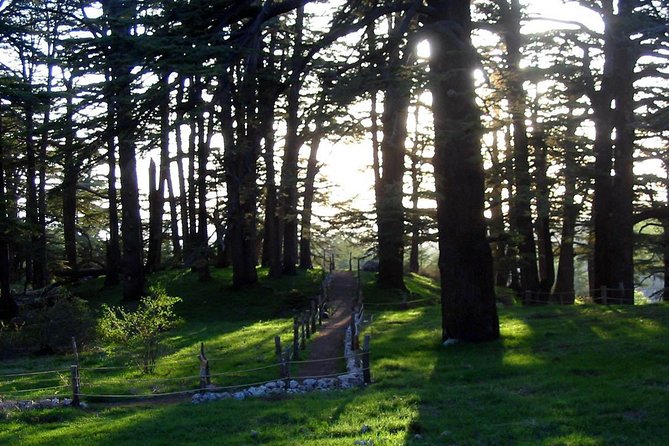
- Ancient Cedars of God: Walk in a protected forest linked to Lebanon’s national symbol, with admission included.
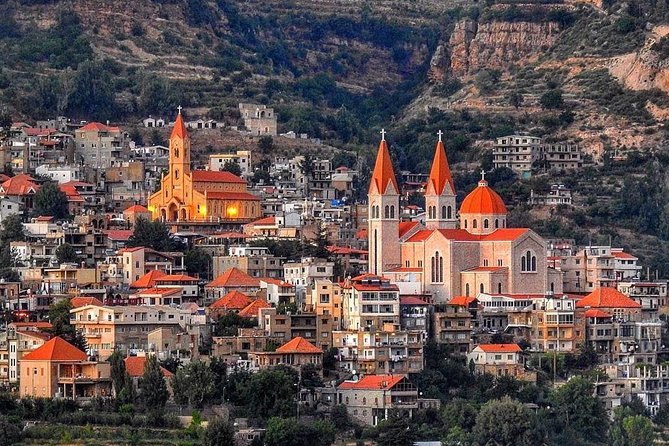
- Gibran Museum in Besharre: See the former monastery gallery dedicated to Gebran Khalil Gebran.
- Qadisha Valley hermitage: Reach a remote sacred valley and a 14th-century monastery that is difficult to visit without private transport.
- Private car and hotel pickup: Your driver and guide collect you at your hotel at 9:00 am.
- Good fit for history and nature fans: The day joins trees, mountain views, art, literature, and religious heritage in one outing.
Leaving Beirut for Lebanon’s cedar country
This tour gives you a clean break from Beirut’s busy streets. At 9:00 am, your driver picks you up at your hotel, and the day turns toward the mountains. The exact timing can range from five to eight hours, so I would keep the rest of your evening open rather than booking a tight dinner or airport transfer.
The private format matters here. Cedars of God, Besharre, and Qadisha Valley are not a neat cluster beside Beirut’s main tourist sights. You need road transport between them, and a private car removes the work of figuring out how to connect remote mountain locations.
You receive both a driver and guide. That combination is useful because the day is not only about looking at scenery through a window. At the cedar forest, you get explanations about Cedrus libani, its place in Lebanese identity, and the myths and beliefs tied to the tree. At the museum and valley, the guide gives the stops a human and historical shape.
The vehicle is air-conditioned, and hotel pickup and drop-off are included. That makes the $113.34 per-person price easier to assess. You are paying for private transportation, guiding, admission fees, and the convenience of a full-day route, not just entry to one attraction. Group discounts are also available, which may improve the value for a family or small party.
Lunch is not included. That is the main cost detail to plan around. The supplied information does not specify a restaurant or meal stop, so ask the provider how the day handles lunch before departure. At minimum, carry water and a snack unless you have confirmed the arrangements.
More Qadisha Valley and Cedars tours:
- Bcharre – Qadisha Valley & Cedars Forest From Beirut
★ 5.0 · 78 reviews - Guided Small-Group Tour to Qadisha, Bcharee & Cedars with Lunch
★ 5.0 · 39 reviews - Cedars of Lebanon, Qozhaya, & Bcharre – With Lunch (4G on Board)
★ 4.5 · 34 reviews
Walking among the Cedars of God
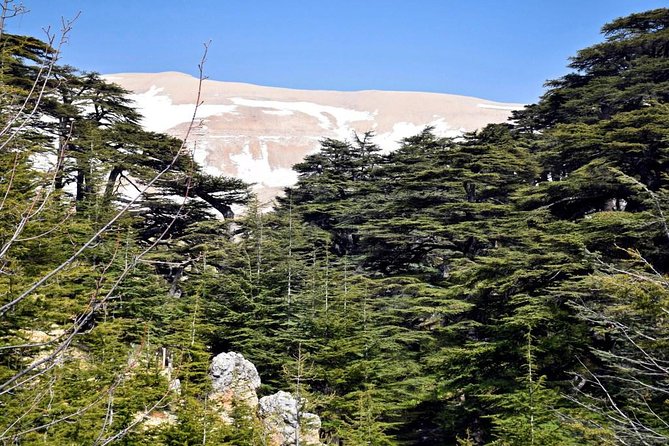
The first stop lasts about an hour and includes admission. The Cedars of God forest is the emotional center of the outing for many people, because the trees connect directly to Lebanon’s name, symbolism, and long story.
The information provided describes a 2,000-year-old cedar tree in the middle of several souvenir kiosks beside the main road. That detail gives you a realistic picture of the arrival. This is not an untouched forest with no signs of modern life. You may see souvenir stalls near the access road, while the protected forest itself offers a quieter walk.
Your guide escorts you through the forest and explains the cedar’s importance. The tree is known as Cedrus libani, or the cedar of Lebanon, and it serves as a national symbol. That context makes the visit stronger than a quick photo stop. You begin to understand why the cedar appears so often in Lebanese identity and public imagery.
Plan for a gentle outdoor walk rather than a museum visit. The stop is only about an hour, so you will not spend an entire morning on forest trails. Still, sensible shoes matter. The information describes a hike, but it does not give a trail length or difficulty rating, so you should ask your guide about current conditions if walking is a concern.
The forest is also a good place to slow down. The rest of the day includes roads, buildings, and a steep valley setting. Here, you can focus on the shape and age of the trees. You might find the souvenir kiosks a little distracting, but they also make it easy to browse for a small cedar-themed memento without adding another stop.
I like that admission is included. You do not need to handle another ticket at the gate, and the guide can use the time for interpretation rather than leaving you to work out the visit alone.
Besharre and the Gibran Museum
From the forest, the tour continues to Besharre, where the Gibran Museum occupies an old monastery converted into a gallery. The museum visit lasts about an hour, with admission included.
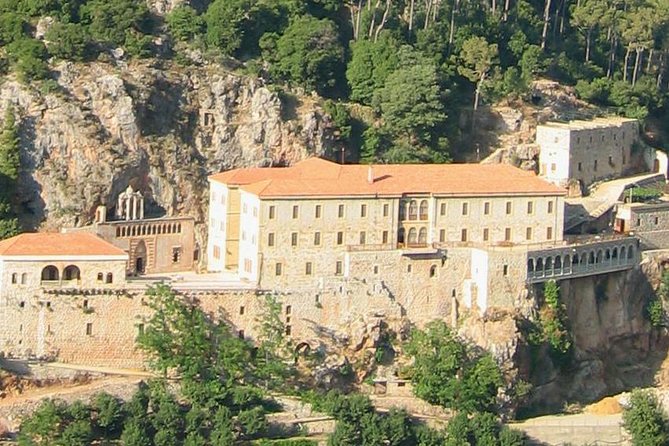
The building itself is part of the appeal. It is described as a humble former monastery partly carved into a large rocky mountain. That setting gives the museum a stronger sense of place than a modern exhibition hall would. You are not simply looking at the work of Gebran Khalil Gebran in a neutral room. You are seeing it in a building tied to the area’s religious and mountain character.
The guide introduces Gebran Khalil Gebran, often called the Prophet because of his famous book. You can learn how many books he wrote, the languages into which his work was translated, and whether his best-known title remains widely read. His paintings are also part of the visit, so the stop covers both his writing and visual art.
I would allow yourself time to look closely rather than treating this as a quick cultural checkbox. The museum is described as a gallery, and the visit is limited to about an hour. That should be enough for an introduction, but not for a long scholarly study of every work.
The museum adds balance to the cedar stop. The forest gives you an ancient natural symbol, while Besharre connects the region to a modern literary and artistic figure. If you enjoy biography, art, or local culture, this is likely to be one of the day’s most rewarding stops.
The wording of the tour information suggests the gallery is modest rather than grand. That can be a benefit if you prefer a focused visit over a huge institution, but you should not expect a major city art museum with endless rooms. The value comes from the connection between Gibran, Besharre, and the mountain setting.
Entering the Sacred Valley
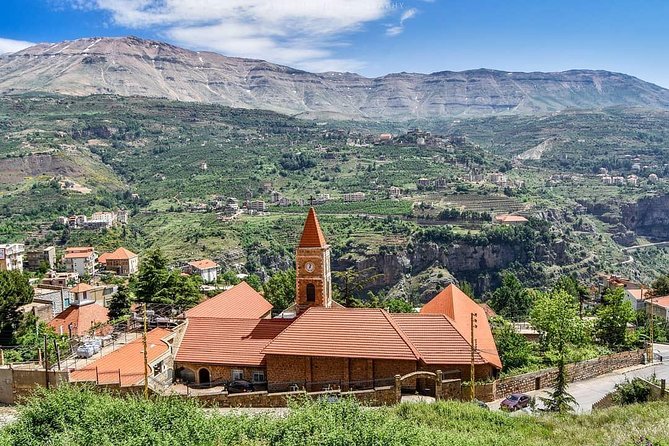
The final major stop is Qadisha Valley, also known as the Sacred Valley. The visit lasts about an hour and has no admission charge.
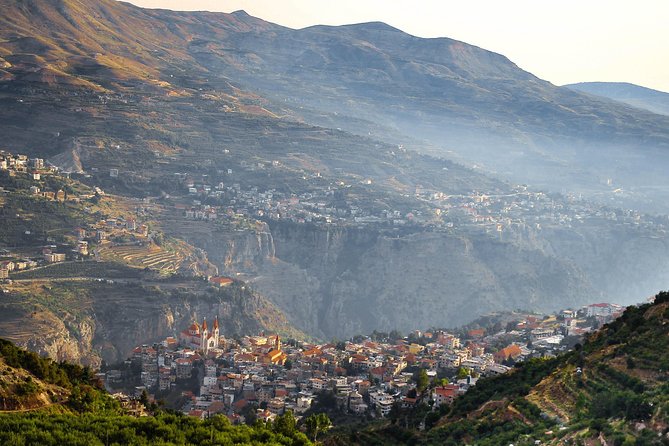
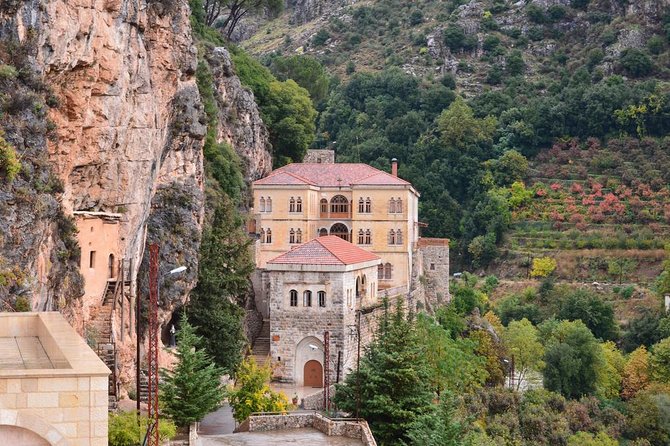
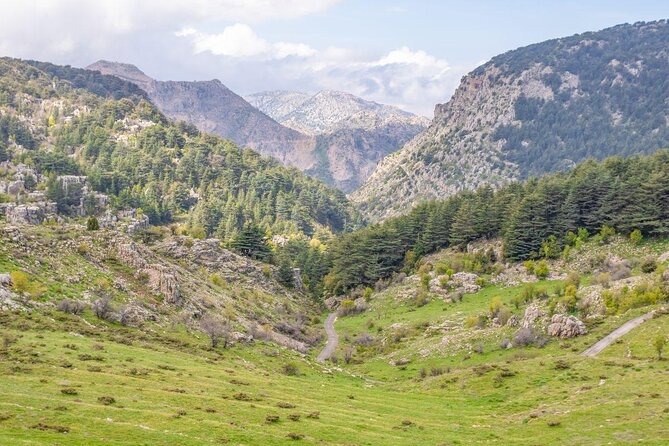
This is where the trip becomes more remote and contemplative. The valley is known for striking mountain views, water cascades in spring, and unusual curved rock forms around the slopes. The description also places a 14th-century hermitage and monastery far down in the valley.
The word quiet matters here. You are asked to observe quietly at the religious site, so this is not a stop for loud conversation, music, or a hurried group photo session. The setting invites a different pace from Beirut and from the roadside cedar area.
The valley’s value is partly visual, but it is also historical. A monastery and hermitage in such a remote setting show how religious communities used the mountain valleys for seclusion. You do not need to invent a dramatic story about the place to appreciate it. The simple fact of reaching a centuries-old religious site deep in a sacred valley is enough.
The tour information does not state the exact distance from the vehicle to the monastery or describe the path. Because of that, you should ask the guide about the walk if you have mobility limits or dislike uneven terrain. The general note says most people can participate, but no detailed accessibility information is provided.
Spring may be the best time for water cascades, since the description specifically mentions them during that season. Conditions can change, so I would treat the cascades as a possible seasonal feature, not a guaranteed show. The mountain views and rock shapes are the more consistent reasons to visit.
Qadisha Valley also explains why private transport is useful. The route reaches remote places that are difficult to connect by ordinary sightseeing arrangements. A private vehicle lets you complete the three-part day without making the valley your own transport project.
More tours and day trips worth a look
- Jeita Grotto,Harissa&Byblos Full-Day PRIVATE-CAR Trip from Beirut
★ 5.0 · 222 reviews - Private Anjar and Baalbek Tour from Beirut with Departure Ticket
★ 5.0 · 79 reviews - Guided Private Full Day Tour to Baalbek, Anjar and Chateau Ksara
★ 5.0 · 60 reviews - Semi-Private Tour to Jeita Grotto, Harissa & Byblos with Lunch
★ 5.0 · 52 reviews
Why the private format changes the day
A coach tour can be cheaper, but this experience is built around a private group. Only your party participates, and the driver and guide stay with you through the route.
That gives you room to ask about the cedar myths, Gibran’s books, or the monastery. It also avoids the common problem of waiting for a large group to finish every photo stop. The private structure is especially useful if your party has a shared interest in literature, religious heritage, or nature.
Still, private does not mean unlimited time. The listed stops are each about an hour, and the total experience is about five to eight hours. You should see the day as a planned introduction to the region, not an open-ended mountain expedition.
The driver’s role is important because the route includes remote locations. A local driver can handle the transport while the guide explains what you are seeing. The one published review describes the organizer as punctual, competent, and friendly, and praises the scenery as magical. Those are encouraging signs, particularly for a day where timing and road travel matter.
The available review information names Zeinab as the person who wrote that positive account, while the provider responded by name only in the supplied material as DAVE LEBANON DMC. No individual guide’s name is provided, so do not assume the same person will lead every departure. If having a particular guide matters to you, ask before booking.
Is $113.34 per person good value?
At $113.34 per person, this is not a bargain-priced city walk. It can be fair value if you want a private vehicle and guide for a mountain route that would be awkward to organize alone.
The price includes hotel pickup and drop-off, an air-conditioned vehicle, the driver and guide, entrance fees, and taxes. You are also paying for the ability to visit three distinct areas in one day. The Cedars of God and Gibran Museum have admission included, while Qadisha Valley is free.
The value depends on the size of your party and how much you value privacy. A solo guest pays the full per-person rate, while a small group may benefit from the listed group discounts. Since lunch is excluded, add money for food unless you have arranged otherwise.
I would compare this price with the practical alternative, not only with the cost of entrance tickets. Public transport or separate taxis could take more time and require more planning, especially for the valley and monastery. If you are comfortable arranging every transfer yourself, you may find a lower-cost route. If you want one coordinated day from your hotel, the private setup has a clear advantage.
The tour also saves you from renting a car, dealing with unfamiliar roads, and deciding how to connect Besharre with the valley. That convenience is the main reason the price may make sense.
Timing, walking, and what to bring
The start time is 9:00 am. Since the tour runs about five to eight hours, the return time can vary. Road conditions, time spent at each stop, and the pace of your group may affect the schedule.
Wear shoes suited to a forest walk and mountain paths. The supplied details confirm a hike at the cedars and a remote valley site, but they do not provide exact trail conditions. If you need a very easy route, ask about the walking sections before you confirm.
Bring water, sun protection, and a light layer. These are practical suggestions for an outdoor mountain day, not promises about weather or facilities. Lunch is not included, so confirm where you can eat or pack something suitable.
At Qadisha Valley, dress and behave with respect around the monastery and hermitage. The instruction to observe quietly is simple and important. You can take in the place without treating it like a noisy roadside attraction.
Children can participate if accompanied by an adult. The information says most people can take part, but it does not promise full accessibility for every walking need. Families should ask about the route and terrain before booking for a child who may struggle with hiking.
Free cancellation is available when you cancel at least 24 hours before the start time. Changes or cancellations inside that window are not accepted for a refund, and confirmation is subject to availability if you book within 12 hours of departure.
Who should book this mountain day?
I would recommend this trip to you if you want to combine nature, art, literature, and religious heritage without building a complex route from Beirut. It is also a strong choice if you value front-door pickup and prefer your own vehicle to a large shared group.
History and culture fans will appreciate the range. You move from ancient cedar trees to Gebran Khalil Gebran’s art and writing, then into a sacred valley with a 14th-century monastery. Nature lovers get forest walking, mountain views, rock formations, and possible spring cascades.
The trip may be less suitable if you want a relaxed day with long stops. Each named visit lasts about an hour, and the route covers several places. It is also not ideal if you want lunch included or need detailed accessibility arrangements in advance.
The experience received a top rating from the small amount of published feedback, with particular praise for punctuality, competence, friendliness, and the scenery. That is a useful sign, but the sample is limited. I would still confirm pickup details, lunch plans, walking conditions, and the expected return time before you go.
Should you book the Cedars, Besharre, and Qadisha tour?
Book it if you want the efficient, private way to reach Lebanon’s cedar country and the remote Qadisha Valley from Beirut. The best reason to choose it is not one isolated sight. It is the combination of a protected cedar forest, a personal museum in Besharre, and a quiet mountain monastery, all handled by one driver and guide.
Skip it if your priority is the lowest possible price, a guaranteed meal, or a slow schedule with extensive time at each stop. For everyone else, the private format, included transfers, and access to difficult-to-reach places make this a strong mountain excursion, provided you are ready for a long day and some walking.
FAQ
What time does the tour start?
The tour starts at 9:00 am.
Is hotel pickup included?
Yes. Round-trip hotel pickup and drop-off are included.
Is this a private tour?
Yes. Only your group participates, and the tour includes a private vehicle with a driver and guide.
What attractions are included?
The tour visits the Cedars of God, the Gibran Museum in Besharre, and Qadisha Valley, including its 14th-century hermitage and monastery area.
Are entrance fees included?
Admission to the Cedars of God and the Gibran Museum is included. Qadisha Valley has no admission fee.
Is lunch included?
No. Lunch is not included in the tour price.
What is the cancellation policy?
You can cancel up to 24 hours before the experience begins for a full refund. Cancellations or changes made less than 24 hours before the start time are not accepted for a refund.
Just added around Beirut
- Private Full-Day Tour to Jeita Grotto, Harissa and Saint Charbel from Beirut★ 5.0 · 3 reviews
- Beirut to Jeita Grotto and Byblos: Daily Tours with Lunch★ 5.0 · 3 reviews
- PRIVATE city tour of Old Sidon & Historic Tyre★ 5.0 · 3 reviews
- Journey Through Time: Half-Day Private Tour to Baalbek★ 5.0 · 3 reviews
- Small-Group Tour to Sidon, Tyre and Maghdouche with Lunch and Tickets★ 4.5 · 3 reviews
- Beirut to Sidon, Tyre and Maghdouché: Daily Tours with Lunch★ 5.0 · 3 reviews
- Hike Chouwen★ 5.0 · 3 reviews
- Private Full-Day Tour to Byblos and Tripoli from Beirut★ 5.0 · 3 reviews
Qadisha Valley & Cedars Tours, compared.
Bcharre – Qadisha Valley & Cedars Forest From Beirut
Read our review →
Guided Small-Group Tour to Qadisha, Bcharee & Cedars with Lunch
Read our review →Cedars of Lebanon, Qozhaya, & Bcharre – With Lunch (4G on Board)
Read our review →
Cedars Shouf & Beiteddine w/pick-up, guide, entries+lunch
Read our review →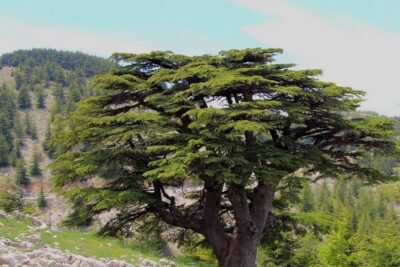
Guided small group to Cedars Reserve & Beiteddine w/lunch+entries
Read our review →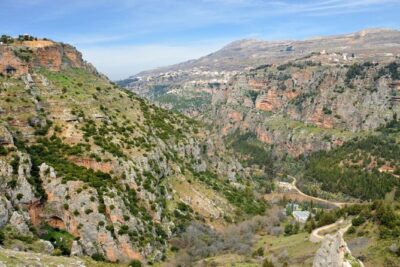
Small-Group Tour with Lunch to Qadisha Valley, Bcharre and Cedars
Read our review →
Guided Full-Day Private Trip to Cedars, Baalbek and Chateau Ksara
Read our review →Browse the lists this tour appears in