
Review · JEITA GROTTO TOURS
From Beirut: Jeita Grotto, Harissa & Byblos Private Day Tour
Lebanon packs a lot into one day. This private outing links Jeita Grotto, Harissa, and Byblos with an air-conditioned SUV, hotel pickup, and a guide who can adjust the route around your interests. I like the easy door-to-door transport and the freedom to focus on ancient sites, religious landmarks, seaside towns, or all three. The main catch is simple: the expanded route includes enough stops for two busy days, so you need to agree on priorities before setting off.
I also like the personal touch from Joseph, usually called Joe, whose friendly manner and practical help have earned especially strong praise. He has helped visitors with food choices, local questions, and small travel problems, not just historical facts. If you want a slow day with long café breaks, though, this may feel rushed unless you choose the shorter Iconic Trio route.
In This Review
- Five things to know before you book
- A private SUV makes North Lebanon easier
- Nahr el-Kalb begins the history lesson
- Jeita Grotto delivers the day’s natural wonder
- Saint Charbel adds a mountain and spiritual turn
- Byblos rewards a proper walking tour
- The extended coast reaches Mseilha and Batroun
- Harissa is the best final viewpoint
- Four route choices, each with a different purpose
- What Joe adds to the day
- Who will get the best value?
- Should you book it?
- FAQ
- Where does pickup take place?
- How long does the tour last?
- What vehicle is used?
- Is the tour private?
- Are attraction tickets included?
- Is lunch included?
- Can I visit Batroun on this tour?
- Can I visit Saint Charbel’s sites?
- Is the tour suitable for wheelchair users?
Five things to know before you book
- Jeita Grotto has two very different cave experiences: The upper caverns are explored on foot, while the lower section is reached by a short boat ride when operating.
- The route can change around your interests: You can add Batroun, wineries, beach time, museums, or Saint Charbel sites, then skip places that matter less to you.
- Joe is a major part of the experience: His calm driving, clear explanations, and willingness to help with practical matters receive consistent praise.
- The full coastal version is ambitious: Mseilha Fort, Nabu Museum, Our Lady of Noorieh, and Batroun add real interest, but they require tighter timing.
- Harissa’s cable car costs extra: You can reach Our Lady of Lebanon by car, or pay separately for the Teleferique ride.
- This is best for active sightseers: Expect uneven ground, stairs, walking through old quarters, and limited suitability for anyone using a wheelchair.
A private SUV makes North Lebanon easier

Your day begins with pickup in Beirut, Dbaye, Jounieh, or Beit Meri, usually between 8 and 9 in the morning. The vehicle is a black Jetour X70 Plus with air conditioning, onboard Wi-Fi, and the Discover Lebanon Tours logo on the dashboard. The company sends the driver’s name, photograph, plate number, and exact pickup time by WhatsApp the evening before.
That detail matters in Beirut, where a morning delay of 10 to 15 minutes is possible. Wait in your hotel lobby or outside your building entrance, and contact the company at once if you are running late.
The SUV suits one to five people, although the advertised price is $200 per group up to one person. Check the current rate for a larger party before booking. For a solo visitor, the price is high compared with a shared outing, but you are paying for a private vehicle, a full day, fuel, parking, tolls, Wi-Fi, and a route built around your wishes.
You also receive bottled water, a local snack, Lebanese coffee, and a written brochure with a map and background information. Meals and admission tickets are separate. That last point is important because Jeita Grotto, Byblos Castle, Nabu Museum, and the Harissa cable car can all add to the final cost.
More Jeita Grotto tours:
- Guided Small-Group Tour to Jeita, Harissa, Byblos with Lunch
★ 5.0 · 361 reviews - Jeita Grotto,Harissa&Byblos Full-Day PRIVATE-CAR Trip from Beirut
★ 5.0 · 222 reviews - Jeita Grotto – Harissa – Byblos Trip
★ 5.0 · 169 reviews
Nahr el-Kalb begins the history lesson
The first sightseeing stop is the Stelae of the Nahr el-Kalb, or Lycus River. You get around 15 minutes for photographs and a guided look at the inscriptions. The site is on UNESCO’s Tentative List, and it gives you a quick introduction to Lebanon’s long record of armies, rulers, and public events passing through this corridor.
This is a short stop, not a full archaeological visit. I see it as a useful opening because Joe can explain what you are looking at before the day moves to larger attractions. Bring your camera, but do not expect a long walk or a museum-style presentation.
Jeita Grotto delivers the day’s natural wonder
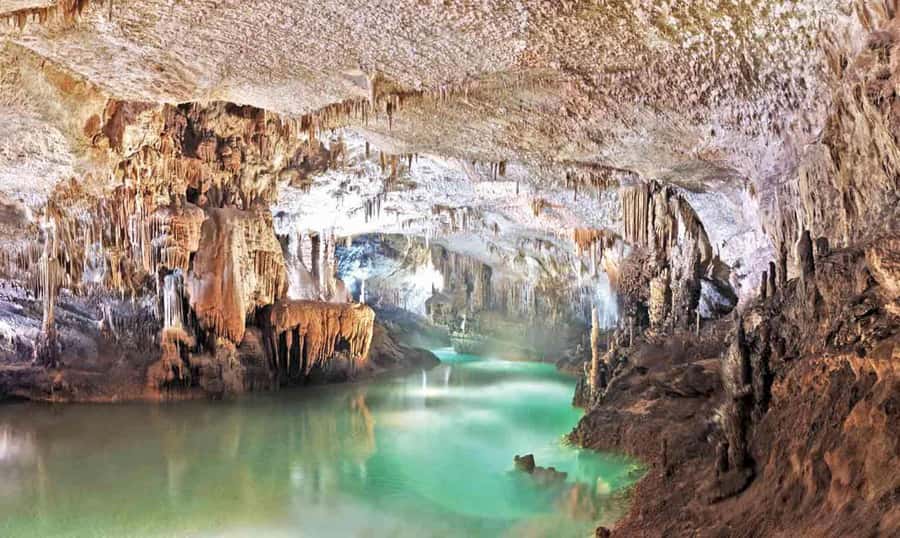
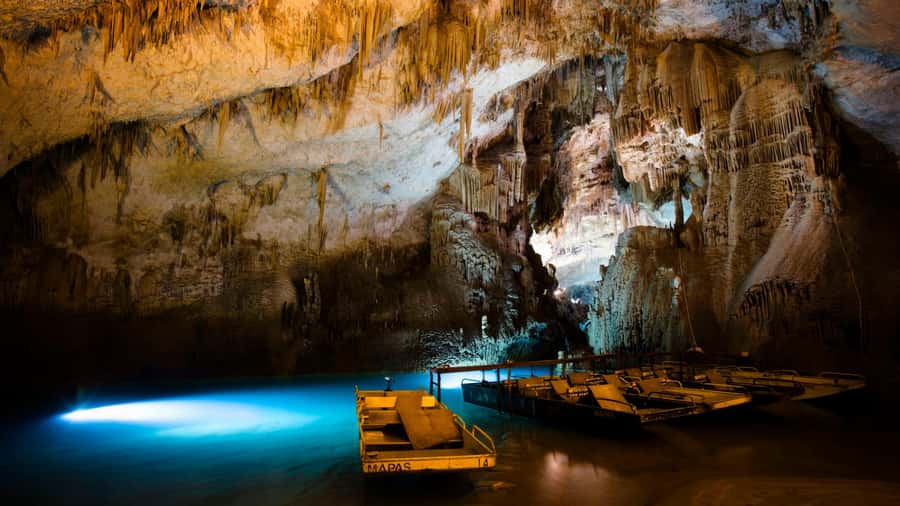
Jeita Grotto is the tour’s most unusual stop. You spend about 70 minutes around the upper and lower limestone caves, where stalactites, stalagmites, and underground water create an almost theatrical setting.
The upper cave is the part you explore on foot. The lower cave traditionally includes a short boat ride on the underground river, although conditions and operations can affect what is available. Admission is not included, so ask Joe about the current ticket process and which parts are open that day.
Jeita is not a place for flip-flops. Wear shoes with a firm sole, and keep your phone ready for photographs where photography is permitted. The caves are cool compared with the summer heat outside, but the route can include walking and steps.
The 70-minute allocation gives you a good taste, but it is not an unhurried visit. If Jeita is your main reason for booking, tell Joe at the start that you want to protect this time. If you are more interested in Byblos or Batroun, you can keep the stop shorter.
Saint Charbel adds a mountain and spiritual turn
One version of the day continues inland to Annaya, where you visit the Monastery of Saint Maroun and the Hermitage of Saint Charbel. Each stop is listed at about 20 minutes, with scenic views along the way.
Saint Charbel is one of Lebanon’s most revered religious figures, so this section has a different mood from the caves and coastal ruins. You get a glimpse of an active place of prayer and pilgrimage, rather than simply another historic building. Modest clothing is sensible, with shoulders and knees covered at religious sites.
The drawback is geography. Adding Annaya after Jeita and before Byblos uses time that could otherwise go toward Batroun, lunch, or a slower old-town walk. Choose this option if the spiritual side of Lebanon matters to you. If not, ask for more time in Byblos instead.
More Harissa tours:
- Byblos, Jeita Grotto & Harissa Day Trip -With Lunch (4G on Board)
★ 4.5 · 145 reviews - Semi-Private Tour to Jeita Grotto, Harissa & Byblos with Lunch
★ 5.0 · 52 reviews - Small Group Tour to Jeita Grotto, Harisa & Byblos with Hotel pickup
★ 5.0 · 49 reviews - Private Guided Tour to Jeita Grotto through Harissa and Byblos
★ 5.0 · 48 reviews
Byblos rewards a proper walking tour
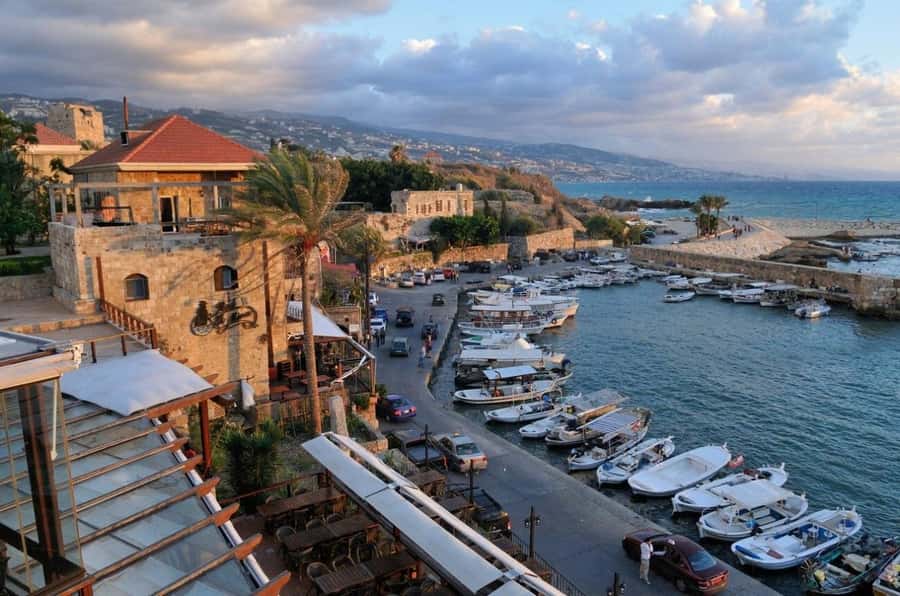
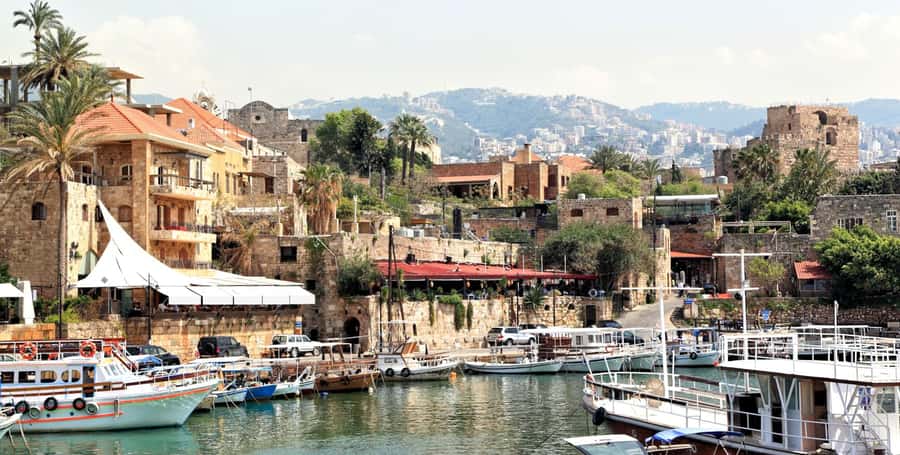
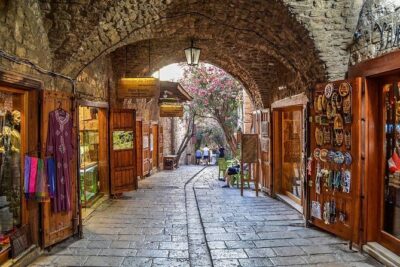
Byblos is the strongest all-round stop on the route. The town combines an old harbor, Crusader-era fortifications, ancient ruins, churches, a mosque, small shops, and a working coastal setting. You have roughly two and a half hours here, including lunch and free time.
Start near the fishing port and dock for photographs, then walk toward the Byblos Citadel and the ancient site. The citadel area gives you the clearest sense of the town’s layered past, while the Roman theater and royal palace area show how much remains packed into a small zone.
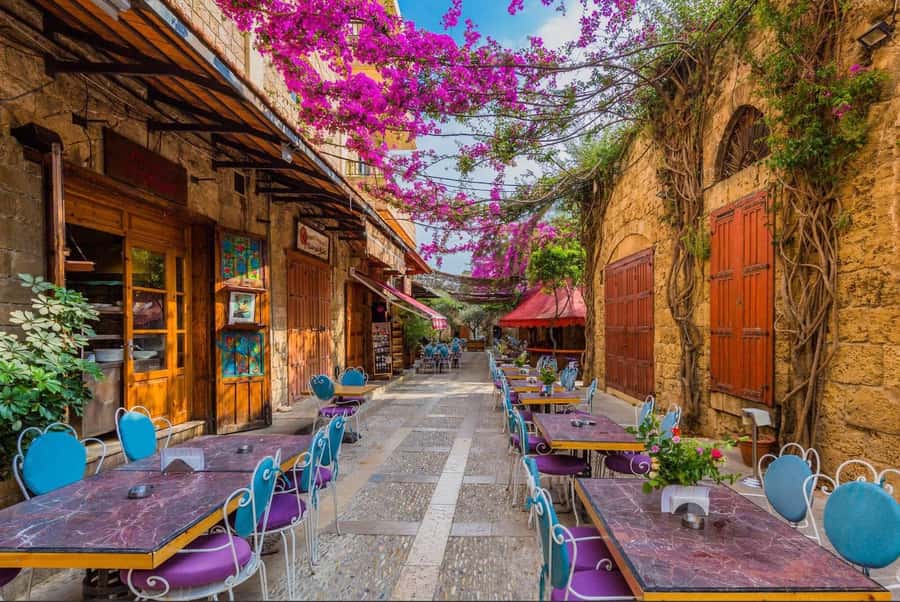
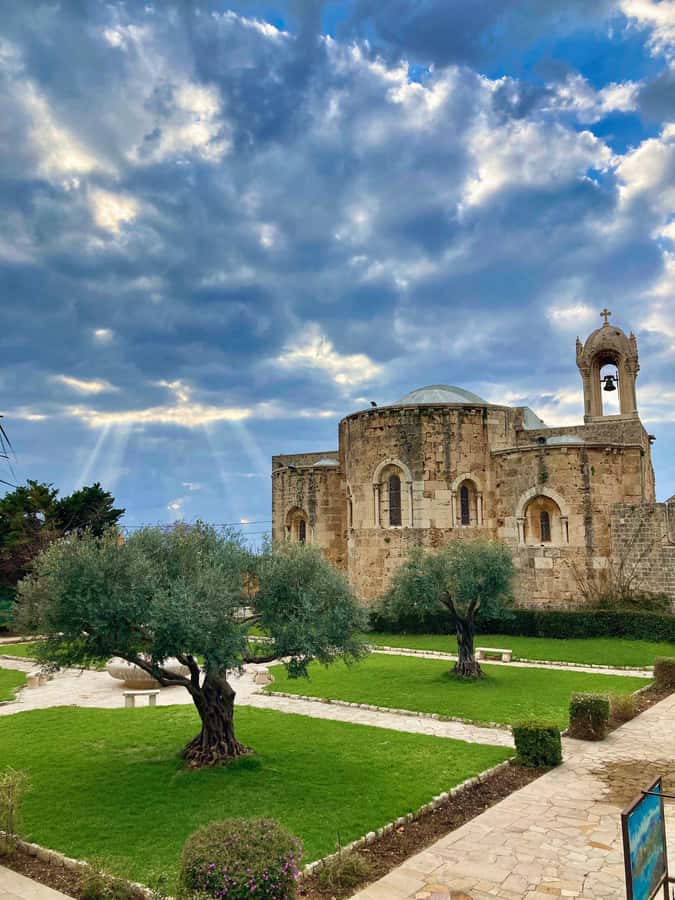
The walking portion also includes the Old Souq, Saint John Marc Church, Sultan Abdul Majid Mosque, and several smaller historic corners. This mixture is part of Byblos’s appeal. You are not confined to one fenced ruin. You move through a living town where religious buildings, shops, cafés, and archaeological remains sit close together.
The Memory of Time Fossil Museum is included, with a short guided presentation. It adds a local natural-history angle that many quick visits would miss. The Armenian Genocide Orphans’ Aram Bezikian Museum is also passed on foot, though the listed timing does not suggest a long indoor visit.
A 50-minute lunch break is included in the schedule, but the meal itself is not. Joe can arrange a local restaurant or help you choose a place. I would ask him early in the day whether you want seafood, a quick Lebanese meal, or more time for shopping.
Do not expect to enter every building listed in the route. Some sites are viewed from outside, and the schedule gives only short photo stops at several of them. That is fine for a first look, but history fans should ask for fewer locations and more time inside the places they care about.
The extended coast reaches Mseilha and Batroun
The coastal version heads farther north after Byblos. Mseilha Fort receives about 15 minutes, enough for photographs and a quick look at its dramatic position near the road. The stop is brief, so treat it as a scenic pause rather than a full fort visit.
The Nabu Museum gets around 30 minutes. It focuses on modern art and is available when open. This works best for people who want something beyond ruins and churches, but it is an optional stop and should be confirmed ahead of time.
Our Lady of Noorieh Monastery is another short visit, with 20 minutes for the site and views from its cliffside setting. It adds a peaceful, elevated coastal stop, but again, the timing is tight if you also want a full Batroun walk.
Batroun receives about 75 minutes, making it the most substantial stop on the extended coast. You can walk through the Old Souk, visit St. Stephen Cathedral, see the port, and pass Orthodox and seaside churches. The Phoenician wall, the Lebanese Diaspora Village, and the statue of the sponge diver add more small landmarks to the walk.
Hilmi’s House of Lemonade receives a short photo stop, as does the Church of Our Lady of the Sea. The route can also include seaside cafés, a swim stop, and a winery visit in the Batroun area by request. These extras are appealing, but you cannot realistically linger at every church, museum, café, fort, and winery in one day.
I would choose two priorities. For example, select Batroun’s old center and a winery, or choose Mseilha and Nabu Museum. Trying to collect every stop may leave you seeing Lebanon through a car window.
Harissa is the best final viewpoint
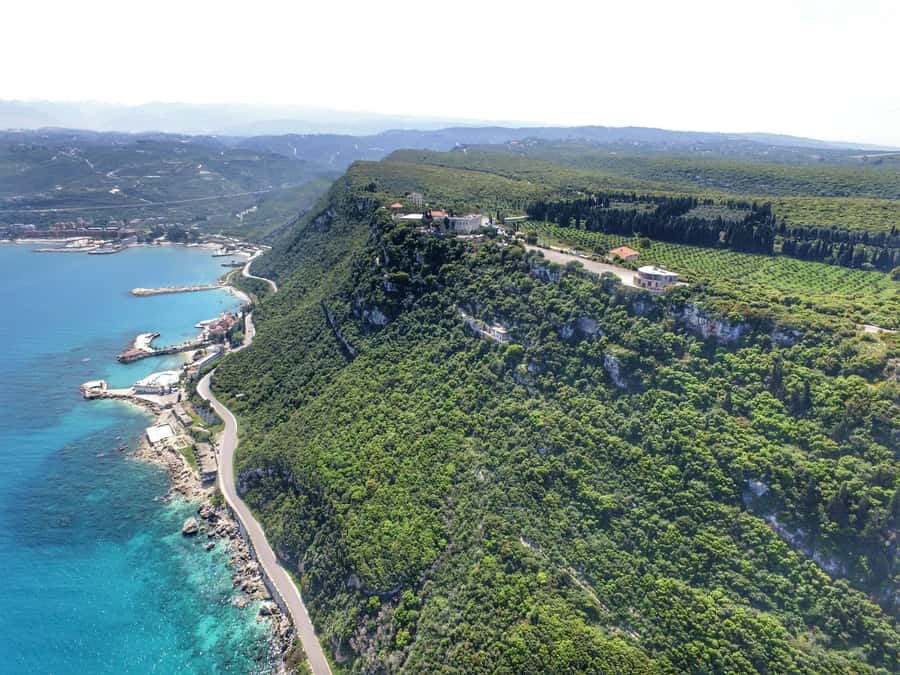
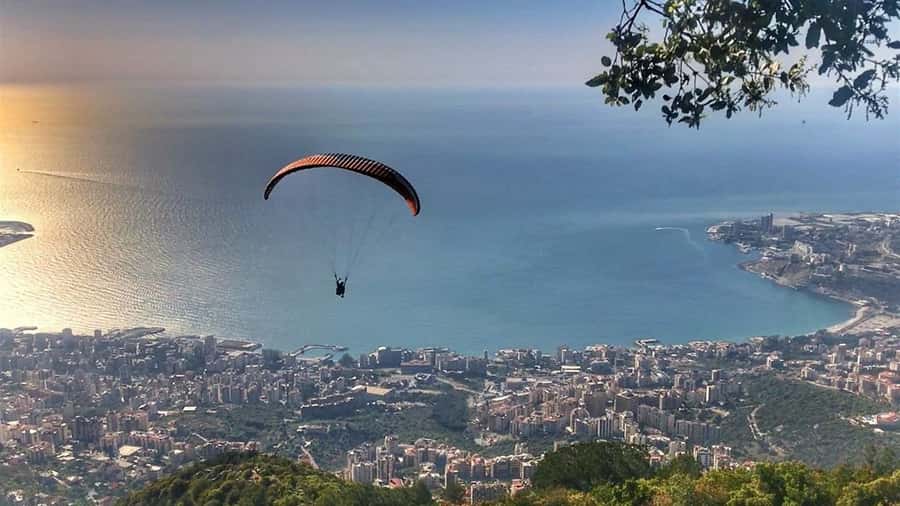
The day ends at Harissa, home of Our Lady of Lebanon. The statue looks over Jounieh Bay, and the late-day timing can bring softer light and a memorable view as the town lights begin to appear.
The Teleferique du Liban cable car is optional and not included. You may instead reach the shrine by car, which is included in the private route. The cable car adds a more memorable approach, but budget extra money and time for it.
The Harissa stop is scheduled for about an hour, including sightseeing and possible shopping. It is also one of the easiest places to appreciate the scale of the coast. Bring a light jacket outside the hottest months, since the hill can feel cooler than Beirut.
The final drive back takes about 40 minutes, with drop-off in Jounieh, Beirut, Beit Meri, or Dbaye. After a full day, that return is another reason to value a private vehicle rather than dealing with several separate rides.
Four route choices, each with a different purpose
The Iconic Trio is the cleanest plan: Jeita Grotto, Harissa, and Byblos. Choose it if this is your first day outside Beirut and you want the three headline sights without pushing farther north.
The Coastal Gems option adds Noorieh and Batroun. It suits you if seaside towns, churches, cafés, and modern art sound more appealing than extra time at the Annaya monasteries.
The Saint Charbel Trail swaps some coastal sightseeing for Annaya’s religious sites. This is the right fit for a pilgrimage-focused day or anyone especially interested in Lebanon’s Christian heritage.
The Lebanon Freedom route leaves out Jeita and gives more room to Harissa, Byblos, and Batroun. I would choose this if you have already seen Jeita, dislike tight schedules, or prefer lunch and cafés to cave sightseeing.
The company also allows you to mix these plans. That flexibility is the tour’s most useful feature, but only if you use it before departure. Tell Joe your top two or three goals rather than asking to see everything.
What Joe adds to the day
Joseph, or Joe, is repeatedly praised for being warm, punctual, reliable, and helpful. He is described as a strong source of local information, but the practical side matters just as much. He can help with restaurant choices, answer questions about Lebanon, and adjust the day when your interests change.
That makes a difference on a private tour. A fixed group itinerary has to keep everyone moving. Here, you can ask for a longer walk in Byblos, a shorter museum stop, a lunch suggestion, or a different balance between sacred sites and the coast.
Joe speaks English, French, and Arabic. If you need an infant seat, request one at least 24 hours ahead. The vehicle does not allow smoking, and food and drinks need to be handled carefully inside.
Who will get the best value?
I recommend this tour for solo visitors, couples, families, and small groups who want to cover several parts of Mount Lebanon without arranging separate transport. It is especially useful on a first visit, when a local guide can put the sites into context and keep the day practical.
The $200 price makes the most sense when shared by several people, provided the current group pricing allows it. For one person, it is a premium day, but the private SUV, pickup, Wi-Fi, flexible routing, and personal guide make it easier to justify than a simple car transfer.
This is not ideal if you use a wheelchair or have difficulty with uneven archaeological ground. You should also be comfortable with a long day of driving and walking. Bring comfortable shoes, modest clothing, sunscreen, a hat, a charged phone, personal medication, and a passport or ID card.
Free cancellation is available up to 24 hours before departure, and you can reserve without paying immediately. Those terms help if your Lebanon plans are still changing.
Should you book it?
Book this tour if you want a flexible first look at Jeita, Byblos, Harissa, and the northern coast, and if you value a helpful driver-guide more than a rigid, low-cost group schedule. Joe’s friendly approach and the comfortable SUV are genuine strengths.
Before you pay, decide on your version of the day. For a balanced first outing, I would choose Jeita, Byblos, and Harissa. Add Batroun only if you are willing to shorten other stops, and choose Saint Charbel or the coastal museums only when they match your main interests. That small bit of planning will turn an overstuffed route into a rewarding day.
FAQ
Where does pickup take place?
Pickup is available from Beirut, Dbaye, Jounieh, and Beit Meri. Hotel guests should wait in the lobby, while people staying in private residences or apartments should wait outside the main entrance.
How long does the tour last?
The experience lasts about 9 to 10 hours. The exact start time is confirmed by WhatsApp the evening before, usually for a pickup between 8 and 9 in the morning.
What vehicle is used?
The tour uses a black, air-conditioned Jetour X70 Plus SUV. It can carry one to five guests and includes complimentary Wi-Fi.
Is the tour private?
Yes. You travel with your own group and an English-speaking driver-guide. Arabic and French are also available.
Are attraction tickets included?
No. Entrance tickets for places such as Jeita Grotto, Byblos Castle, and the Nabu Museum are not included. The Harissa cable car also costs extra.
Is lunch included?
No. Lunch is not included, but a restaurant reservation can be arranged upon request. The schedule allows about 50 minutes for the meal.
Can I visit Batroun on this tour?
Yes. Batroun can be added through the extended coastal route, which may also include Mseilha Fort, Nabu Museum, Our Lady of Noorieh Monastery, the old souk, the port, and the Phoenician wall.
Can I visit Saint Charbel’s sites?
Yes. The Annaya option includes the Monastery of Saint Maroun and the Hermitage of Saint Charbel. These stops can be included as part of a spiritual route.
Is the tour suitable for wheelchair users?
No. The experience is not recommended for wheelchair users because archaeological areas and old quarters include uneven terrain. Comfortable walking shoes are advised.
More Byblos Tours
- New Guided Semi-Private Tour to Jeita Grotto, Harissa & Byblos
★ 5.0 · 47 reviews - Jeita Grotto – Harissa – Byblos Tour (All Inclusive)
★ 4.5 · 27 reviews - Lebanon Tour Jeita-Harissa & Byblos w/pickup,lunch,entries +guide
★ 5.0 · 27 reviews - Beirut: Jeita Grotto, Harissa, Byblos group tour & Guide
★ 5.0 · 27 reviews
Just added around Lebanon
- Private Full-Day Tour to Jeita Grotto, Harissa and Saint Charbel from Beirut★ 5.0 · 3 reviews
- Beirut to Jeita Grotto and Byblos: Daily Tours with Lunch★ 5.0 · 3 reviews
- PRIVATE city tour of Old Sidon & Historic Tyre★ 5.0 · 3 reviews
- Journey Through Time: Half-Day Private Tour to Baalbek★ 5.0 · 3 reviews
- Small-Group Tour to Sidon, Tyre and Maghdouche with Lunch and Tickets★ 4.5 · 3 reviews
- Hike Chouwen★ 5.0 · 3 reviews
- Beirut to Sidon, Tyre and Maghdouché: Daily Tours with Lunch★ 5.0 · 3 reviews
- Private Full-Day Tour to Byblos and Tripoli from Beirut★ 5.0 · 3 reviews
Jeita Grotto Tours, compared.
Guided Small-Group Tour to Jeita, Harissa, Byblos with Lunch
Read our review →
Jeita Grotto,Harissa&Byblos Full-Day PRIVATE-CAR Trip from Beirut
Read our review →
Byblos, Jeita Grotto & Harissa Day Trip -With Lunch (4G on Board)
Read our review →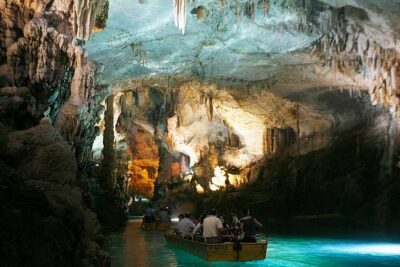
Semi-Private Tour to Jeita Grotto, Harissa & Byblos with Lunch
Read our review →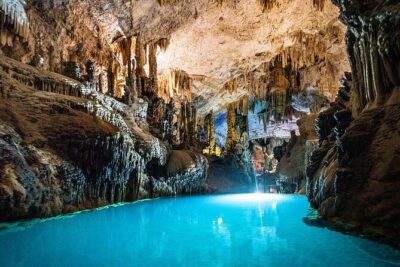
Small Group Tour to Jeita Grotto, Harisa & Byblos with Hotel pickup
Read our review →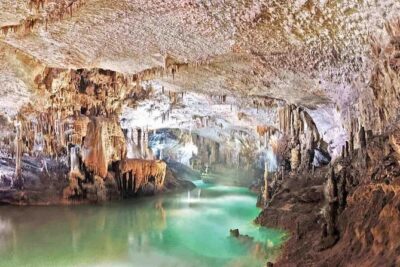
Private Guided Tour to Jeita Grotto through Harissa and Byblos
Read our review →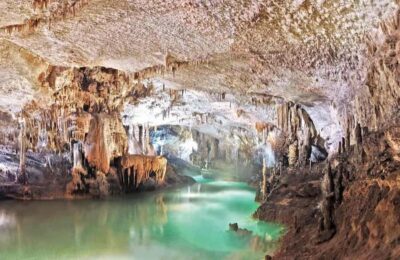
Jeita Grotto, Harissa, Byblos group tour & Guide
Read our review →Browse the lists this tour appears in