

Review · JEITA GROTTO TOURS
New Guided Semi-Private Tour to Jeita Grotto, Harissa & Byblos
Jeita’s caves make a strong first impression. I like the way this small-group tour joins three very different sights in one day: the underground chambers at Jeita, the mountain views from Harissa, and the old port and castle at Byblos. I also like the hotel pickup, air-conditioned transport, and the chance to leave the planning to an English-speaking guide. The main consideration is the pace, since eight to nine hours covers a lot of ground and several admission fees may cost extra.
The guides are a major part of the experience. Ali and Harake are repeatedly praised for being friendly, patient, helpful, and good at managing the day. I especially like that one guest reported the company operated the tour even when only one person had booked. Still, confirm exactly what your $55 includes, since the entrance-fee and lunch options are not automatically clear from the tour details.
In This Review
- Key points at a glance
- Why this day trip works from Beirut
- Jeita Grotto: the day’s essential stop
- Harissa and the view over Jounieh Bay
- Byblos Port and its ancient setting
- Byblos Castle and the old souk
- Lunch by the Byblos waterfront
- Guides, vehicles, and group size
- Is $55 good value?
- Timing, booking, and who should choose it
- Should you book the Jeita, Harissa, and Byblos tour?
- FAQ
- How long does the tour last?
- Is hotel pickup included?
- Are entrance fees included in the $55 price?
- Is lunch included?
- What happens if the Harissa cable car is closed?
- What is the maximum group size?
Key points at a glance
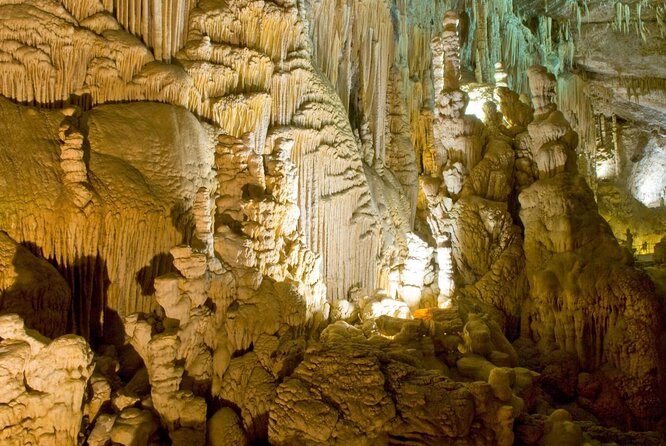
- Jeita Grotto comes first: Allow about 1 hour and 15 minutes for the cave complex, including the cable car, mini-train, and underground boat when operating.
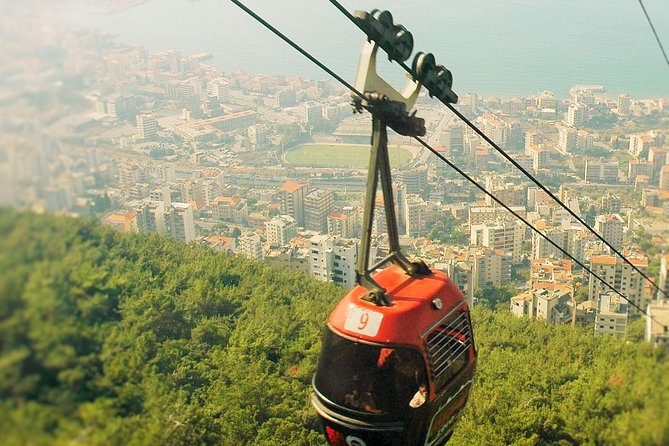
- Harissa delivers the big view: The Virgin Mary statue looks over Jounieh Bay, with a cable-car ride down toward Jounieh if the Téléferique is open.
- Byblos mixes archaeology and daily life: You walk beside the marina, see the Crusader castle, and browse the old souk.
- The $55 price is a useful starting point: Hotel pickup, transport, a guide, and drop-off are included, but some entrance tickets and lunch may be optional.
- The group is capped at 15: That is more personal than a large coach tour, though the vehicle and exact group size can vary.
- Ali and Harake earn strong praise: Their patience, timing, local explanations, and willingness to stop for photos are among the tour’s best features.
Why this day trip works from Beirut
This outing is built for you if Beirut is your base and you want to see several of Lebanon’s major sights without arranging separate taxis, tickets, and routes. The full day begins with hotel pickup around 8:15 to 8:30 in the morning and returns you to your location in Beirut after lunch.
The route has a sensible shape. You start inland at Jeita, climb into the mountains for Harissa, then head north to Byblos before returning to Beirut. That means you get caves, a religious landmark, coastal views, ancient ruins, shops, and Lebanese food in one outing.
I like this mix because the stops do not feel repetitive. Jeita is about natural formations and underground space. Harissa is about the view and the statue. Byblos gives you history you can walk through, along with a port and souk that still feel connected to everyday life.
The tradeoff is time. This is not a slow archaeological study or a relaxed seaside day. You will spend much of the day moving between sites, and Byblos in particular deserves more time than the scheduled stops may allow. If you want to linger over every ruin or shop, a private full-day arrangement would give you more control.
More Jeita Grotto tours:
- Guided Small-Group Tour to Jeita, Harissa, Byblos with Lunch
★ 5.0 · 361 reviews - Jeita Grotto,Harissa&Byblos Full-Day PRIVATE-CAR Trip from Beirut
★ 5.0 · 222 reviews - Jeita Grotto – Harissa – Byblos Trip
★ 5.0 · 169 reviews
Jeita Grotto: the day’s essential stop
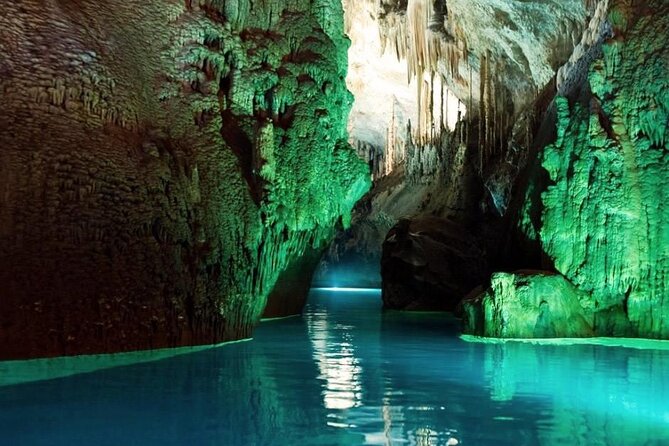
Jeita Grotto is the clear centerpiece. The site consists of two separate but connected limestone cave levels, with an overall length of nearly 10 kilometers. You do not walk all of that distance, but the scale helps explain why the visit feels much bigger than a quick cave stop.
The visit is planned for about 1 hour and 15 minutes. The experience can include three different ways to see the site: a cable car, a mini-train, and a boat ride inside the lower cave. Each adds something different. The cable car gives you a sense of the wooded mountain setting, the train helps move you around the grounds, and the boat lets you see the cave from below in a quiet, enclosed setting.
Inside, your guide can point out shapes and formations you might otherwise pass without noticing. One particularly positive account praised Harake for giving detailed explanations in the grotto, helping the group see features that could easily be missed. That is valuable here because the attraction is not only about looking at rock formations. A good explanation turns odd shapes and shadows into a clearer story about the cave.
You should note several practical limits. Admission is not included in the basic price unless you select the option covering all entrance fees. Photography rules and operating conditions can affect what you do inside, so follow the instructions given at the site. The boat and cable car may also depend on opening conditions. The tour provides a vehicle backup if the Harissa cable car is closed, but the details for every Jeita operation are not specified.
Jeita is also a poor place for rushing. The allotted time is enough for a focused visit, but not for wandering without a plan. Stay close to your guide, keep track of meeting times, and wear shoes suitable for walking around a large visitor site.
Harissa and the view over Jounieh Bay
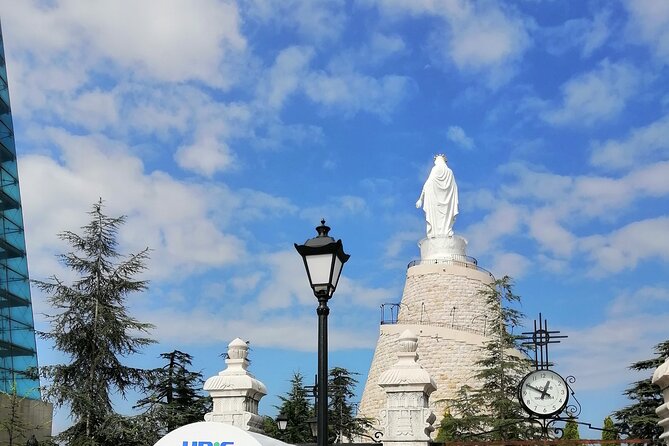
After Jeita, the vehicle climbs toward Harissa. The main stop is the Shrine of Our Lady of Lebanon, marked by the tall Virgin Mary statue. The visit lasts about 30 minutes and has no admission charge.
The statue matters for both religious and visual reasons. From this mountain position, you can look across Jounieh Bay and the surrounding scenery. The views are one of the day’s best changes of pace after the dark interior of the grotto. Several accounts single out the coastline from the mountain as spectacular, and you should have time for photographs if the weather is clear.
I would treat this as a viewpoint and short cultural stop rather than a long shrine visit. Thirty minutes is enough to see the statue, take in the view, and hear an explanation. It is not enough for a leisurely visit to every part of the site.
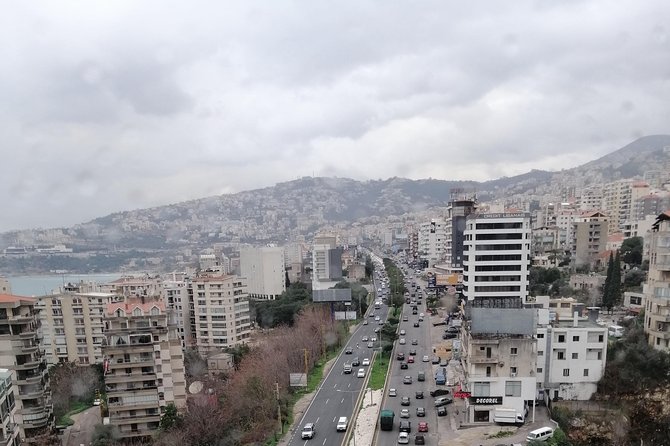
The next part is the Téléferique Harissa, the cable car descending from Harissa toward Jounieh. The ride takes about 20 minutes and is one of the most memorable pieces of the route. You get a changing view of the mountain and bay rather than seeing them from one fixed lookout.
The cable car ticket is not included in the standard admission details, but you can choose an option that includes the one-way ticket and other entrance fees. If the cable car is closed, the driver continues by road. That backup keeps the route moving, but you lose one of the day’s most distinctive experiences.
Because the cable car is important to the appeal of this stop, check the operating status when you book or shortly before departure. Do not assume that a cable-car ride is guaranteed simply because it appears in the itinerary.
Byblos Port and its ancient setting
Byblos is where the tour shifts from scenery to history and street life. The city is presented as one of the oldest continuously inhabited cities in the world and is listed as a UNESCO World Heritage Site. The visit begins around the port, where you walk along the marina toward the castle and souk.
The port section is brief on paper, around 15 minutes, but it connects the main parts of the old city. I like this approach because you are not dropped at an isolated ruin. You see the waterfront first, then move on foot into the older core.
The wider Byblos visit is described as about 1.5 hours, divided between the port, castle, and souk. That is enough for an introduction, especially with a guide explaining what you are seeing. It is not generous if you want to inspect every archaeological feature, shop slowly, and stop for a long coffee.
Byblos works best when you notice how the old walls, harbor, shops, and historic remains overlap. This is not a single monument with a neat entrance and exit. The interest comes from walking through a town where different periods sit close together.
More Harissa tours:
- Byblos, Jeita Grotto & Harissa Day Trip -With Lunch (4G on Board)
★ 4.5 · 145 reviews - Semi-Private Tour to Jeita Grotto, Harissa & Byblos with Lunch
★ 5.0 · 52 reviews - Small Group Tour to Jeita Grotto, Harisa & Byblos with Hotel pickup
★ 5.0 · 49 reviews - Private Guided Tour to Jeita Grotto through Harissa and Byblos
★ 5.0 · 48 reviews
Byblos Castle and the old souk
The Crusader castle is the strongest historic structure on the route. It was built in the 12th century from local limestone and reused Roman building remains. A moat once surrounded it, and its story includes the Genoese Embriaco family, Saladin’s capture of Byblos in 1188, later Crusader rebuilding, and an attack from Cypriot vessels in 1369.
You have about 45 minutes for this stop, but castle admission is not included in the basic tour price. If you want to enter, make sure your booking option covers it or plan to pay separately. The castle is worth considering because it gives you a better view of the nearby Phoenician and Roman remains, as well as the town around them.
I would not expect a museum-length visit. The value lies in seeing the structure in context and hearing how its walls changed hands over time. A guide such as Ali or Harake can help connect the Crusader fortress to the older city around it.
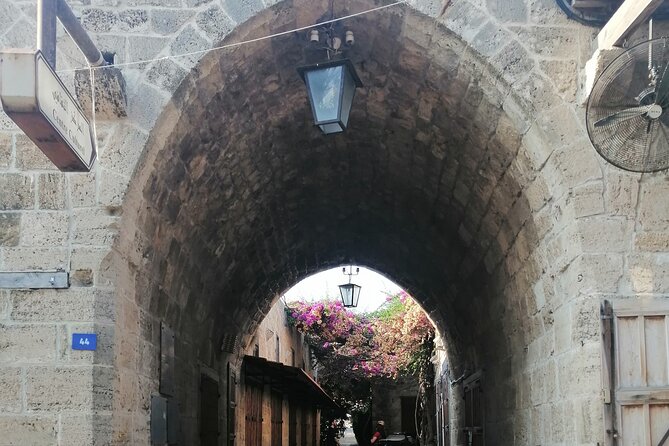
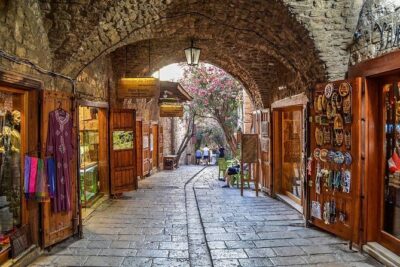
After the castle, you enter the old souk for about 30 minutes. This is one of the most appealing parts of the day for anyone who prefers lived-in places to fenced ruins. Small shops sell antiques, souvenirs, local crafts, and other goods. Cafes and bars line parts of the walk, and side lanes lead past old walls, medieval sections, and half-ruined properties.
The souk is relatively compact, so you can cover a lot in half an hour. Still, the time goes quickly if you stop to browse. I would decide in advance if you want to shop, take photos, or simply follow the guide’s explanation. You probably will not manage all three at a leisurely pace.
A useful detail is the lack of sales pressure described by one visitor, who appreciated that the outing focused on the day rather than pushing purchases. That makes the souk easier to enjoy, though you should still set your own budget for crafts and souvenirs.
Lunch by the Byblos waterfront
The tour includes a stop at a traditional restaurant for Mediterranean Lebanese food, scheduled for about one hour. Lunch is also described as an optional add-on, so check the selected package carefully before you pay. The meal is not consistently presented as part of the base $55 price.
The seaside setting at Byblos old port is a sensible choice. After the cave, mountain, and walking stops, you will want a real break rather than another rushed snack. One account specifically praised the food in Byblos, and another described enjoying a traditional Lebanese breakfast from a bakery on the way to Jeita.
That breakfast appears to have been an individual experience rather than a guaranteed feature, so do not count on it. I would eat something before pickup or carry a small snack, especially if you tend to get hungry early. The formal lunch comes later in the day.
The one-hour lunch stop gives you a chance to slow down and ask your guide for extra advice. One account noted receiving useful tips at the end of the day, which can be handy if you have more time in Lebanon.
Guides, vehicles, and group size
The strongest pattern in the feedback is the quality of the driver-guides. Ali and Harake are praised for being polite, accommodating, patient, and able to answer questions. They also appear to handle both driving and guiding, which matters on a route with several transfers and tight timing.
One account described Ali stopping for photographs along the way. Another praised Harake for keeping control of the schedule while remaining open to questions. Those details tell you what to expect from a good day: not a nonstop lecture, but useful explanations, practical help, and some flexibility when the road or a viewpoint calls for a short pause.
Transport is in an air-conditioned vehicle, a real benefit during a long summer outing. The group maximum is 15 people, so the tour should feel more manageable than a large coach excursion. The exact vehicle and actual group size are not stated, and a maximum of 15 does not mean every departure will be tiny.
Hotel pickup and drop-off remove one of the harder parts of arranging this route yourself. You do not need to work out separate transport to Jeita, Harissa, and Byblos, and the driver handles the return to Beirut after lunch.
Is $55 good value?
At $55 per person, the tour offers good value if you want transport, a guide, hotel pickup, and a packed sightseeing day. Organizing three distant stops independently could require multiple rides and careful timing, especially when the cable car and cave visit have their own operating schedules.
The price needs a closer look, though. The base amount may not include Jeita admission, the Harissa cable-car ticket, Byblos Castle admission, or lunch. An option is available to bundle entrance fees and the one-way cable-car ticket, and lunch can also be added at the traditional restaurant.
I would compare the final package price, not just the advertised starting rate. Paying a little more for the tickets may be worthwhile if you want a simple day with fewer cash stops. If you prefer to control costs, ask which admissions are excluded and pay only for the sights you most want to enter.
The tour has a 5.0 rating from 47 published ratings and a 100 percent recommendation rate. That is a strong record, especially because the praise covers several different parts of the day: pickup reliability, guide attitude, cave explanations, cable-car views, Byblos, and overall organization.
Timing, booking, and who should choose it
The outing lasts about eight to nine hours and starts around 8:30 in the morning. It is best for you if you have limited time in Beirut, want an overview of Lebanon’s coast and mountains, or would rather let someone else manage transport.
It suits couples, solo visitors, and small groups who enjoy a full schedule. It also makes sense if you want a first look at Byblos before deciding if you would like to return for a longer visit.
I would hesitate if your priority is slow travel. The cave, shrine, cable car, castle, souk, and lunch all compete for one day. You will see a great deal, but you will not have unlimited time at any one stop.
The tour requires a minimum number of participants, although one published account says the company ran it even with a single booking. If the minimum is not met and the outing is canceled, you are offered another date or experience, or a full refund. You can cancel for a full refund up to 24 hours before the start time. Cancellations or changes inside that window are not refunded or accepted.
Should you book the Jeita, Harissa, and Byblos tour?
I would book this tour if you want the best first-day overview outside Beirut. Jeita is the main reason to go, the Harissa cable car adds memorable views, and Byblos gives the day a satisfying finish with a castle, souk, harbor, and Lebanese meal.
Before paying, select or confirm the entrance-fee package, cable-car ticket, and lunch arrangements. Also accept that this is a brisk day. If that sounds right, the $55 starting price, hotel pickup, air-conditioned vehicle, and consistently praised guides make it a practical choice.
FAQ
How long does the tour last?
The experience lasts approximately eight to nine hours, beginning around 8:15 to 8:30 in the morning and ending with drop-off in Beirut after lunch.
Is hotel pickup included?
Yes. Hotel pickup in Beirut and drop-off at your location are included.
Are entrance fees included in the $55 price?
Not necessarily. You can choose an option that includes all entrance fees and the one-way Harissa cable-car ticket. The basic details list Jeita and Byblos Castle admission, along with the cable car, as not included unless selected.
Is lunch included?
Lunch is offered as an optional booking at a traditional restaurant beside the Byblos waterfront. Confirm the exact package before booking, since the base price does not clearly include the meal.
What happens if the Harissa cable car is closed?
The driver continues to the next stop by vehicle if the cable car is closed.
What is the maximum group size?
The tour can include a maximum of 15 participants.
More Byblos Tours
- Lebanon Tour Jeita-Harissa & Byblos w/pickup,lunch,entries +guide
★ 5.0 · 27 reviews - Jeita Grotto – Harissa – Byblos Tour (All Inclusive)
★ 4.5 · 27 reviews - Jeita Grotto, Byblos and Harissa Full-Day Tour from Beirut
★ 5.0 · 23 reviews - Full-Day Private Tour to Jeita Grotto, Harissa and Byblos
★ 5.0 · 20 reviews
Just added around Beirut
- Private Full-Day Tour to Jeita Grotto, Harissa and Saint Charbel from Beirut★ 5.0 · 3 reviews
- Beirut to Jeita Grotto and Byblos: Daily Tours with Lunch★ 5.0 · 3 reviews
- PRIVATE city tour of Old Sidon & Historic Tyre★ 5.0 · 3 reviews
- Journey Through Time: Half-Day Private Tour to Baalbek★ 5.0 · 3 reviews
- Small-Group Tour to Sidon, Tyre and Maghdouche with Lunch and Tickets★ 4.5 · 3 reviews
- Beirut to Sidon, Tyre and Maghdouché: Daily Tours with Lunch★ 5.0 · 3 reviews
- Hike Chouwen★ 5.0 · 3 reviews
- Private Full-Day Tour to Byblos and Tripoli from Beirut★ 5.0 · 3 reviews
Jeita Grotto Tours, compared.
Guided Small-Group Tour to Jeita, Harissa, Byblos with Lunch
Read our review →
Jeita Grotto,Harissa&Byblos Full-Day PRIVATE-CAR Trip from Beirut
Read our review →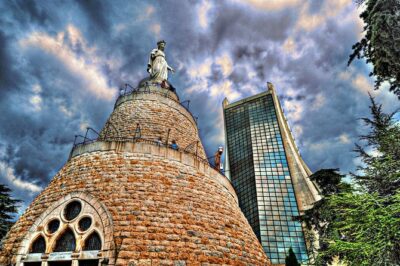
Byblos, Jeita Grotto & Harissa Day Trip -With Lunch (4G on Board)
Read our review →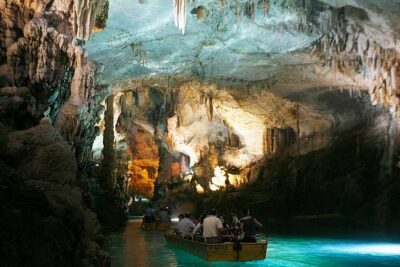
Semi-Private Tour to Jeita Grotto, Harissa & Byblos with Lunch
Read our review →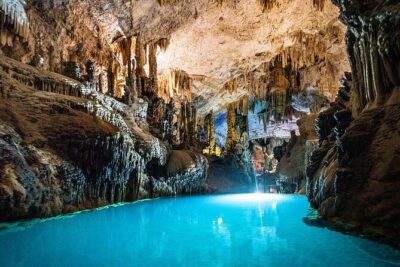
Small Group Tour to Jeita Grotto, Harisa & Byblos with Hotel pickup
Read our review →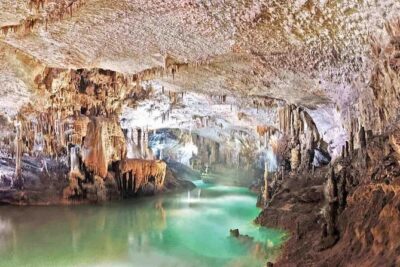
Private Guided Tour to Jeita Grotto through Harissa and Byblos
Read our review →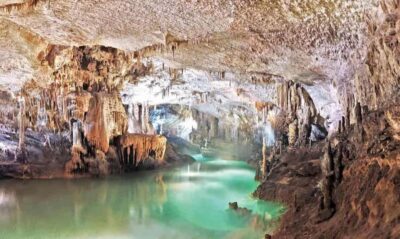
Browse the lists this tour appears in