
Review · BAALBEK & ANJAR DAY TRIPS
Guided Full-Day Private Tour to Byblos and Baalbek from Beirut
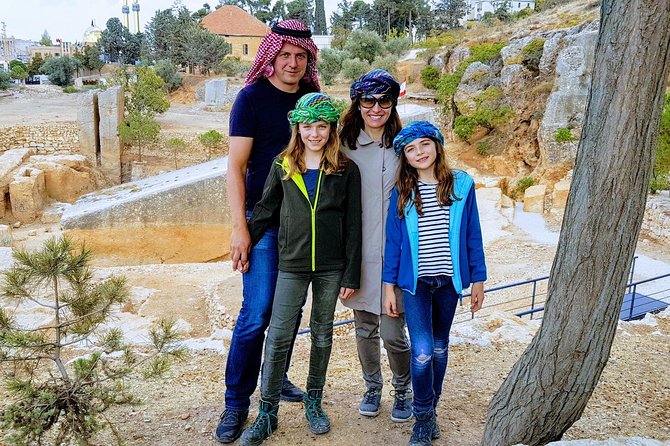
Ancient Lebanon packs a lot into one day. This private excursion links Byblos, one of the world’s oldest cities, with Baalbek, home to enormous Roman temples, and gives you local guides at both sites. I like the personal format, the included entrance fees, and the ease of hotel pickup in Beirut. The main drawback is the long 10-hour schedule, with several hours spent on the road and no lunch included.
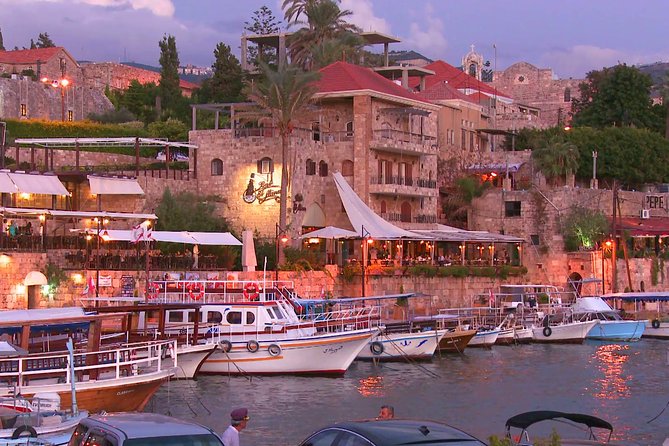
I also like the contrast between the two stops. Byblos gives you a Phoenician port, Crusader walls, old lanes, and sea views. Baalbek answers with giant columns, vast stone blocks, and a sense of Roman scale that is hard to grasp from photographs. A guide named Rita is specifically praised for answering questions carefully, while the driver helped make the full day comfortable.
The price is $100 per person, which is fair if you value private transport, two local guides, admission fees, and hotel transfers. You will want an early start at 7:30 a.m., sensible shoes, and a plan for lunch, since that meal is not included.
In This Review
- Key points before you book
- Why this makes sense from Beirut
- Byblos: Phoenician origins beside the sea
- Byblos Castle and the archaeological site
- The old souk and Byblos Port
- The road to Baalbek and what awaits
- Baalbek’s temples: size that needs a guide
- Sayyida Khawla Shrine and the Stone of the Pregnant Woman
- What the $100 price includes
- Who should book this day?
- Should you book the Byblos and Baalbek tour?
- FAQ
- Where does the tour begin?
- How long does the tour last?
- Is this a private tour?
- Is transportation included?
- Are guides included at Byblos and Baalbek?
- Are admission fees included?
- Is lunch included?
- What places are visited in Byblos?
- What places are visited in Baalbek?
- Can I cancel for a full refund?
Key points before you book
- Two major sites in one day: See Byblos on the Mediterranean coast and Baalbek in the Bekaa region without arranging separate transport.
- Private attention at both ruins: Local guides accompany you in Byblos and Baalbek, with time to ask questions.
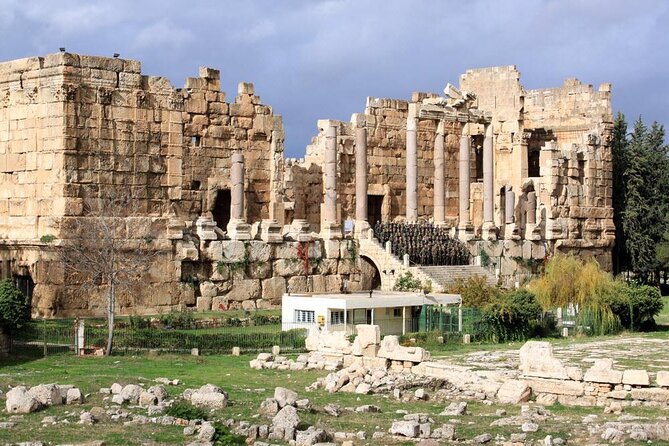
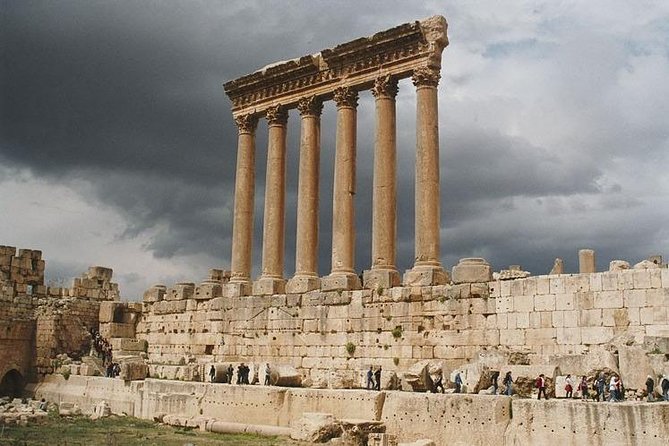
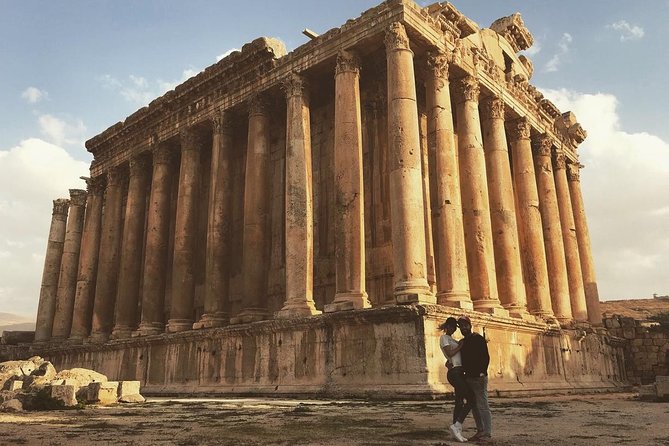
- Baalbek is the visual high point: The Roman temple complex includes the Temples of Jupiter, Venus, and Bacchus, plus some of antiquity’s largest quarried stones.
- Byblos mixes ruins with real town life: The archaeological site is followed by the old souk and ancient port.
- Hotel pickup and drop-off are included: This removes much of the planning burden for a full day away from Beirut.
- Lunch is your responsibility: The tour covers transport and admission, but not food.
Why this makes sense from Beirut
Byblos and Baalbek represent two very different sides of Lebanon’s past. Byblos grew as a Phoenician coastal city and is closely tied to the development and spread of the Phoenician alphabet. Baalbek reached its greatest size under Roman rule, when colossal temples were built for the Romanized Heliopolitan triad.
Seeing both in one outing gives you useful context. Byblos feels layered and human: temples, homes, market streets, and a harbor all occupy a compact area. Baalbek feels grand and ceremonial, built to impress pilgrims and display imperial power.
The private format matters here. A fixed group tour can rush you through ruins with little time for questions. With only your own party taking part, you can ask for clarification, spend longer at a feature that interests you, or keep moving when you have had enough. The exact amount of flexibility is not specified, so I would confirm your preferred pace with the operator before departure.
The day starts at 7:30 a.m. and lasts about 10 hours. That is a full schedule, but it is also what makes the trip practical for anyone with limited time in Beirut. Hotel pickup and drop-off are included, along with an air-conditioned vehicle and a tour leader.
More Baalbek and Anjar day trips:
- Guided Small-Group Tour to Baalbek, Anjar and Ksara with Lunch
★ 5.0 · 511 reviews - Anjar, Baalbek & Ksara Day Trip – With Lunch (4G on Board)
★ 4.5 · 181 reviews - Baalbek – Anjar – Ksara Trip From Beirut
★ 4.5 · 80 reviews
Byblos: Phoenician origins beside the sea
The first main stop is Byblos, described as one of the oldest Phoenician cities. People have lived here since Neolithic times, and the city has remained closely linked to Mediterranean history for thousands of years.
I would give the initial Byblos visit your full attention rather than treating it as a quick photo stop. The site is valuable because many periods appear close together. You can connect the early settlement of the city with later temples, Crusader construction, market streets, and the port that helped make Byblos important.
The connection with the Phoenician alphabet is another reason this stop matters. The alphabet’s history can feel abstract in a museum, but Byblos places that story in an actual ancient city. Your local guide can help explain how the city’s role in Mediterranean trade connected it to the spread of writing.
The planned time here is about two hours, followed by a separate hour at Byblos Castle. That is enough for a meaningful look, though not enough for every corner of the archaeological site at a slow pace. If ancient cities are your main interest, you may wish you had more time. The advantage is that the day does not remain in one place, and Baalbek receives a substantial visit later.
Byblos Castle and the archaeological site
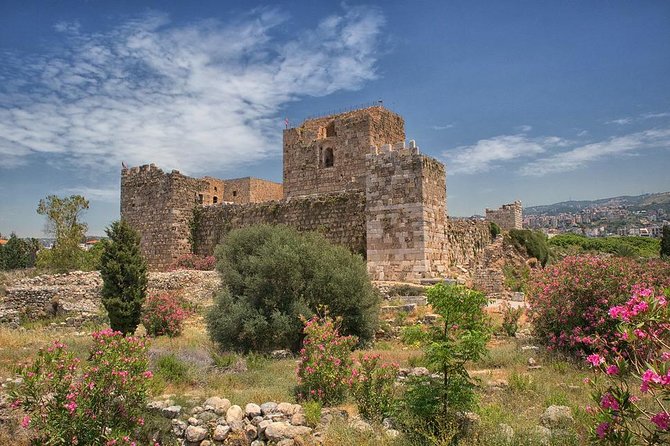
Byblos Castle is a restored Crusader fortress built in the 12th century. A dry moat about 10 meters wide surrounds it, giving the building a strong defensive profile within the archaeological area.
The castle’s square keep is the place to aim for. From the top, you can look down over the ruins and toward the sea. Bronze Age dwellings are visible below the walls, which makes the city’s long timeline easier to read. You are not looking at an isolated fortress. You are looking across layers of settlement that stretch from early communities to the Crusader period.
Inside, a small museum and information panels explain Byblos’s past. This is useful if you want dates and names to anchor what you see outside. The guide’s explanation should add the connections between the remains, rather than leaving you to decode the stones alone.
The entrance fee is included, so you do not need to budget separately for the castle. The keep involves an elevated viewpoint, and the archaeological setting includes old stone surfaces, so practical footwear is a wise choice. No detailed accessibility information is provided, although the tour notes say most people can participate.
The old souk and Byblos Port
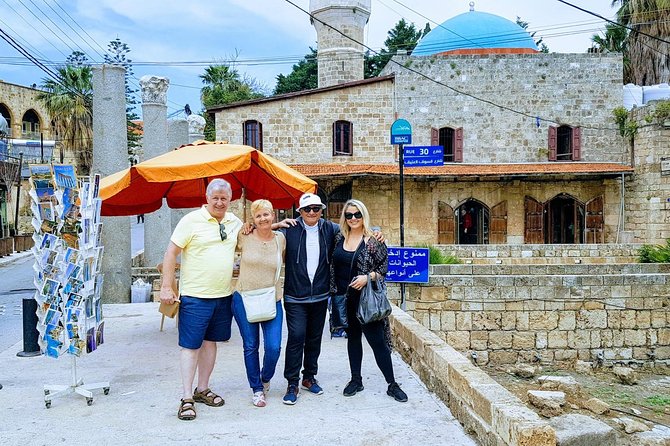
After the castle and ruins, the outing continues to the old souk. This is a short 15-minute stop, so think of it as a brief walk and chance to get your bearings, not a long shopping session.
The souk has old cobblestone streets, traditional architecture, souvenirs, and antiques. I like this part because it shifts the visit from formal archaeology to the character of the living town. You can browse if something catches your eye, but the schedule does not allow much time for serious shopping.
Byblos Port receives another 15 minutes. Lebanese tradition identifies it as the oldest port in the world, and around 3000 BC it served as a major timber shipping center in the eastern Mediterranean.
That claim is best treated as part of the port’s local identity rather than a point to argue over. The important fact for your visit is that the harbor helps explain Byblos’s power. The city was not only a place of temples and homes. It was a working coastal center tied to trade and timber.
Together, the souk and port make Byblos feel less like a sealed ruin. You see the archaeological site, then connect it with streets and waterfront space that still shape the town.
More Byblos tours:
- Guided Small-Group Tour to Jeita, Harissa, Byblos with Lunch
★ 5.0 · 361 reviews - Jeita Grotto,Harissa&Byblos Full-Day PRIVATE-CAR Trip from Beirut
★ 5.0 · 222 reviews - Jeita Grotto – Harissa – Byblos Trip
★ 5.0 · 169 reviews - Byblos, Jeita Grotto & Harissa Day Trip -With Lunch (4G on Board)
★ 4.5 · 145 reviews
The road to Baalbek and what awaits
Baalbek sits at the foot of the southwestern slope of the Anti-Lebanon range, beside the fertile Bekaa region, at an altitude of about 1,150 meters. The setting helps explain why the site feels different from Byblos, but the tour information does not give a precise driving time between the two stops.
The trip’s air-conditioned private vehicle is important on a day this long. You are not handling transfers yourself, and hotel drop-off is included at the end. The tour also provides a tour leader along with local guides at the two historic sites.
Baalbek was known in the Roman period as Heliopolis. Its sanctuary was dedicated to three deities: Jupiter, Venus, and Bacchus. Although presented in Roman form, the religious tradition was essentially Phoenician. That blend is one of the site’s most interesting features. Baalbek is not simply a Roman outpost copied from Italy. It reflects local worship expressed through Roman imperial architecture.
The Baalbek visit lasts about 90 minutes. You can see the principal monumental remains and hear the story behind them, but the site is enormous in scale. If you enjoy ancient architecture, this may be the part of the day where you wish the clock would stop.
Baalbek’s temples: size that needs a guide
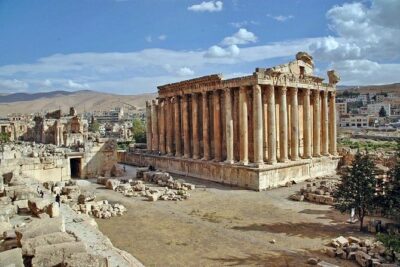
The temple complex is the strongest reason to choose this tour. Construction took more than two centuries, and the sanctuary became one of the most famous religious centers of the Roman world.
The scale is difficult to understand without a guide pointing out the construction methods, religious purpose, and relationship between the buildings. A well-explained visit helps you see more than columns. You begin to understand how a sanctuary could attract pilgrims and how imperial building projects were used to display authority.
The temples linked with Jupiter, Venus, and Bacchus each contribute something different to the visit. The complex is also valuable because it shows Roman architecture at an extreme scale, while retaining the older Phoenician religious connection.
The 90-minute visit should work well for most people who want an overview. It may feel short if you want to study every stone or take extensive photographs. Since this is a private outing, you can ask your guide how the time will be divided before entering the complex.
The most useful approach is to listen first, then photograph. Baalbek’s size can make it tempting to walk around snapping pictures without understanding what you are seeing. The local guide is there to turn a huge pile of ancient stone into a readable place.
Sayyida Khawla Shrine and the Stone of the Pregnant Woman
The itinerary includes a five-minute stop at Sayyida Khawla Shrine. The mosque is built where local belief places the burial of Sayyida Khawla, identified as the daughter of Imam al-Hussein and granddaughter of the Prophet Muhammad.
This is a brief visit, but it adds a religious dimension to Baalbek beyond the Roman temples. The site’s importance did not end in antiquity. Local belief and worship continue to shape how the area is understood today.
The final stop is the Stone of the Pregnant Woman, with about 30 minutes allowed. This worked Roman monolith, along with another ancient block nearby, is among the largest stones ever quarried. The blocks were likely intended for the nearby temple complex.
The name is memorable, but the engineering is the real point. These massive stones show the ambition behind Baalbek’s construction. Even before you return to the main temples, the quarry blocks give you a fresh sense of the labor and planning required to build them.
The 30-minute stop should give you time to see the stone and hear its connection to the sanctuary. It also breaks up the main temple visit with a more focused look at the raw material behind the finished monuments.
What the $100 price includes
At $100 per person, this tour offers solid value for anyone who wants a private day rather than a self-organized trip. The price includes:
- Hotel pickup and drop-off
- Private transportation
- An air-conditioned vehicle
- A tour leader
- Local guides in Byblos and Baalbek
- Admission fees at the included paid sites
The two guides are especially important. A private vehicle can get you from place to place, but it does not explain why the Phoenician alphabet matters, how the Crusader castle fits into Byblos, or why Baalbek combines Roman architecture with a Phoenician cult.
The price does not include lunch. That is the main cost to plan separately, and the provided details do not specify a restaurant, meal stop, or lunch allowance. Ask the operator how the lunch break is handled before you set out, especially because the day begins early and runs for about 10 hours.
Group discounts are available, which may improve the value if you are traveling with several people. Since the tour is private, the cost structure may work best for a small group that can share the experience while retaining personal attention.
Who should book this day?
I would choose this tour if you are staying in Beirut and want to cover Lebanon’s most important ancient highlights with minimal planning. It suits first-time visitors, couples, families, and small groups who prefer their own vehicle and guides.
It is also a good match if you care about explanation as much as sightseeing. The strongest praise attached to the experience focuses on Rita’s detailed answers, the comfortable driver, and the quality of the archaeological sites. Those are precisely the elements that can make a long day feel worthwhile.
You should think twice if you dislike early starts, long outings, or a schedule with several short stops. Byblos includes only 15 minutes at the souk and 15 minutes at the port, while Baalbek receives about 90 minutes at the main complex. The tour gives you breadth, not unlimited time at every location.
Most people can participate according to the tour information, but detailed mobility guidance is not provided. If you have specific access needs, ask before booking. Free cancellation is available when you cancel at least 24 hours before the start time. Changes or cancellations made inside that window are not refundable.
Should you book the Byblos and Baalbek tour?
Book it if you want an efficient, well-supported introduction to Lebanon’s ancient sites. The combination of private transfers, included entry fees, and guides at both destinations removes much of the practical strain, while the contrast between Byblos and Baalbek keeps the day varied.
The best reason to go is Baalbek, but Byblos makes the day more complete. You get Phoenician history, a Crusader fortress, a port, a souk, Roman temples, a shrine, and enormous quarry stones in one carefully packed outing.
I would book it for the convenience and historical range, while accepting that lunch is extra and the schedule is demanding. If Rita is assigned as your guide, her reported care with questions would be an added benefit. Either way, confirm the lunch arrangement, pickup details, and amount of free time before departure.
FAQ
Where does the tour begin?
The tour begins with pickup from your Beirut hotel. The listed start time is 7:30 a.m.
How long does the tour last?
The tour lasts approximately 10 hours.
Is this a private tour?
Yes. Only your group participates in the activity.
Is transportation included?
Yes. Hotel pickup and drop-off, private transportation, and an air-conditioned vehicle are included.
Are guides included at Byblos and Baalbek?
Yes. Local guides show you around both Byblos and Baalbek. A tour leader is also included.
Are admission fees included?
Yes. Admission fees for the included paid attractions are covered.
Is lunch included?
No. Lunch is not included in the tour price.
What places are visited in Byblos?
The tour visits Byblos, Byblos Castle, the old souk, and Byblos Port.
What places are visited in Baalbek?
The tour visits the Baalbek temple complex, Sayyida Khawla Shrine, and the Stone of the Pregnant Woman.
Can I cancel for a full refund?
Yes, if you cancel at least 24 hours before the experience start time. Cancellations made less than 24 hours in advance are not refunded.
Just added around Beirut
- Private Full-Day Tour to Jeita Grotto, Harissa and Saint Charbel from Beirut★ 5.0 · 3 reviews
- Beirut to Jeita Grotto and Byblos: Daily Tours with Lunch★ 5.0 · 3 reviews
- PRIVATE city tour of Old Sidon & Historic Tyre★ 5.0 · 3 reviews
- Journey Through Time: Half-Day Private Tour to Baalbek★ 5.0 · 3 reviews
- Small-Group Tour to Sidon, Tyre and Maghdouche with Lunch and Tickets★ 4.5 · 3 reviews
- Hike Chouwen★ 5.0 · 3 reviews
- Beirut to Sidon, Tyre and Maghdouché: Daily Tours with Lunch★ 5.0 · 3 reviews
- Private Full-Day Tour to Byblos and Tripoli from Beirut★ 5.0 · 3 reviews
Baalbek & Anjar Day Trips, compared.
Guided Small-Group Tour to Baalbek, Anjar and Ksara with Lunch
Read our review →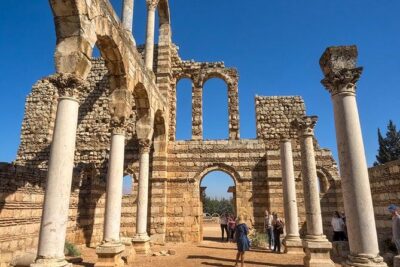
Anjar, Baalbek & Ksara Day Trip – With Lunch (4G on Board)
Read our review →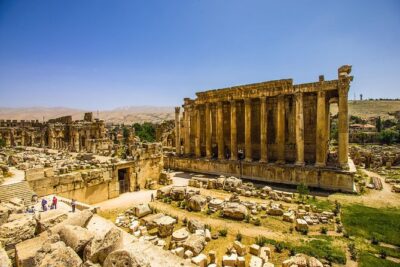
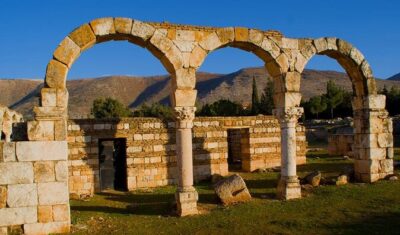
Private Anjar and Baalbek Tour from Beirut with Departure Ticket
Read our review →
Guided Private Full Day Tour to Baalbek, Anjar and Chateau Ksara
Read our review →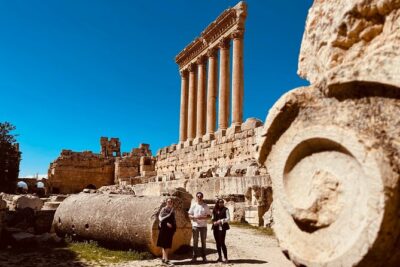
Lebanon tour Baalbek ruins & Ksara w/pick-up, lunch,guide+entries
Read our review →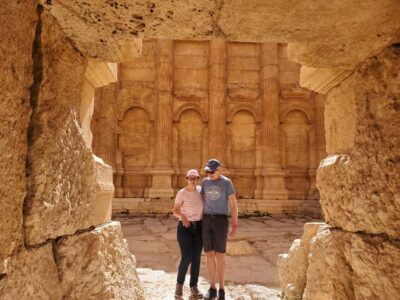
Baalbek Temples & Ksara Caves w/pick-up,guide, entries+lunch
Read our review →
Small Group Tours to Baalbek, Anjar & Chateau Ksara with lunch and Tickets
Read our review →Browse the lists this tour appears in