
Review · QADISHA VALLEY & CEDARS TOURS
Small Group Tours to Qadisha Valley, Bcharre and Cedars with lunch and all fees
Ancient cedars and cliffside monasteries await. This nine-hour trip from Beirut gives you a safe, organized way to reach northern Lebanon’s mountain country, with stops in the Qadisha Valley, Bcharré, the Gibran Museum, the Cedars of God, and St Anthony Monastery. I like the door-to-door pickup and the included Lebanese lunch, since both remove common hassles from a long day outside Beirut.
I also like the chance to travel in a small vehicle with a driver-guide rather than tackle Lebanon’s mountain roads yourself. The strongest praise has gone to guides such as Albert, who is described as kind, professional, detailed, and flexible. The main consideration is time: nine hours lets you see the key places, but Qadisha Valley alone could reward a much longer visit.
In This Review
- What makes this day trip worth considering
- From Beirut to Lebanon’s northern mountains
- Qadisha Valley: cliffs, caves, and early Christian life
- Bcharré: a mountain town with 37 churches
- The Gibran Museum and the work of a Lebanese artist
- The Cedars of God: Lebanon’s national symbol
- St Anthony Monastery in the Qozhaya Valley
- Lunch in Bcharré and what the $99 covers
- The guide can shape the entire experience
- Who should book this northern Lebanon day trip?
- Should you book it?
- FAQ
- Where does the tour start?
- How long does the experience last?
- Is transportation included?
- Is lunch included?
- What places does the tour visit?
- Is admission included?
- How much does the tour cost?
- How large is the group?
- Is the Gibran Museum included?
- Can I cancel for a full refund?
What makes this day trip worth considering
- The Cedars of God are the visual high point: You see one of the last surviving areas of Lebanon’s ancient cedar forests, with 375 recorded trees.
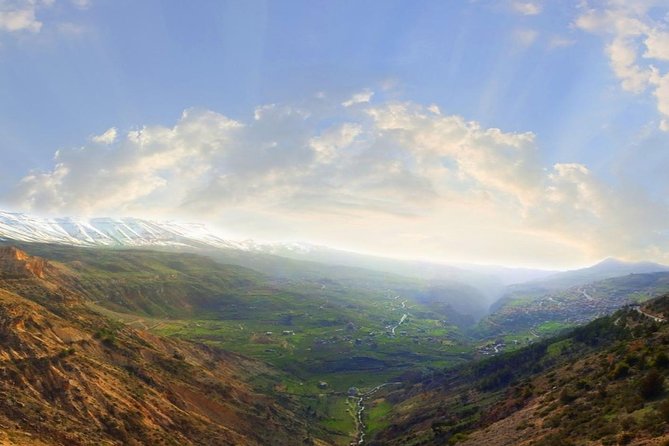
- Qadisha is more than a scenic mountain gorge: Its caves, monasteries, and terraces are tied to some of the earliest Christian monastic settlements.
- Bcharré adds art and local identity: The town is linked to Kahlil Gibran, Lebanon’s famous writer and artist, and contains his former monastery museum.
- St Anthony Monastery gives the day spiritual depth: The site reaches back to hermit life that may have begun here in the fourth century.
- Lunch and transport are included: The $99 price covers a local restaurant meal, site admissions, a guide, and round-trip hotel transfers.
- The group-size information needs checking: The tour is presented as capped at eight people in its main description, while the additional booking information says a maximum of 15.
From Beirut to Lebanon’s northern mountains
The day begins around 8:00 a.m., with hotel pickup in Beirut. The drive north is a major part of the experience, so this is not a quick sightseeing outing. You are committing most of a day to reach an area where mountain towns, religious sites, art, and old trees all connect.
I like the practical setup. An air-conditioned minivan, round-trip transportation, and a driver-guide mean you can watch the scenery instead of worrying about directions, parking, or the drive back after a full day. That matters in a region where roads rise into mountain country and the places you want to visit are spread across several areas.
The advertised group limit is eight people, which would be excellent for questions and easy movement at short stops. However, another part of the tour information lists a maximum of 15. Ask for the confirmed group size before booking if a genuinely small group is important to you.
The road time also affects how you should judge the day. You will not have hours to wander freely in every village or monastery. Instead, this works as a well-planned introduction to northern Lebanon, with several carefully chosen stops.
More Qadisha Valley and Cedars tours:
- Bcharre – Qadisha Valley & Cedars Forest From Beirut
★ 5.0 · 78 reviews - Guided Small-Group Tour to Qadisha, Bcharee & Cedars with Lunch
★ 5.0 · 39 reviews - Cedars of Lebanon, Qozhaya, & Bcharre – With Lunch (4G on Board)
★ 4.5 · 34 reviews
Qadisha Valley: cliffs, caves, and early Christian life
Qadisha Valley is the setting that gives the tour its meaning. It is recognized as a UNESCO World Heritage Site because of its connection to some of the earliest Christian monastic settlements. The area includes caves, monasteries, and cultivated terraces tied to centuries of religious life.
This is not a polished museum district. The valley is rugged, and its religious sites are tied closely to the rock and forest around them. Hermits used caves and remote slopes as places of prayer and retreat, while monasteries developed in the difficult terrain.
I find that context important because it changes how you look at the valley. The cliffs are not just a pretty backdrop for photographs. They explain why people seeking solitude came here and why several monasteries were built in places that seem hard to reach.
The limitation is the amount of time. The tour schedule gives specific time at several stops, but Qadisha Valley itself is larger than a single sightseeing window. You should see this day as an introduction to the valley’s sacred sites, not as a complete walking exploration.
Bcharré: a mountain town with 37 churches
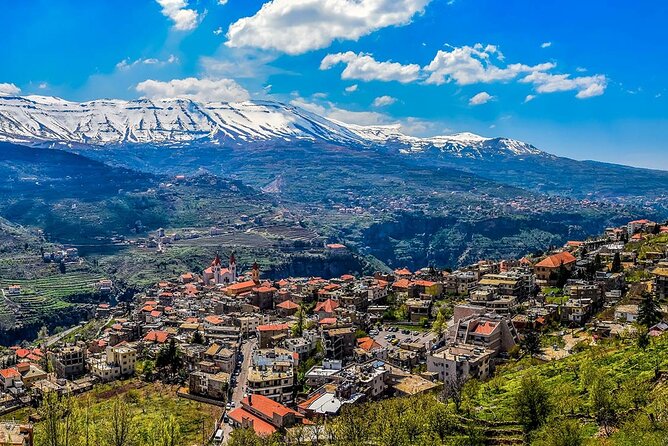
Bcharré is the first major stop and a useful place to connect the region’s natural and cultural sides. It is known as the town of the Cedars of God, the birthplace of Kahlil Gibran, and a place sometimes called the city of churches because it contains about 37 churches.
The planned visit here is about 30 minutes, with no separate admission charge. That is enough to get your bearings and understand why Bcharré matters, but not enough for an extended town walk or a slow look at every church.
Bcharré also has a place in Lebanon’s winter sports story. It is home to the Cedars Ski Resort and Lebanon’s first ski lift, built in 1953. You may not have time to explore the resort on this day, but the detail helps show that this is more than a gateway to the forest. It is a mountain community with its own strong identity.
I like the way Bcharré breaks up the day. After the large scale of the valley and the long mountain roads, a lived-in town gives you a more grounded sense of northern Lebanon. The stop is brief, so keep your expectations realistic.
The Gibran Museum and the work of a Lebanese artist
The Gibran Museum occupies the former Monastery of Mar Sarkis in Bcharré. It honors Kahlil Gibran, the Lebanese writer, philosopher, painter, and sculptor whose work later became closely linked with his years in New York.
The museum holds 440 original paintings and drawings, along with his private manuscripts, furniture, personal belongings, and tomb. The collection gives the stop real substance. You are not simply entering a room with a few framed portraits of a famous local figure.
The scheduled visit lasts 30 minutes, and admission is included. That makes the museum easy to fit into a busy day, though the short visit may feel limiting if Gibran’s art is a main reason you want to come north. You will need to keep moving rather than study every work at length.
The museum also adds a personal layer to Bcharré. The town is not only linked to old churches and cedar trees. It produced a major modern Lebanese cultural figure, and his former monastery helps tie local identity to literature and art.
One useful point from the feedback about the tour is that the day’s themes work well together: art, Christianity, mountain life, and the cedar tree all appear in a single route. If you want a day focused only on scenery, the museum may slow the pace. If you enjoy seeing how culture grows from a place, it earns its half hour.
More Tours with Lunch in Beirut:
- Guided Small-Group Tour to Baalbek, Anjar and Ksara with Lunch
★ 5.0 · 511 reviews - Guided Small-Group Tour to Jeita, Harissa, Byblos with Lunch
★ 5.0 · 361 reviews - Anjar, Baalbek & Ksara Day Trip – With Lunch (4G on Board)
★ 4.5 · 181 reviews - Byblos, Jeita Grotto & Harissa Day Trip -With Lunch (4G on Board)
★ 4.5 · 145 reviews
The Cedars of God: Lebanon’s national symbol
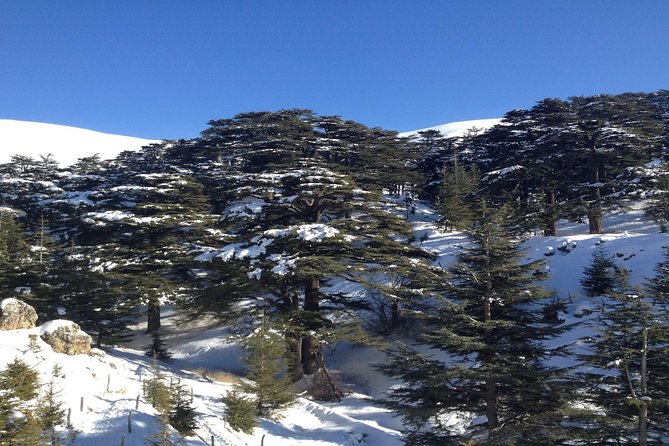
The Cedars of God are likely to be the emotional high point of the tour. The forest contains 375 trees and is described as one of the last remaining areas of Lebanon’s old cedar forests. Cedar is the country’s national symbol and appears on the Lebanese flag.
These trees also carry unusual historical weight. Cedar wood was prized in ancient times and used for major religious buildings. The tree is cited 103 times in the Bible, so its importance here is both national and religious.
You have about one hour at the site, with admission included. That is the longest scheduled stop, and rightly so. The forest deserves time for a proper look rather than a hurried photo stop. You can take in the old trunks, the mountain air, and the sense that this small surviving forest is only a remnant of something once much larger.
I would save room in your phone and camera for this stop, but do not reduce it to a photo backdrop. The best part is understanding the cedar’s role in Lebanon’s identity and seeing how rare these remaining trees are.
The weather can change in the mountains, and one person specifically advised preparing for the conditions at this time of year. Bring suitable layers and shoes that feel comfortable for standing and walking outdoors. The tour is not presented as a strenuous hike, but the schedule does include natural and religious sites rather than only indoor attractions.
St Anthony Monastery in the Qozhaya Valley
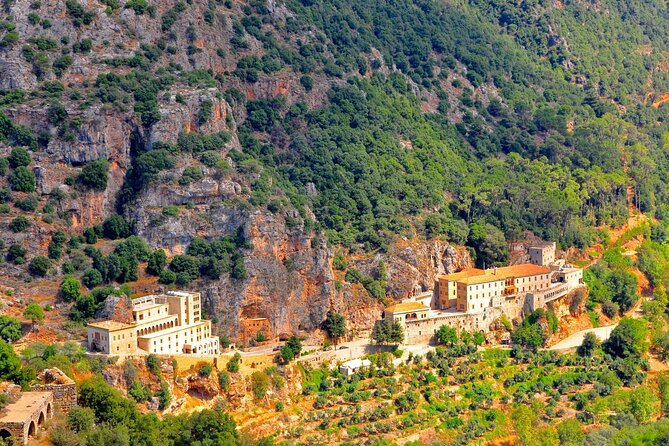
The Maronite Monastery of St Anthony the Great is set at about 950 meters above sea level in the Qozhaya Valley. It is surrounded by pine and oak-covered hills, with fruit trees along the valley. Qozhaya connects with Qannubin to form the wider Qadisha Valley.
This is the stop where the region’s religious past becomes especially clear. Historians and scholars believe the monastery was first built and occupied by hermits around the beginning of the fourth century. It was looted, burned, and rebuilt more than once, yet remains from the seventh century are still present.
The planned visit lasts one hour, and admission is included. That gives your guide time to explain what you are seeing, which matters here because the importance is not always obvious at first glance. A detailed explanation can help you notice the layers of rebuilding, the monastic setting, and the long tradition of eremitic life.
Several strong comments about the tour singled out this part of the day for the guide’s explanation. Albert was praised for giving especially detailed background at St Anthony Monastery, while other feedback describes the guide as friendly, informative, and humorous. Guide quality matters more at a place like this than at a simple viewpoint.
You should also expect a quieter, more reflective stop. The monastery is not a quick attraction to tick off. Its value comes from the setting and the story of people who chose a hard-to-reach valley for spiritual life.
Lunch in Bcharré and what the $99 covers
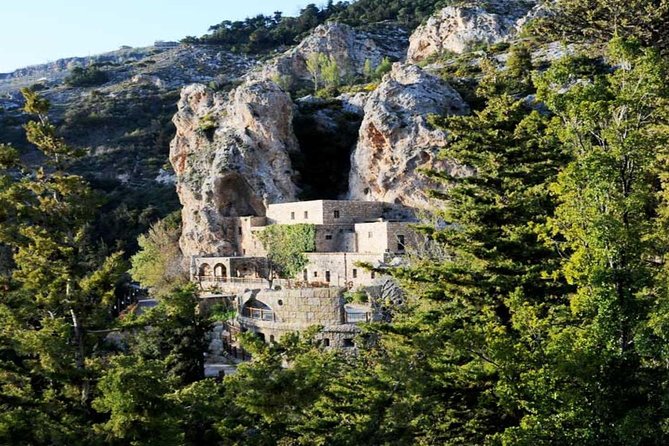
The price is $99 per person. That includes hotel pickup and drop-off, air-conditioned minivan transport, a tour leader, admission to the listed sites, and lunch at a local Bcharré restaurant.
That is a fair package for a full day from Beirut because the price is not limited to a vehicle transfer. You are paying for a guide, several admissions, a restaurant meal, and the convenience of having the route arranged. The value improves if you would otherwise need to hire a private driver or organize separate transport to four mountain-area stops.
Lunch also gives the day a local pause. It is not described as a cooking class or a special tasting menu, so you should think of it as a practical Lebanese meal included in the route. The benefit is that you do not need to solve lunch arrangements while moving between widely spaced sites.
The biggest value question is group size. A group of eight would make $99 especially attractive for anyone who wants personal attention without paying private-tour prices. If the group reaches 15, the tour can still be useful, but it may feel less personal at the museum and monastery.
The guide can shape the entire experience
This route contains plenty of facts, but facts alone do not explain why the valley’s caves mattered, how the cedars became a national symbol, or why Gibran belongs in Bcharré. The driver-guide is therefore central to the experience.
The most praised guide by name is Albert. He is described as kind, professional, accommodating with the schedule, and strong in English. Another guide is described as friendly, informative, and funny. That range suggests the operator has made guide quality a real strength, though your exact guide may vary.
I especially value the comments about flexibility. A guide who handles timing well can make the day feel calm rather than rushed, particularly when the route includes transport, meal service, admissions, and several short visits.
Still, keep your own priorities clear. If you want long walks, extended time with individual artworks, or a full monastery study, tell the guide what matters most. The itinerary has a lot to cover, and the day works best when you accept its broad overview format.
Who should book this northern Lebanon day trip?
I would recommend it to you if you are staying in Beirut and want to see a very different side of Lebanon without arranging a car. It suits first-time visitors who want scenery, religious heritage, a cultural museum, and a famous national symbol in one day.
It is also a good fit if you value explanation. The stops are more rewarding when someone connects them to early Christianity, Kahlil Gibran, cedar conservation, and Lebanon’s mountain communities.
You may want another option if your priority is a slow hike through Qadisha Valley. The tour includes the valley and several important sites, but the schedule does not promise a long trail walk. It may also disappoint you if you want to spend half a day inside the Gibran Museum or explore Bcharré at an unhurried pace.
Most people can participate, according to the provided tour information, but the experience still involves a long day, mountain roads, outdoor time, and several stops. Plan for changing weather and a full schedule.
Free cancellation is available if you cancel at least 24 hours before the start time. Changes or cancellations inside that window are not accepted for a refund.
Should you book it?
Book this tour if you want an efficient, well-supported introduction to northern Lebanon. The Cedars of God and St Anthony Monastery give the day its strongest sense of place, while Bcharré and the Gibran Museum add art and local character.
The $99 price is sensible when you count transport, lunch, admissions, and guiding. Before paying, confirm the actual group limit, since the information gives both eight and 15 as possible maximums. If you are comfortable with a broad nine-hour overview rather than a slow custom visit, this is a strong way to reach Qadisha Valley from Beirut.
FAQ
Where does the tour start?
The tour starts in Beirut, with hotel pickup offered. The stated start time is 8:00 a.m.
How long does the experience last?
The tour lasts approximately nine hours.
Is transportation included?
Yes. The package includes hotel pickup and drop-off and transport by air-conditioned minivan.
Is lunch included?
Yes. Lunch at a local restaurant in Bcharré is included.
What places does the tour visit?
The route includes Qadisha Valley, Bcharré, the Gibran Museum, the Cedars of God, and the Maronite Monastery of St Anthony.
Is admission included?
Yes. Admission and site tickets are included in the tour price.
How much does the tour cost?
The listed price is $99 per person.
How large is the group?
The main description says the group is capped at eight people. Additional information gives a maximum of 15, so you should confirm the group size before booking.
Is the Gibran Museum included?
Yes. The visit lasts about 30 minutes, and admission is included.
Can I cancel for a full refund?
Yes, if you cancel at least 24 hours before the experience’s start time. Cancellations made less than 24 hours in advance are not refunded.
Just added around Beirut
- Private Full-Day Tour to Jeita Grotto, Harissa and Saint Charbel from Beirut★ 5.0 · 3 reviews
- Beirut to Jeita Grotto and Byblos: Daily Tours with Lunch★ 5.0 · 3 reviews
- PRIVATE city tour of Old Sidon & Historic Tyre★ 5.0 · 3 reviews
- Journey Through Time: Half-Day Private Tour to Baalbek★ 5.0 · 3 reviews
- Small-Group Tour to Sidon, Tyre and Maghdouche with Lunch and Tickets★ 4.5 · 3 reviews
- Beirut to Sidon, Tyre and Maghdouché: Daily Tours with Lunch★ 5.0 · 3 reviews
- Hike Chouwen★ 5.0 · 3 reviews
- Private Full-Day Tour to Byblos and Tripoli from Beirut★ 5.0 · 3 reviews
Qadisha Valley & Cedars Tours, compared.
Bcharre – Qadisha Valley & Cedars Forest From Beirut
Read our review →
Guided Small-Group Tour to Qadisha, Bcharee & Cedars with Lunch
Read our review →Cedars of Lebanon, Qozhaya, & Bcharre – With Lunch (4G on Board)
Read our review →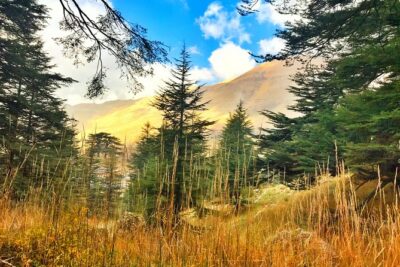
Cedars Shouf & Beiteddine w/pick-up, guide, entries+lunch
Read our review →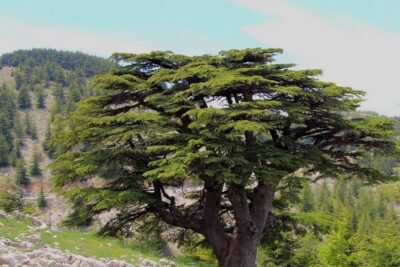
Guided small group to Cedars Reserve & Beiteddine w/lunch+entries
Read our review →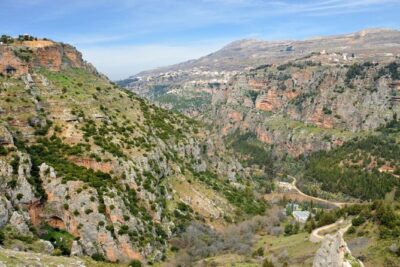
Small-Group Tour with Lunch to Qadisha Valley, Bcharre and Cedars
Read our review →
Guided Full-Day Private Trip to Cedars, Baalbek and Chateau Ksara
Read our review →Browse the lists this tour appears in