
Review · BAALBEK & ANJAR DAY TRIPS
Baalbek, Anjar & Wine: A Journey Through Lebanon’s Heritage
Ancient stones, fresh wine, one long day. This Beirut day trip links Baalbek’s Roman temples, the Umayyad ruins of Anjar, and Chateau Ksara in Lebanon’s Bekaa Valley, giving you three very different ways to understand the country. You get hotel pickup and drop-off, an air-conditioned vehicle, and a tour leader for about $55 per person.
I especially like the strong mix of archaeology and local wine, plus the small maximum group size of 15. The main drawback is that admission tickets and lunch are not included, so the final cost will be higher than the advertised price. Also, eight hours is enough for a brisk visit, but not for lingering over every carved stone.
In This Review
- Key points at a glance
- Why this Beirut day trip works
- Baalbek and the Temple of Jupiter
- The Stone of the Pregnant Woman
- Anjar’s Umayyad streets and palaces
- Chateau Ksara and the Bekaa Valley wine stop
- What the $55 price really covers
- Timing, comfort, and the pace of the day
- Who will enjoy this experience most
- Should you book Baalbek, Anjar, and Ksara?
- FAQ
- Where does the tour start?
- Is hotel pickup included?
- How long does the experience last?
- What is included in the $55 price?
- Are entrance tickets included?
- Is lunch included?
- How large is the group?
- Can I cancel or change the booking?
Key points at a glance
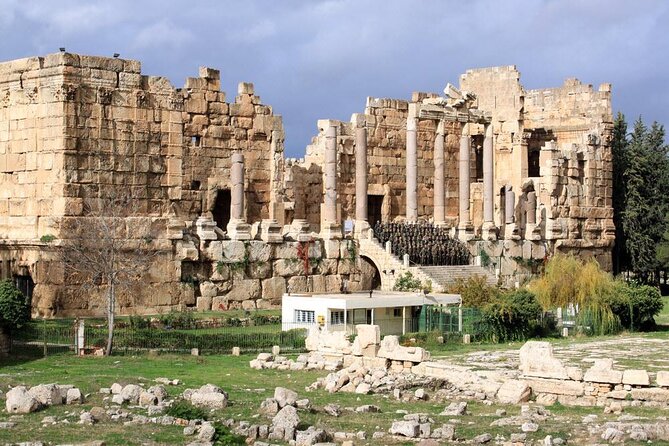
- Baalbek delivers the day’s biggest visual impact: The Temple of Jupiter includes the largest Roman columns ever built.
- The Stone of the Pregnant Woman adds a strange, memorable stop: This enormous monolith comes with an old fertility legend.
- Anjar offers a different chapter of Lebanese history: Its 8th-century Umayyad ruins combine Roman and Persian design elements.
- Chateau Ksara changes the pace: After the ruins, you spend an hour learning about Lebanese wine and tasting its range.
- The $55 price covers useful basics: Air-conditioned transport, hotel pickup and drop-off, and a tour leader are included.
- Plan for extra spending: Lunch and entrance fees are separate, and the booking cannot be refunded or changed.
Why this Beirut day trip works
Some day tours pile up similar monuments until the stones begin to blur. This one has a better rhythm. Baalbek gives you monumental Roman architecture, Anjar shifts the story to the Umayyad period, and Ksara brings you into a living local tradition.
That variety matters. I like tours that help you see a place as more than one famous site, and this route connects architecture, religion, engineering, agriculture, and food and drink in a single day.
The tour starts at 8:30 am and lasts about eight hours. That makes it a substantial outing from Beirut, not a quick side trip. You will spend part of the day on the road, but the included air-conditioned vehicle is important for comfort, particularly when the weather is warm.
The group is limited to a maximum of 15 people. That is not a private tour, but it is small enough to make the guide’s explanations easier to hear and the stops less awkward than they can be in a large coach group.
The tour leader also receives clear praise for good service and strong guiding. No guide name is provided, so you cannot request a particular person, but the human side of the experience appears to be one of its best features.
More Baalbek and Anjar day trips:
- Guided Small-Group Tour to Baalbek, Anjar and Ksara with Lunch
★ 5.0 · 511 reviews - Anjar, Baalbek & Ksara Day Trip – With Lunch (4G on Board)
★ 4.5 · 181 reviews - Baalbek – Anjar – Ksara Trip From Beirut
★ 4.5 · 80 reviews
Baalbek and the Temple of Jupiter
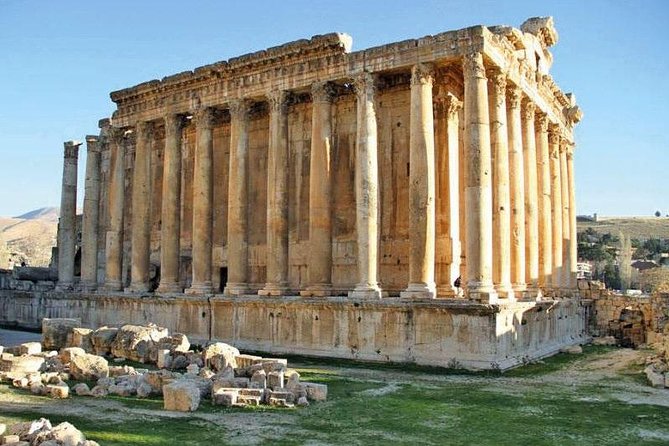
Baalbek is the main reason to book this excursion. The site is a UNESCO World Heritage location, and the scale is difficult to grasp until you are walking among the remains.
Your visit lasts about 90 minutes. That gives you time to take in the major structures and hear the broad story of the temples, but it is not a slow archaeological study. If you enjoy ancient architecture, you will want to pay attention from the start and use your time well.
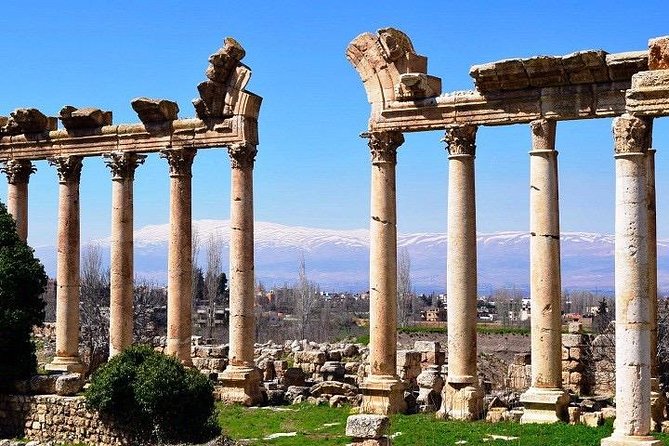
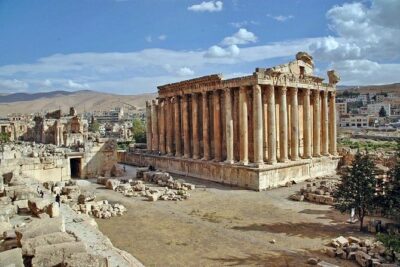
The complex includes temples dedicated to Jupiter, Bacchus, and Venus. The Temple of Jupiter is the star attraction, with the largest Roman columns ever built. Even in a ruined state, those columns make the Roman building program feel astonishingly ambitious.
Look closely at the carved stonework and the way the surviving structures frame the sky. Baalbek is not just a collection of broken walls. Its scale shows how much labor, planning, and religious purpose went into the site.
The Temple of Bacchus is another major highlight. The information supplied for the tour does not give a full guide to every structure, so your experience will depend in part on how much context the tour leader provides. Still, the site itself supplies plenty to see during a focused 90-minute visit.
Admission to Baalbek is not included. That is a small but important point when you work out the real cost. You should keep money available for the entrance fee rather than assuming the $55 covers every stop.
Because the visit is relatively short, I would not choose this tour if you want hours of quiet photography or detailed study. I would choose it if you want a practical first look at one of Lebanon’s most important ancient sites without arranging transport yourself.
The Stone of the Pregnant Woman
The Stone of the Pregnant Woman is a quick stop, lasting about 15 minutes, but it gives the day a curious change of tone.
Also called Hajar al-Hibla, the monolith is estimated to weigh around 1,000 tons and is more than 2,000 years old. Its size is the main attraction. You are looking at a single ancient stone that raises immediate questions about quarrying, moving, and building methods.
The name comes from a local legend that women who touch the stone may improve their chances of fertility. You can treat that as folklore rather than fact, but it is part of what makes the stop memorable.
Admission is free. Since you have only 15 minutes, expect a brief look rather than a long interpretive visit. The stop works best as a short addition to Baalbek, especially for anyone who enjoys unusual historical details alongside the major monuments.
I like this kind of pause because it breaks up the grand official story of temples and emperors. You get a local legend, a giant piece of stone, and a simple reminder that ancient sites are often surrounded by stories that do not fit neatly into a museum label.
Anjar’s Umayyad streets and palaces
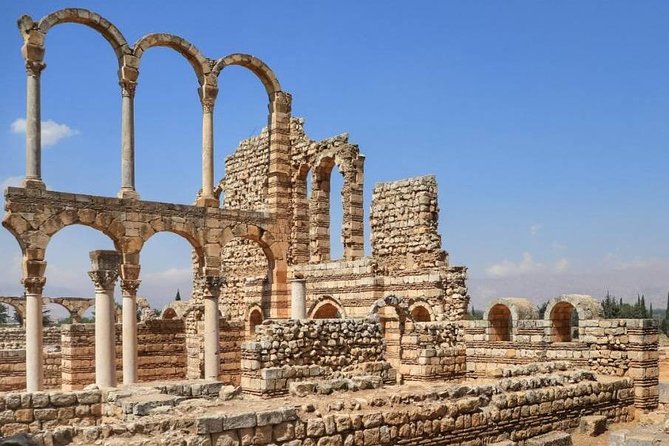
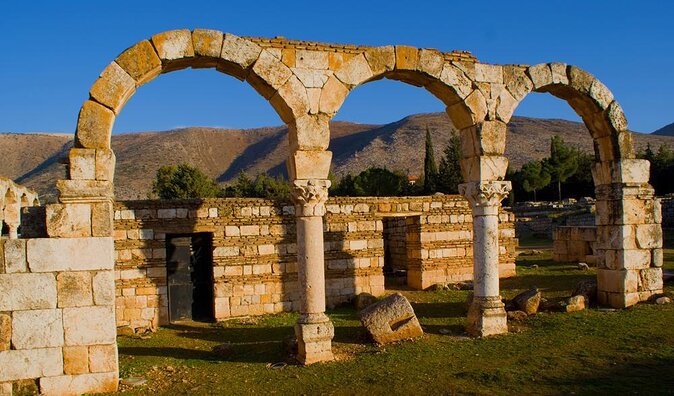
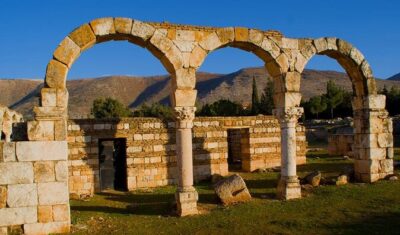
The ruins of Anjar take you into the 8th century and the period of Umayyad rule. The city was built by Umayyad Caliph Walid I, and its remains show a blend of Roman and Persian architectural styles.
Your visit lasts about 45 minutes. That is enough for a clear introduction to the site, though you should expect a quick walk through the main remains rather than an exhaustive examination of every feature.
The Great Palace, bathhouses, and mosques help you picture Anjar as a functioning city, not merely a scattering of stones. Its layout and architectural mix are the key points. After Baalbek’s Roman religious monuments, Anjar gives you a different sense of urban planning and political power.
The contrast between the two sites is one of the route’s strengths. Baalbek is famous for colossal temples and giant columns. Anjar is more about city design, changing rulers, and the meeting of Roman and Persian influences within an Arab setting.
Admission to Anjar is not included. As with Baalbek, you should budget for a separate entrance ticket. The tour price is attractive because transport and hotel service are included, but the two paid archaeological stops add to the day’s final expense.
Forty-five minutes may feel short if you are fascinated by early Islamic architecture. Still, the stop makes sense within an eight-hour schedule. You get a second major archaeological site without turning the whole day into one long march through ruins.
More Wine Tours in Beirut:
- Guided Private Full Day Tour to Baalbek, Anjar and Chateau Ksara
★ 5.0 · 60 reviews - Lebanon tour Baalbek ruins & Ksara w/pick-up, lunch,guide+entries
★ 5.0 · 35 reviews - Baalbek Temples & Ksara Caves w/pick-up,guide, entries+lunch
★ 4.9 · 34 reviews - Small Group Tours to Baalbek, Anjar & Chateau Ksara with lunch and Tickets
★ 5.0 · 29 reviews
Chateau Ksara and the Bekaa Valley wine stop
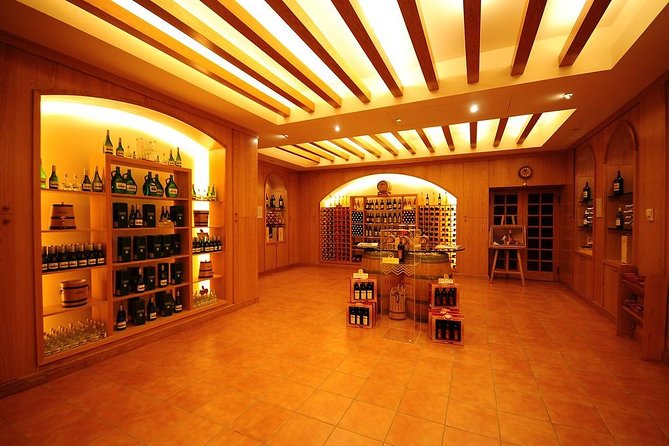
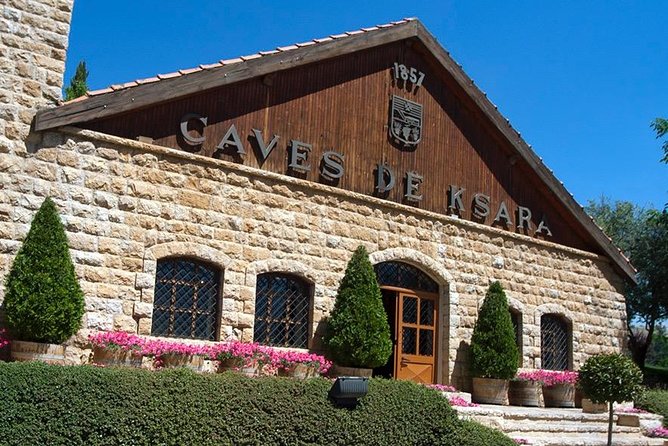
After the archaeological sites, Chateau Ksara gives you a welcome change of subject. The winery has a 150-year legacy and offers an hour focused on Lebanese wine.
You can expect a tasting that includes red and white wines, with sommeliers explaining the winemaking process in historic cellars. The experience is not simply a drink at the end of a bus ride. It introduces one of the Bekaa Valley’s established local traditions and gives the day a more relaxed finish.
I like the way this stop rounds out the route. You have seen ancient religious buildings, an Umayyad city, and a giant quarry stone. At Ksara, you meet a continuing craft shaped by the same broad region.
The one-hour visit is long enough to sample several styles and learn the basic story of the winery. It is not a full vineyard program or a long food-and-wine meal. Lunch is not included, and the supplied details do not specify that food is paired with the tasting, so you should plan accordingly.
Admission to Chateau Ksara is also separate. That makes it especially important to ask about the tasting and entrance cost when you book or meet the tour leader. The listed $55 price should be viewed as the cost of the day’s transport and guiding, not the complete cost of every activity.
If you do not drink wine, the stop may be less appealing than the archaeological visits. For anyone interested in Lebanese wine, however, it adds a useful local dimension and gives you a chance to slow down before returning to Beirut.
What the $55 price really covers
At $55 per person, this is a reasonably priced way to reach several destinations that would be difficult to connect without private transport. The included air-conditioned vehicle, hotel pickup and drop-off, and tour leader are the core value.
You are paying for convenience as much as for sightseeing. Instead of arranging separate transport to Baalbek, Anjar, and Ksara, you have one organized route from Beirut. Hotel service also removes the need to find your way to a distant meeting point.
The group limit of 15 improves the value. You will not have the intimacy of a private guide, but a smaller group usually makes it easier to keep the schedule moving and hear practical explanations.
Still, do not mistake the low headline price for an all-inclusive day. You must pay separately for:
- Baalbek admission
- Anjar admission
- Chateau Ksara admission or tasting
- Lunch
The tour can still be good value after those costs, but you should calculate your personal budget before booking. If you want an inexpensive introduction to Lebanon’s cultural highlights, it makes sense. If you dislike paying extra at several stops, a higher-priced package with admissions included might feel simpler.
Timing, comfort, and the pace of the day
The 8:30 am start is sensible for a full day outside Beirut. You will need to be ready early, particularly because the route includes several stops and hotel pickup.
The total duration is about eight hours. That means you should think of this as a structured day with fixed visit times. Baalbek receives the most time at 90 minutes, while the Stone of the Pregnant Woman gets 15 minutes and Anjar 45 minutes. Ksara receives one hour.
This timing gives you a broad picture rather than deep time at one place. I would choose it for a first visit, a short stay in Lebanon, or a day when you want someone else to handle the driving. I would not choose it if your main goal is extensive photography, private archaeological research, or a long winery lunch.
The air-conditioned vehicle is a practical inclusion. The route includes outdoor ruins and a sizable amount of movement, so a comfortable ride matters. Hotel pickup and drop-off also make the day easier at both ends.
Most people can participate, according to the supplied tour information. No detailed accessibility information is provided, so anyone with specific mobility needs should confirm the practical arrangements before booking.
Who will enjoy this experience most
You are a strong match for this tour if you want several major sights in one day and prefer organized transport from Beirut. It suits first-time visitors who want context, variety, and a clear route without hiring a private car.
History fans will get the most from Baalbek and Anjar. The temples provide the dramatic photographs, while Anjar adds a less familiar period and architectural style. The Stone of the Pregnant Woman is ideal for anyone who enjoys odd details and local legends.
Wine lovers will appreciate Chateau Ksara, especially because the tasting includes both reds and whites and takes place in historic cellars. The winery is also a useful counterpoint to the ancient sites.
Families and mixed-interest groups may like the changing pace. One person can focus on Roman architecture, another on early Islamic ruins, and another on wine. The group size of up to 15 keeps the experience more manageable than a large bus excursion.
You may want another option if you need a very slow pace, want lunch included, or prefer every admission fee to be settled in advance. You should also think carefully before booking if your plans may change, since the experience is non-refundable and cannot be amended after purchase.
Should you book Baalbek, Anjar, and Ksara?
Book it if you want an efficient introduction to three very different parts of Lebanon’s heritage. The mix is the real attraction: colossal Roman temples, a short stop at an enormous ancient stone, an Umayyad city, and a respected winery.
The tour is strongest for a first visit or a short Beirut stay. You get transport, hotel service, a tour leader, and a small group at a modest starting price. Just budget for lunch and all three admission stops, and accept that the schedule favors breadth over long visits.
If you do that, the day offers strong value and excellent variety. The praised service and guide support add to the appeal, but the ancient monuments remain the main reason to go.
FAQ
Where does the tour start?
The tour starts in Beirut, with a stated start time of 8:30 am.
Is hotel pickup included?
Yes. Hotel pickup and drop-off are included.
How long does the experience last?
The tour lasts approximately eight hours.
What is included in the $55 price?
The price includes an air-conditioned vehicle, hotel pickup and drop-off, and a tour leader.
Are entrance tickets included?
No. Admission tickets for Baalbek, Anjar, and Chateau Ksara are not included.
Is lunch included?
No. Lunch is not included in the tour price.
How large is the group?
The maximum group size is 15 people.
Can I cancel or change the booking?
No. The experience is non-refundable and cannot be changed for any reason.
More Historical Tours in Beirut
- PRIVATE Beirut Historical Walking Half Day Tour
★ 5.0 · 27 reviews - Historical Beirut Tour (AM) Half Day – (4G on Board)
★ 4.0 · 16 reviews - Temple of Eshmun – Mleeta Landmark – Beaufort Castle
★ 5.0 · 9 reviews - Guided Half-Day Private Beirut Historical Tour
★ 5.0 · 6 reviews
Just added around Beirut
- Private Full-Day Tour to Jeita Grotto, Harissa and Saint Charbel from Beirut★ 5.0 · 3 reviews
- Beirut to Jeita Grotto and Byblos: Daily Tours with Lunch★ 5.0 · 3 reviews
- PRIVATE city tour of Old Sidon & Historic Tyre★ 5.0 · 3 reviews
- Journey Through Time: Half-Day Private Tour to Baalbek★ 5.0 · 3 reviews
- Small-Group Tour to Sidon, Tyre and Maghdouche with Lunch and Tickets★ 4.5 · 3 reviews
- Beirut to Sidon, Tyre and Maghdouché: Daily Tours with Lunch★ 5.0 · 3 reviews
- Hike Chouwen★ 5.0 · 3 reviews
- Private Full-Day Tour to Byblos and Tripoli from Beirut★ 5.0 · 3 reviews
Baalbek & Anjar Day Trips, compared.
Guided Small-Group Tour to Baalbek, Anjar and Ksara with Lunch
Read our review →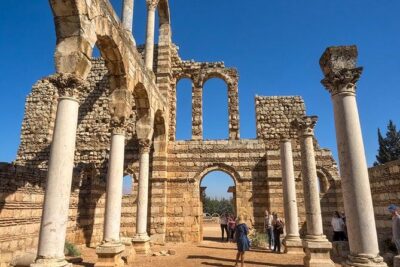
Anjar, Baalbek & Ksara Day Trip – With Lunch (4G on Board)
Read our review →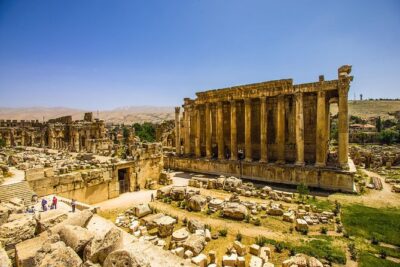
Private Anjar and Baalbek Tour from Beirut with Departure Ticket
Read our review →
Guided Private Full Day Tour to Baalbek, Anjar and Chateau Ksara
Read our review →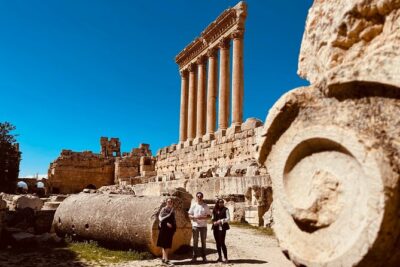
Lebanon tour Baalbek ruins & Ksara w/pick-up, lunch,guide+entries
Read our review →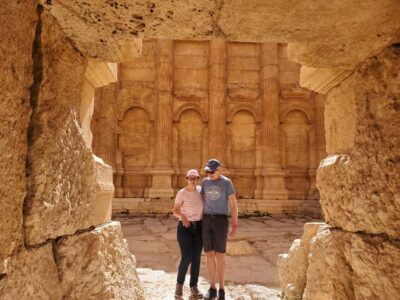
Baalbek Temples & Ksara Caves w/pick-up,guide, entries+lunch
Read our review →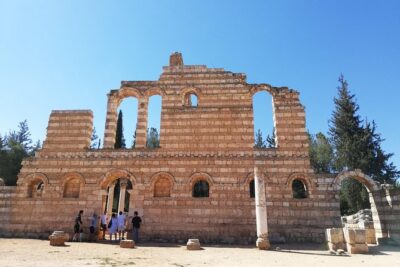
Small Group Tours to Baalbek, Anjar & Chateau Ksara with lunch and Tickets
Read our review →Browse the lists this tour appears in