Review · TOURS
Best Tours in Lebanon, 3-days-with Pick-up & Drop-off
Lebanon rewards a well-planned sweep. This three-day tour links the country’s biggest sights, from the underground chambers of Jeita Grotto to the Roman temples of Baalbek, with hotel pickup and drop-off from Beirut. I especially like the wide range of places covered and the small-group format, which can make the price sensible for a solo visitor. The main drawback is that entrance fees are extra, and the schedule leaves limited time for wandering on your own.
You’ll also get air-conditioned transport, an English-speaking local group leader, and short explanations at each stop. Guides such as Ali, Harake, and Zayd have been praised for their warmth, humor, patience, and careful timing, though one guest found the background at Byblos and Baalbek too brief. If you want maximum sightseeing without sorting out Lebanese transport, this is a strong three-day introduction.
In This Review
- Five useful things to know before booking
- Why this three-day route works from Beirut
- Day one: limestone chambers, Harissa, and old Byblos
- Byblos gives day one its strongest sense of place
- Day two: Sidon’s souks and the Roman remains at Tyre
- Maghdoucheh adds a quieter religious stop
- Tyre brings Phoenician and Roman layers together
- Day three: Anjar and the colossal temples of Baalbek
- Baalbek is the tour’s great architectural payoff
- Guides, communication, and the pace of the days
- Who should book this Lebanon tour?
- FAQ
- How long is the tour?
- Where does pickup take place?
- What time does the tour start?
- How many people can join the group?
- Is transportation included?
- Are entrance fees included?
- Is lunch included?
- What happens if the weather is poor?
- My booking verdict
Five useful things to know before booking
- You cover Lebanon’s major historic routes: The program reaches the coast, the Bekaa Valley, and the country’s best-known Roman and Phoenician sites.
- Hotel transfers save real effort: Pickup and drop-off at Beirut hotels remove the need to arrange intercity transport yourself.
- The group is capped at 15 people: That is small enough to keep the vehicle manageable, though it is not a private tour.
- Entry fees are not bundled in: Jeita Grotto, the Harissa cable car, Byblos Castle, Sidon’s Soap Museum, Tyre’s archaeological sites, Anjar, and Baalbek may require separate payment.
- The days are full but sensibly timed: Expect early starts, several short stops, and long drives balanced by time at major sites.
- Lunch arrangements vary: Lunch is included on one day, while other meals and any extra food are your responsibility.
Why this three-day route works from Beirut
Lebanon is compact on a map, but road travel can take time. The coastal cities, mountain sites, and Bekaa Valley attractions do not fall neatly into one easy public transport route. Having the same company arrange the driving gives you a practical way to see far more than Beirut in a short stay.
The vehicle is air-conditioned, and fuel is included. That matters during warm weather and on days with repeated climbs, walks, and archaeological visits. You are not constantly negotiating taxis or checking the next bus. The tradeoff is that you follow a fixed schedule, so a particularly charming café, market stall, or seaside corner may get only a quick look.
The group limit of 15 is helpful. It keeps the experience more personal than a large coach excursion, while still allowing a lower price than a private car. Solo visitors may find this especially useful, since the company can provide transport, company, and a loose social setting without the cost of hiring a vehicle alone.
The stated price is $225 per person for three days. That works out to $75 per day before entrance fees and meals not included in the package. For someone who wants to visit Jeita, Byblos, Sidon, Tyre, Anjar, and Baalbek without arranging separate cars, the value is quite good. You should still budget for admission tickets, the cable car if operating, and meals beyond the included lunch.
Trips travellers in Beirut tend to pair with this one:
- Guided Small-Group Tour to Baalbek, Anjar and Ksara with Lunch
★ 5.0 · 511 reviews - Guided Small-Group Tour to Jeita, Harissa, Byblos with Lunch
★ 5.0 · 361 reviews - Paragliding Trip Over Lebanon – Jounieh Bay
★ 5.0 · 257 reviews
Day one: limestone chambers, Harissa, and old Byblos
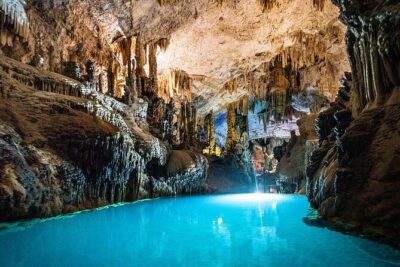
Pickup begins around 8:30 in the morning from your Beirut hotel. The first major stop is Jeita Grotto, a remarkable system of limestone caves with upper and lower sections extending for almost 10 kilometers in total.
You get about an hour to explore. The attraction is the setting itself: smooth, sculpted rock, underground chambers, and formations shaped by water over long periods. It feels like a change of world from the city and coast outside. Wear shoes that are comfortable for walking, and remember that the admission charge is not included.
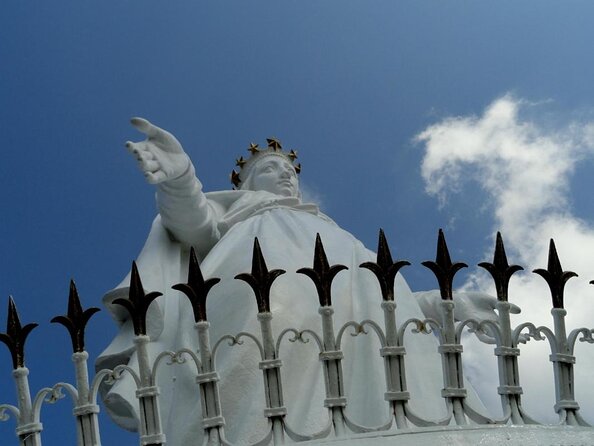
The schedule then climbs toward Harissa, where the Virgin Mary statue and the Shrine of Our Lady of Lebanon look over Jounieh Bay. The listed visit time is about 30 minutes, enough for the main viewpoint, photographs, and a quick look around the religious site.
Harissa gives you one of the tour’s best changes of scenery. The route rises through the mountain, and the view opens toward the bay and surrounding hills. The shrine is free to visit, but the Teleferique Harissa cable car costs extra. If it is operating, you ride from Harissa down toward Jounieh for about 30 minutes. If it is closed, the vehicle continues by road.
That cable car detail is worth checking in advance if the ride matters to you. The itinerary includes both Harissa viewpoints and the cable-car experience, but the operator may need to use the car instead when conditions or opening schedules prevent the ride.
Byblos gives day one its strongest sense of place
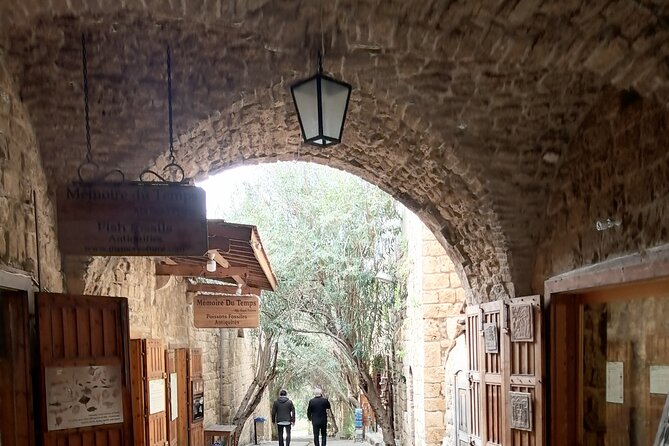
Byblos is one of the world’s oldest continuously inhabited cities and a UNESCO World Heritage Site. The route allows roughly an hour and a half around the town, although the individual stop times suggest the visit is divided between the port, archaeological area, castle, and souk.
The old port is an easy place to begin. From the marina, you can look toward the Crusader castle, stroll beside the water, and reach the old market streets. The port area gives the ancient city a lived-in feel rather than presenting it as a fenced-off archaeological park.
Byblos Castle, also called the Castle of Gibelet, is next to the Phoenician archaeological remains. It is an optional paid entry, so you can decide if the extra ticket fits your interests and budget. The castle also gives you a useful visual link between the medieval Crusader period and the much older temples nearby.
The old souk is free to walk through. Local shops sell crafts, antiques, souvenirs, and other goods. You may find the shopping time more appealing than the formal ruins, especially if you want to see how the old town functions today. Still, the stop is brief, so do not expect a long browsing session.
Lunch is arranged at a traditional restaurant near the Byblos port, with Mediterranean Lebanese food. After lunch, you return to Beirut. The first day combines nature, a mountain shrine, coastal scenery, archaeology, and food, which makes it a varied introduction rather than a day devoted to one period of history.
Day two: Sidon’s souks and the Roman remains at Tyre
Day two starts earlier, around 8:15 a.m. The route heads south to Sidon, a Phoenician city with a long commercial and religious role in the region. The first stop is the Crusaders Sea Castle, positioned by the water.
The castle is a paid site and receives about an hour. Its seaside location is the main attraction. From the old fortifications, you get a different view of Sidon, with the harbor and city forming the setting. This is a good place to listen carefully to the guide because the stonework reflects the city’s strategic position.
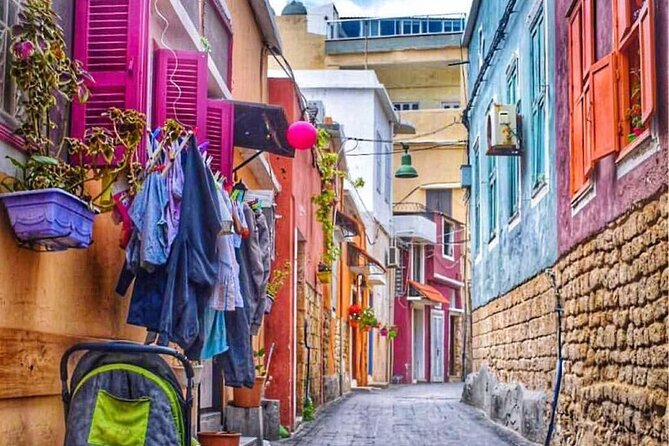
From there, you walk into the old souks. The covered lanes connect the Sea Castle area with the inland parts of the old city, including the direction of St. Louis Castle. The markets retain old vaulted passages, small workshops, and shops selling local goods. The route also passes Khan El Franj, a large courtyard khan built for merchants and goods, and Debbaneh Palace, an Ottoman-era house dating to 1721.
These stops are valuable because they show Sidon as a working city, not just an ancient name on a map. You may see craftspeople at work, coffeehouse culture, and the daily activity around the harbor. The passage through the souks can be uneven and involves walking, so comfortable footwear is useful.
The Soap Museum occupies an old soap factory with parts believed to date as far back as the 13th century. The visit explains how olive-oil soap was made and connects the craft with traditional hammam bathing customs. A demonstration of soap production is part of the appeal, though the admission fee is separate.
The Great al-Omari Mosque is a very short stop, listed at about five minutes. The building was once a Crusader church dedicated to St. John of the Hospitalers, and its restored rectangular walls remain imposing from the seaside. Because the visit is brief, you should treat it as a quick architectural note rather than a full mosque visit.
A different idea for your next day out:
- Jeita Grotto,Harissa&Byblos Full-Day PRIVATE-CAR Trip from Beirut
★ 5.0 · 222 reviews - First Paragliding Club in Lebanon – Since 1992
★ 5.0 · 193 reviews - Anjar, Baalbek & Ksara Day Trip – With Lunch (4G on Board)
★ 4.5 · 181 reviews - Jeita Grotto – Harissa – Byblos Trip
★ 5.0 · 169 reviews
Maghdoucheh adds a quieter religious stop
The route continues to Maghdoucheh and the Shrine of Our Lady of Mantara, also known as Our Lady of Awaiting. The site includes a tower with a statue of the Virgin and Child, a cathedral, a cemetery, and a sacred cave.
The cave is traditionally associated with the place where the Virgin Mary rested while waiting for Jesus. The visit lasts about 50 minutes and offers a change from the busy markets and large ruins of the coast. Dress respectfully, as this is an active religious setting.
Tyre brings Phoenician and Roman layers together
In Tyre, the first stops are around the old port and traditional beach houses. The walking time is short, about 15 minutes at each listed stop, so you will get an impression of the waterfront rather than a leisurely beach visit.
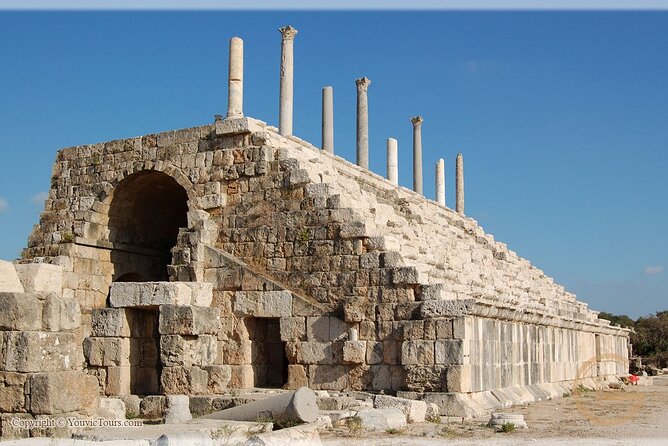
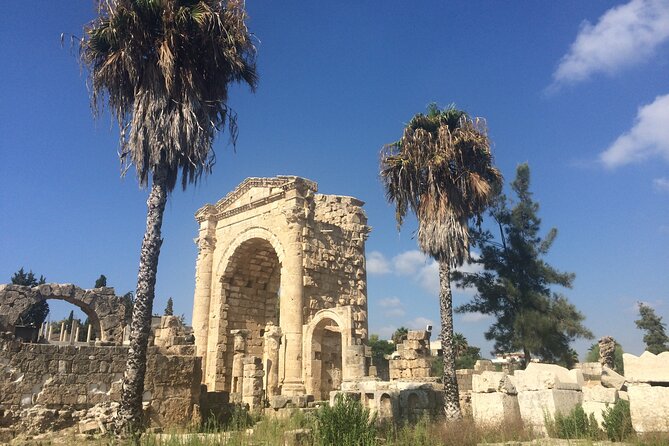
The main archaeological visit is the Roman Hippodrome, a UNESCO World Heritage Site. The horseshoe-shaped arena measures about 480 meters by 90 meters and once held up to 20,000 spectators for chariot racing. Its size is hard to grasp until you walk along the remains. The admission fee is extra.
The Al-Bass Archaeological Site adds a Roman and Byzantine layer. You can see a triumphal arch, a Roman road, an aqueduct, and a Byzantine road. Allow about an hour here, and expect plenty of walking in an open archaeological area.
Tyre is the longest and most varied day. Sidon alone includes a castle, markets, a museum, a mosque, and a historic khan, then the route continues farther south to Maghdoucheh and Tyre. Lunch is taken at a traditional fast-food restaurant before the return to Beirut, with the drive taking another substantial part of the afternoon.
Day three: Anjar and the colossal temples of Baalbek
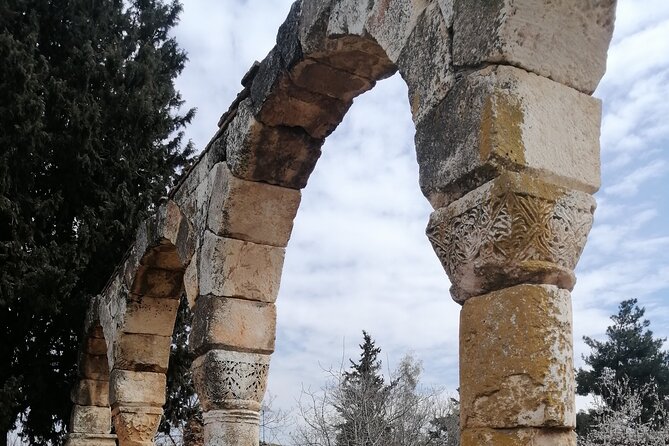
The third morning begins around 8:30 a.m. and heads east into the Bekaa Valley. The road passes farming areas between Mount Lebanon and the Anti-Lebanon Mountains. The valley is described as about 120 kilometers long and 16 kilometers wide on average, so the journey gives you a look at a major agricultural part of the country as well as the archaeological sites ahead.
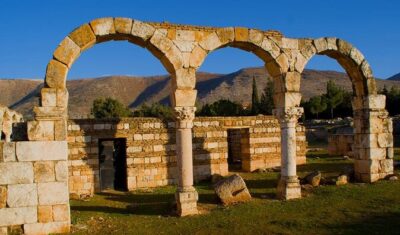
Anjar was founded by Caliph Walid I in the early eighth century. Its ruins follow a highly regular plan, with walls, palace areas, a mosque, thermal baths, and rows of columns. Roman architectural elements appear in the Umayyad city, creating an interesting blend of influences.
The main Anjar visit takes about an hour, with a further 30 minutes listed for the Umayyad ruins. Admission is not included. The site is less instantly famous than Baalbek, but I like its clear city plan. You can more easily picture streets, courtyards, and formal buildings here than at a ruin made up mainly of isolated columns.
A short stop at the Mosque of Sayeda Khawla in Baalbek follows. The shrine is associated with Sayyida Khawla, the daughter of Imam al-Hussein, and is an important religious site for those who visit it. The visit adds a modern spiritual dimension before the grand Roman complex.
Baalbek is the tour’s great architectural payoff
Before entering the main complex, you stop at Hajar al-Hibla, or the Stone of the Pregnant Woman. This worked Roman monolith is among the largest stones ever quarried, along with another huge block nearby. The site helps explain the scale of the construction that awaits at Baalbek.
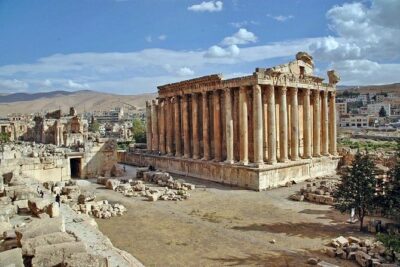
The Baalbek temple complex was known as Heliopolis during the Hellenistic and Roman periods. Its major monuments include the Temple of Jupiter and the Temple of Bacchus, both part of a UNESCO World Heritage Site. The remains were built over more than two centuries and formed a major sanctuary devoted to the Romanized Heliopolitan triad of Jupiter, Venus, and Bacchus.
The Temple of Bacchus is among the best-preserved Roman temples of its size. Its carved details remain striking, and the surviving columns and doorway give you a strong sense of the original structure. The Temple of Jupiter was even larger, with columns about 30 meters high and a diameter of nearly 2.5 meters.
The schedule provides roughly 45 minutes to an hour and a half across the temple complex and its separate points of interest. That is enough for a first look, photographs, and a basic explanation, but not enough for every architectural detail. This is the place to ask questions. One criticism of the experience is that explanations at Baalbek and Byblos can feel too short, depending on which guide leads your day.
The tour ends with lunch at a traditional restaurant in Baalbek, including choices such as meat, chicken, vegetarian dishes, and snacks. Then you return to Beirut. After three days, you will have seen an impressive cross-section of Lebanon, although you may want a slower return visit to whichever site captured your imagination most.
Guides, communication, and the pace of the days
The strongest personal element is the guide service. Ali is praised for his humor, while Harake is described as polite, warm, patient, and willing to answer many questions. Zayd has also led earlier days for some bookings. You may have one guide for all three days or different guides on different days, so the exact style can vary.
Communication about pickup times is handled through WhatsApp for some bookings. That is useful because the start times differ slightly by day, and the company can send the next day’s pickup details. Reports also describe punctual pickups and clean, air-conditioned vehicles.
The pace suits you if you prefer seeing major sites over lingering. Expect several short visits, long road sections, and a full day in the south. It is not designed for slow photography, extended shopping, or independent exploration. The advantage is that you reach places that would be hard to connect by yourself in only three days.
Most people can participate, and the group maximum is 15. The supplied details do not promise a private vehicle or a specific accessibility setup, so anyone needing special arrangements should ask before booking.
Who should book this Lebanon tour?
I would choose this tour if you have only a few days in Lebanon and want the main coastal, mountain, and inland highlights. It is particularly useful for solo visitors, first-time visitors, and anyone who does not want to arrange several long-distance transfers.
It also suits people who value local contact. The guides are not simply drivers in the best accounts. Ali, Harake, and Zayd have been described as friendly, attentive, and willing to share stories about the country. Still, I would prepare a short list of questions and read a little about Byblos and Baalbek before going, since the explanations can be brief at some stops.
You may want a different plan if your priority is unhurried museum visits, long beach time, or detailed specialist archaeology. Entrance fees are separate, and the package price does not cover every meal. The free-cancellation policy allows a full refund when you cancel at least 24 hours before the start, while cancellations inside 24 hours are not refunded. Poor weather can lead to a different date or a full refund.
FAQ
How long is the tour?
The experience lasts approximately three days, with morning departures from Beirut hotels on each day.
Where does pickup take place?
Pickup and drop-off are offered from hotels in Beirut.
What time does the tour start?
Day one and day three begin at about 8:30 a.m. Day two begins at about 8:15 a.m.
How many people can join the group?
The maximum group size is 15 people.
Is transportation included?
Yes. Hotel pickup and drop-off, an air-conditioned vehicle, fuel surcharge, and local transport between sites are included.
Are entrance fees included?
No. Entrance fees are excluded for several attractions, including Jeita Grotto, the Harissa cable car, Byblos Castle, the Soap Museum, Tyre’s archaeological sites, Anjar, and Baalbek.
Is lunch included?
Lunch is included on one day. The supplied tour details also describe traditional restaurant meals on the other days, but you should confirm exactly which meal is covered when booking.
What happens if the weather is poor?
The experience requires good weather. If it is canceled because of poor weather, you will be offered another date or a full refund.
My booking verdict
Book it if you want to see a large share of Lebanon’s major sights in three organized days. The combination of hotel transfers, a group capped at 15, air-conditioned transport, and friendly local guides gives the $225 price solid value, even after allowing for admission fees.
Go in with realistic expectations. You will see a lot, but you will not have hours at each place. For a first visit, that tradeoff is worthwhile. If you want an efficient overview with human guidance and minimal transport stress, this is one of the better ways to use three days in Lebanon.
Just added around Beirut
- Private Full-Day Tour to Jeita Grotto, Harissa and Saint Charbel from Beirut★ 5.0 · 3 reviews
- Beirut to Jeita Grotto and Byblos: Daily Tours with Lunch★ 5.0 · 3 reviews
- PRIVATE city tour of Old Sidon & Historic Tyre★ 5.0 · 3 reviews
- Journey Through Time: Half-Day Private Tour to Baalbek★ 5.0 · 3 reviews
- Small-Group Tour to Sidon, Tyre and Maghdouche with Lunch and Tickets★ 4.5 · 3 reviews
- Hike Chouwen★ 5.0 · 3 reviews
- Beirut to Sidon, Tyre and Maghdouché: Daily Tours with Lunch★ 5.0 · 3 reviews
- Private Full-Day Tour to Byblos and Tripoli from Beirut★ 5.0 · 3 reviews
Tours, compared.
Guided Small-Group Tour to Baalbek, Anjar and Ksara with Lunch
Read our review →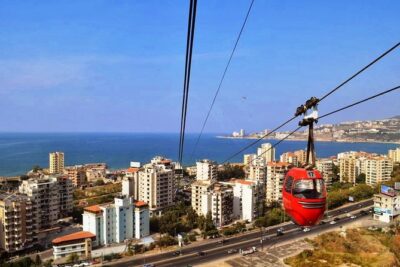
Guided Small-Group Tour to Jeita, Harissa, Byblos with Lunch
Read our review →
Private Anjar and Baalbek Tour from Beirut with Departure Ticket
Read our review →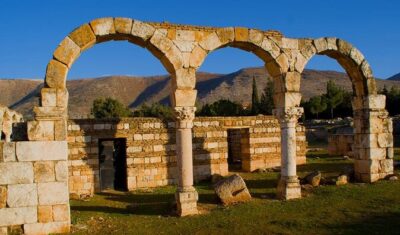
Guided Private Full Day Tour to Baalbek, Anjar and Chateau Ksara
Read our review →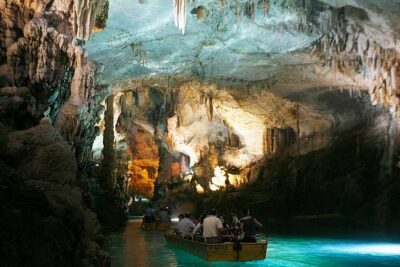
Semi-Private Tour to Jeita Grotto, Harissa & Byblos with Lunch
Read our review →
PRIVATE city Tour of authentic Tripoli and vibrant Batroun
Read our review →