
Review · TRIPOLI & BATROUN TOURS
PRIVATE city Tour of authentic Tripoli and vibrant Batroun
North Lebanon rewards curious visitors. This 6 to 7 hour private tour links Tripoli’s old souks and Crusader Citadel with Batroun’s Phoenician waterfront, giving you two very different views of Lebanon in one day. I like the strong mix of history and food, especially the stop at Hallab 1881, and I like having hotel pickup with a driver-guide who can explain modern Lebanon as well as its past. The main trade-off is time: with two cities, a fortress, souks, and a sweets stop in one day, some visits may feel brief.
The tour costs $113.34 per person, with group discounts available, and usually begins at 9:00 a.m. The small-group format, capped at 15 people, keeps it more personal than a large coach outing. Still, you should expect walking in Tripoli, warm conditions in the warmer months, and no included lunch.
In This Review
- Key points to know before booking
- Why this north Lebanon day trip works
- Starting in Batroun beside the Phoenician Wall
- Entering Tripoli through the souks and old city
- Climbing to Citadel Saint Gilles
- Taking a sweet break at Hallab 1881
- What the guide adds to the experience
- Transport, timing, and the real value of $113.34
- Who will enjoy this tour most
- Practical tips for a smoother day
- FAQ
- Where does the tour start?
- How long does the experience last?
- What cities does the tour visit?
- Is the Phoenician Wall included?
- Is entry to Citadel Saint Gilles included?
- Is lunch included?
- How many people can join the tour?
- Can I cancel for a full refund?
- Should you book the Tripoli and Batroun tour?
Key points to know before booking
- Batroun’s Phoenician wall gives you a quick coastal introduction before the day turns toward Tripoli.
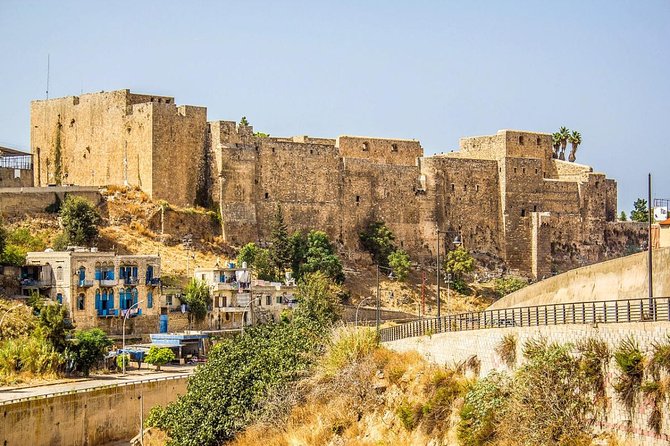
- Saint Gilles Citadel combines Crusader, Mamluk, and Ottoman layers in one imposing fortress.
- Hallab 1881 is more than a tasting stop: you can see a long family pastry tradition and ask about the sweets.
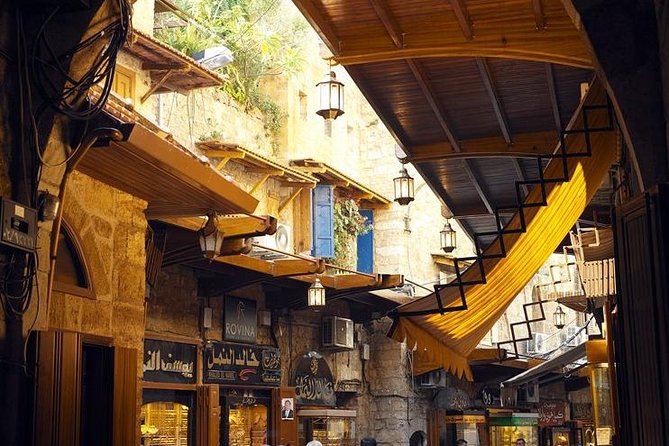
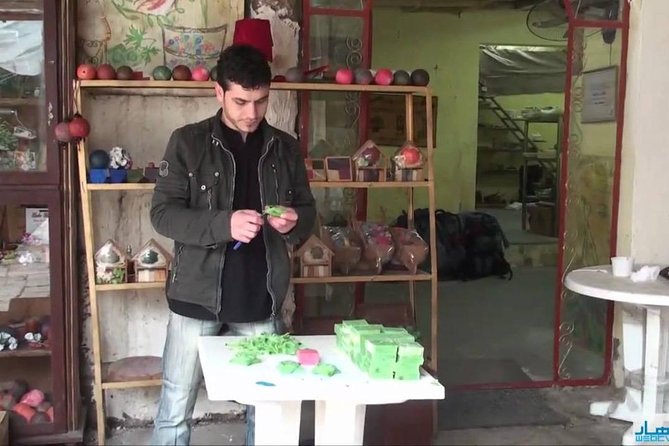
- Tripoli’s souks offer a more local, less polished side of Lebanon, with craftsmen working in the old city.
- Guide Dave is frequently praised for clear English, humor, personal stories, and an ability to explain difficult Lebanese history simply.
- Hotel pickup and drop-off make the tour practical from Beirut, but lunch, drinks, and personal purchases are extra.
Why this north Lebanon day trip works
From Beirut, it is easy to spend your whole visit in the capital and miss the different character of northern Lebanon. This outing fixes that problem in one long day. Batroun feels coastal and relaxed, while Tripoli is more intense, historic, and closely tied to everyday local life.
I like the contrast. You are not seeing two versions of the same city. Batroun brings old stone, sea views, cafes, beaches, breweries, wineries, and Phoenician remains. Tripoli brings covered market lanes, working craftspeople, religious and commercial buildings, a hilltop fortress, and a pastry culture that is famous across Lebanon.
The schedule is busy, but the route makes sense. The listed stops include about 45 minutes at the Phoenician Wall, an hour at Saint Gilles Citadel, and an hour at Hallab 1881. The remaining time covers the drive from Beirut, time in the souks, transitions between stops, and hotel pickup and return.
The experience is offered as a private city tour, though the operating details allow up to 15 people. That means you should clarify the final group arrangement if you are booking for only one or two people. The small touring bus described by one solo participant sounds more comfortable than a standard full-size coach.
More Tripoli and Batroun tours:
- Aaqoura Lakes – Baatara Waterfall – Batroun
★ 4.5 · 55 reviews - Guided Small-Group Tour to Tripoli and Batroun with Lunch
★ 5.0 · 16 reviews - Tripoli City Lebanon Trip
★ 5.0 · 7 reviews
Starting in Batroun beside the Phoenician Wall
Batroun makes a pleasant first stop because it eases you into the day. The Phoenician Wall is a free outdoor visit, scheduled for about 45 minutes. You can expect an introduction to Batroun’s old streets and its long connection with the sea.
The wall is the key historical feature here, but Batroun’s appeal is broader. The town is also known for beaches, bed-and-breakfast accommodation, cafes, breweries, and wineries. The tour description presents these as part of Batroun’s character, not as separate guaranteed stops, so do not assume you will visit a brewery, winery, or beach unless the guide confirms it.
I like this stop as a way to see a calmer side of Lebanon. The old streets and stonework give the town a sense of age, while the coastal setting keeps the mood light. You have time to walk, take photographs, and hear about Batroun before moving inland toward Tripoli.
The limitation is the short visit. Forty-five minutes is enough for a look around the wall and nearby streets, but not enough for a full town exploration. If Batroun is your main interest, a separate visit would allow more time for its cafes, shoreline, and other attractions.
Entering Tripoli through the souks and old city
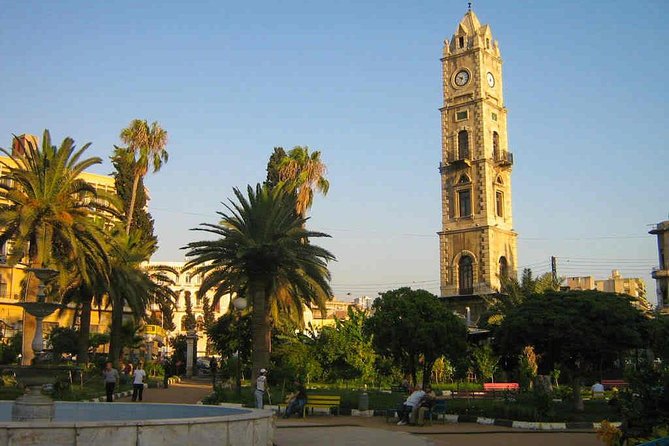
Tripoli is the heart of this tour. It feels distinct from Beirut, with a more local atmosphere and fewer of the international touches that shape the capital. The old city is not presented as a museum set. It is a working part of town, where commercial life, crafts, food, and historic buildings sit side by side.
The experience highlights the old souks and local craftsmen. That matters because the market lanes show how Tripoli’s heritage remains connected to daily work. Instead of only looking at restored facades, you may see artisans at work and shops serving local customers.
The souks can be demanding in warm weather. One useful tip is to bring water, wear comfortable shoes, and use sun protection. The walking is described as moderate, but the combination of uneven streets, heat, and several hours on foot may be tiring for anyone with limited mobility.
Your guide is an important part of this section. Dave, also referred to as David, is praised for explaining Lebanese history in clear English, using humor and simple comparisons to make complex subjects easier to follow. He also talks about daily life and recent events, giving the old city a connection to the Lebanon you see today.
That personal element is especially useful in Tripoli. A guide can explain why one lane is devoted to a certain trade, how buildings have changed, and how local life fits around the monuments. The best moments may come between formal stops, when you can ask questions and adjust the pace.
Climbing to Citadel Saint Gilles
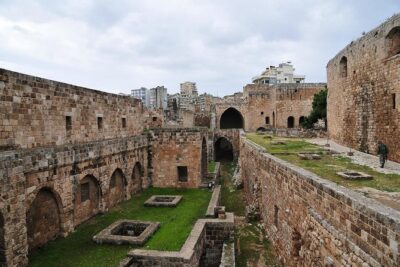
The Citadel Saint Gilles, also called Qal’at Sinjil, is the day’s major fortress visit. It rises above Tripoli and the river, making it both a historical site and a strong vantage point over the city.
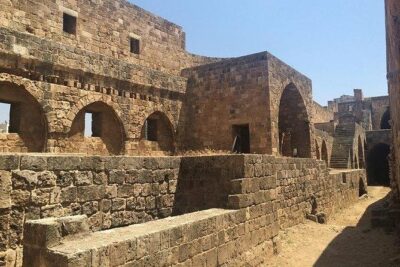
The fortress was originally built between 1103 and 1104 during the Crusader period. It was burned in 1297 and partly rebuilt in the following century by a Mamluk emir. The building is still used by the Lebanese military, so the site carries more than one historical layer and remains connected to the present.
Allow about an hour here. The entrance is the most striking part, with a moat and three gateways associated with Ottoman, Mamluk, and Crusader construction. That sequence gives you a quick visual lesson in how power changed hands over the centuries.
Inside, information panels and a small museum add context. I would not expect a large museum collection or a fully reconstructed medieval fortress. The attraction is the structure itself, the entrance, the views, and the way several periods are visible in one place.
The citadel is also where the guide’s storytelling can add real value. Dates and dynasties are easier to remember when someone links them to the building in front of you. Dave’s ability to discuss both Lebanon’s long past and its recent difficulties is repeatedly praised, and this is the stop where that background can make the most difference.
Wear shoes with a good grip and be ready for stairs or uneven ground. The supplied information calls for moderate physical fitness, so this is not designed as a completely effortless sightseeing ride.
More tours and day trips worth a look
- Jeita Grotto,Harissa&Byblos Full-Day PRIVATE-CAR Trip from Beirut
★ 5.0 · 222 reviews - Private Anjar and Baalbek Tour from Beirut with Departure Ticket
★ 5.0 · 79 reviews - Guided Private Full Day Tour to Baalbek, Anjar and Chateau Ksara
★ 5.0 · 60 reviews - Semi-Private Tour to Jeita Grotto, Harissa & Byblos with Lunch
★ 5.0 · 52 reviews
Taking a sweet break at Hallab 1881
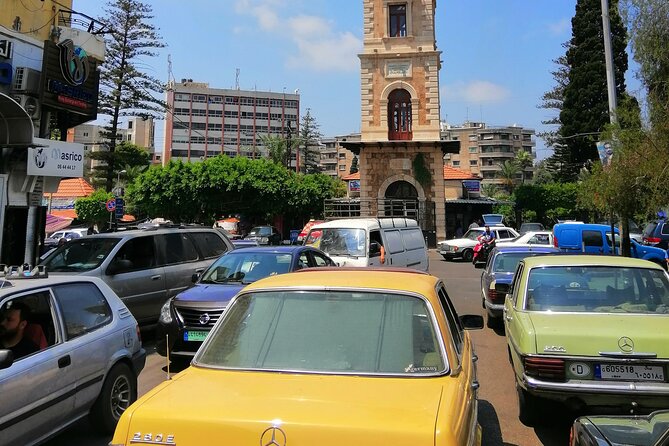
Hallab 1881 is one of the tour’s most distinctive stops. Tripoli is famous for Lebanese sweets, and this pastry house traces its beginnings to 1881, when a family of chefs started a large sweets factory in the city.
The visit is planned for about an hour, which is generous compared with many quick tasting stops. You can expect a wide selection of pastries rather than only baklava. The chef is available to explain the different flavors and styles, giving you a chance to ask questions before choosing what suits you.
This is a good example of food acting as history. A pastry shop can tell you about family business, local taste, hospitality, and the way recipes are carried through generations. It also gives your feet a break after the souks and fortress.
I would save room for this stop. The wording suggests tasting and personal purchases, but it does not state that a full meal is provided. Lunch is specifically excluded, so do not count the sweets as your only substantial food for the day.
Hallab can also be a practical place to buy edible gifts. The tour does not specify prices, packaging, or what you will sample, so bring a little flexibility for purchases if you enjoy Lebanese pastries.
What the guide adds to the experience
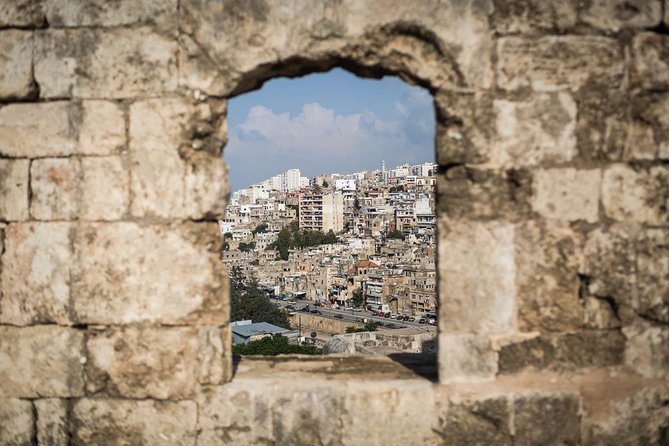
The strongest praise centers on Dave, not on transport or any single monument. He is described as outgoing, funny, patient, attentive, and passionate about Lebanon. Several accounts also point to his ability to discuss ordinary life instead of reciting only dates and formal facts.
That difference matters on a tour of Tripoli. The city’s history is complicated, and a short visit can easily become a blur of names and centuries. A guide who can use clear analogies and connect the past with current life helps you understand what you are seeing.
Dave is also described as fluent in English. French-speaking visitors may find the experience comfortable as well, since some feedback was written in French, though the provided information does not formally list language options.
The guide appears willing to adjust when possible. One booking included a request for an additional attraction, and the guide was able to make it happen. That is encouraging, but you should ask in advance rather than assume every request can fit into a 6 to 7 hour schedule.
One unusual detail from the feedback is that Dave is a musician and sang during the drive back to Beirut. Do not book the tour solely expecting a musical performance, since it is not listed as a formal feature. Still, it hints at the personal style that has made the guide memorable to many people.
Transport, timing, and the real value of $113.34
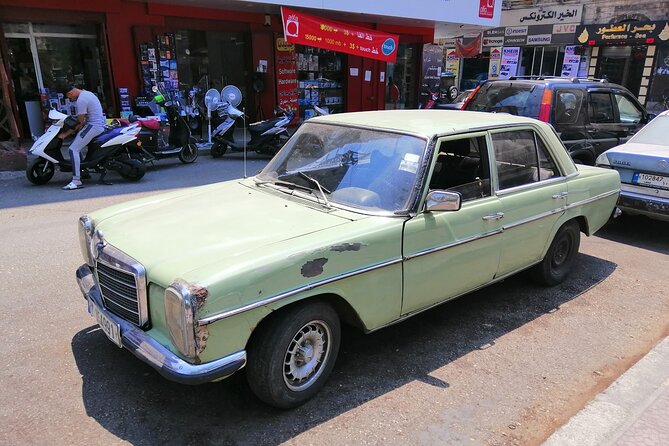
At $113.34 per person, the tour is not the cheapest way to see northern Lebanon. Its value comes from the amount of coordination included: hotel pickup and drop-off, fuel surcharge, local taxes, a driver-guide, entrance to the citadel, and a full day moving between Beirut, Batroun, and Tripoli.
Driving independently would mean arranging a vehicle, navigating unfamiliar roads, finding parking, and working out the order of stops. You would also lose the guide’s explanations during the drive. Several strong accounts specifically praise the conversations on the way to and from Tripoli, including history, daily life, and personal experiences.
The price makes more sense if you are staying in Beirut and want a single organized day without handling transport yourself. It becomes better value with a small group discount, though the exact discount is not provided.
The tour begins at 9:00 a.m. and averages 6 to 7 hours. Pickup timing may vary by hotel, so keep the morning open rather than scheduling a fixed appointment too soon after the expected return.
Lunch is not included. Plan for that cost separately, and ask the operator how much time is available for a meal if you want something more substantial than the sweets stop.
The activity requires a minimum number of people to operate. At the same time, one account describes the guide proceeding even after other bookings cancelled, leaving one person with a private day. That suggests some flexibility, but it is not a guarantee. Confirmation is normally issued at booking, except when booking within 12 hours of departure, when confirmation depends on availability.
Who will enjoy this tour most
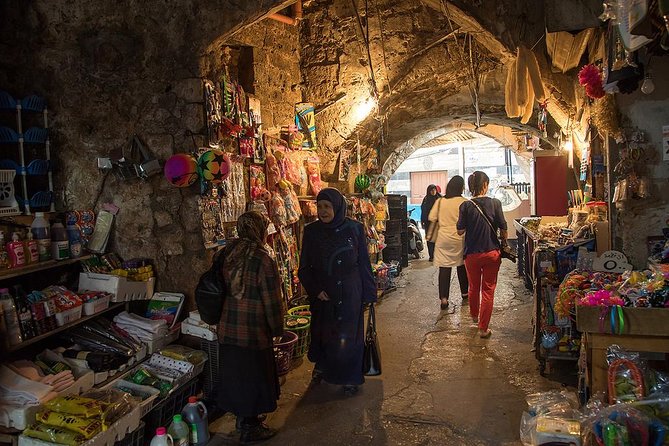
I would recommend this day to you if you want history explained in plain language, prefer local streets to polished sightseeing zones, and have only one day available for northern Lebanon.
It suits solo visitors particularly well because hotel pickup, a driver-guide, and a limited group can remove some of the uncertainty of exploring alone. One solo woman specifically described the tour as professional and comfortable, with pleasant transportation.
It is also a good match for people who enjoy food as part of cultural sightseeing. The Hallab visit is not an afterthought. It is one of the main reasons to choose this route.
You should think twice if your priority is a slow coastal day in Batroun. The town receives only about 45 minutes in the planned schedule. Likewise, visitors who dislike walking, uneven historic sites, or warm weather may find Tripoli tiring.
The tour is not ideal if you want a long, quiet lunch, extensive museum time, or a carefully paced visit to every corner of both cities. Its strength is contrast and coverage, not leisurely depth at one location.
Practical tips for a smoother day
- Wear comfortable shoes suitable for old streets and fortress surfaces.
- Carry water and sun protection, especially during warm weather.
- Dress smart casual, as requested for the activity.
- Keep breakfast moderate and leave room for Lebanese sweets.
- Budget separately for lunch and any pastry purchases.
- Tell the operator about any specific attraction request before departure.
- If you are booking within 12 hours, wait for confirmation before relying on the tour.
- The free cancellation policy allows a full refund when you cancel at least 24 hours before the 9:00 a.m. start. Cancellations or changes within 24 hours are not refunded or accepted.
FAQ
Where does the tour start?
The tour starts with hotel pickup in Beirut at approximately 9:00 a.m. Hotel drop-off is also included.
How long does the experience last?
The tour lasts approximately 6 to 7 hours.
What cities does the tour visit?
The experience visits Batroun and Tripoli in northern Lebanon.
Is the Phoenician Wall included?
Yes. The tour includes a visit of about 45 minutes to Batroun’s Phoenician Wall, and no admission fee is listed for this stop.
Is entry to Citadel Saint Gilles included?
Yes. Admission to Citadel Saint Gilles is included in the tour price.
Is lunch included?
No. Lunch is not included.
How many people can join the tour?
The activity has a maximum of 15 people and also requires a minimum number of guests to operate.
Can I cancel for a full refund?
Yes. You can receive a full refund if you cancel at least 24 hours before the experience begins. Cancellations or changes made within 24 hours are not refunded or accepted.
Should you book the Tripoli and Batroun tour?
Book it if you want a well-organized north Lebanon day with strong historical context, a working old city, a major fortress, and a memorable food stop. The guide is the main asset, and Dave’s clear English, humor, flexibility, and affection for Lebanon can turn a packed schedule into a meaningful one.
The decision is less certain if Batroun is your main goal or if you need a slow pace. In that case, choose a longer Batroun visit separately. For most visitors based in Beirut, though, this tour offers a practical way to see a side of Lebanon that feels very different from the capital, without giving up the comfort of hotel transport and local guidance.
More City Tours in Beirut
- City Sightseeing Beirut Hop-On Hop-Off Bus Tour
★ 4.5 · 87 reviews - Private Baalbek City Tour
★ 5.0 · 14 reviews - PRIVATE tour to Jeita Grottos, Harissa Shrine & Byblos City
★ 5.0 · 12 reviews - Private Beirut City Tour with Boat Ride at Raouche Rock
★ 4.5 · 10 reviews
Just added around Beirut
- Private Full-Day Tour to Jeita Grotto, Harissa and Saint Charbel from Beirut★ 5.0 · 3 reviews
- Beirut to Jeita Grotto and Byblos: Daily Tours with Lunch★ 5.0 · 3 reviews
- PRIVATE city tour of Old Sidon & Historic Tyre★ 5.0 · 3 reviews
- Journey Through Time: Half-Day Private Tour to Baalbek★ 5.0 · 3 reviews
- Small-Group Tour to Sidon, Tyre and Maghdouche with Lunch and Tickets★ 4.5 · 3 reviews
- Beirut to Sidon, Tyre and Maghdouché: Daily Tours with Lunch★ 5.0 · 3 reviews
- Hike Chouwen★ 5.0 · 3 reviews
- Private Full-Day Tour to Byblos and Tripoli from Beirut★ 5.0 · 3 reviews
Tripoli & Batroun Tours, compared.

Guided Small-Group Tour to Tripoli and Batroun with Lunch
Read our review →
Full day Tripoli private great guide/all-in + rustic meal
Read our review →
Private Full-Day Tour to Byblos and Tripoli from Beirut
Read our review →Browse the lists this tour appears in