
Review · WINE TOURS
Lebanon Wine Tasting Tour From Beirut
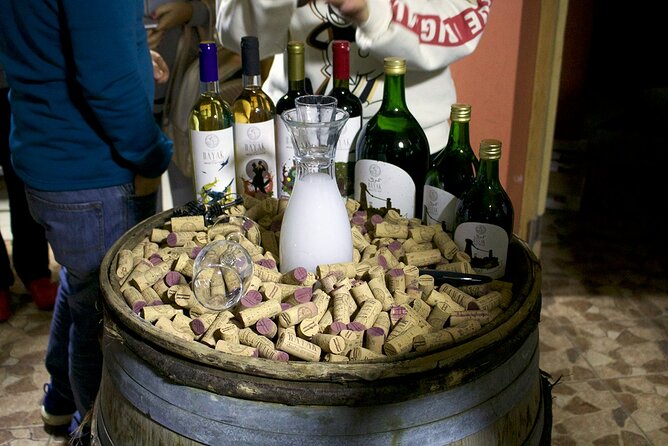
Lebanon’s wine country makes a fine day trip. This 8-hour outing takes you from Beirut to three Bekaa Valley wineries, with tastings of red, white, and rosé wines, round-trip transport, and a stop in Zahle for lunch. I like the three-winery route because it gives you more than one view of Lebanese wine, and I like the small-group format, which can feel personal when numbers are low.
The main drawback is that the guide’s role may vary. Some guests had guides such as Robin who explained Lebanese history and wine in detail, while one unhappy guest felt the day was mainly a taxi transfer between wineries. The advertised group size also needs a close look: the highlights say up to 10 people, while the additional information allows as many as 15.
In This Review
- Key points at a glance
- Why the Bekaa Valley makes this trip worthwhile
- Chateau Heritage and the Touma family story
- Chateau Ksara, Lebanon’s oldest winery
- Zahle for lunch and a pause between wineries
- Chateau Rayak and the longest winery visit
- The guide can shape the whole experience
- Group size, timing, and comfort
- What $91.03 buys you
- Who should book this wine day?
- Should you book the Lebanon wine tour?
- FAQ
- How long does the Lebanon wine tasting tour last?
- Where does the tour start?
- How many wineries does the tour visit?
- Are wine tastings included?
- Is admission to the wineries included?
- Is lunch included in the price?
- What is the tour group limit?
- Is transportation provided?
- Can most people participate?
- Can I cancel or change the booking?
Key points at a glance
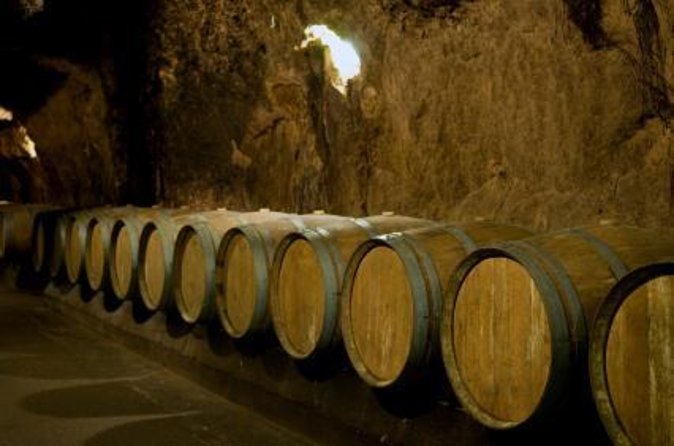
- Three wineries in one day: Visit Chateau Heritage, Chateau Ksara, and Chateau Rayak, each with a different story and approach to wine.
- Bekaa Valley setting: Leave Beirut behind and spend the day in Lebanon’s best-known wine-producing region.
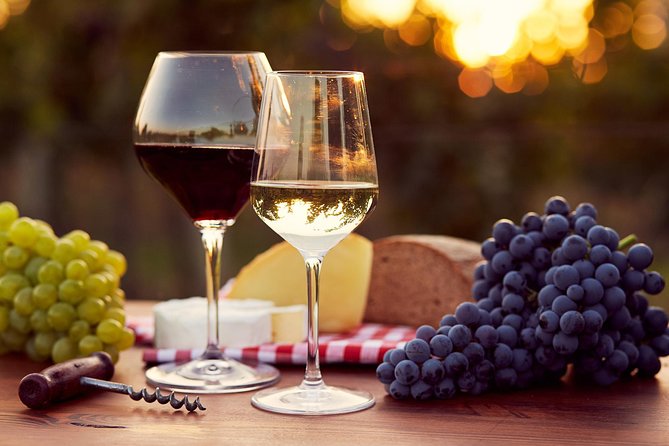
- Included tastings: Sample red, white, and rosé wines, with arak also part of the story at some stops.
- Hotel pickup and drop-off: A climate-controlled vehicle removes the need to arrange your own transport from Beirut.
- Guide quality matters: Robin received especially warm praise for his humor, local insight, and explanations of the valley.
- Good price for a full day: At $91.03 per person, the value is strongest when transport, tastings, and a small group all come together.
Why the Bekaa Valley makes this trip worthwhile
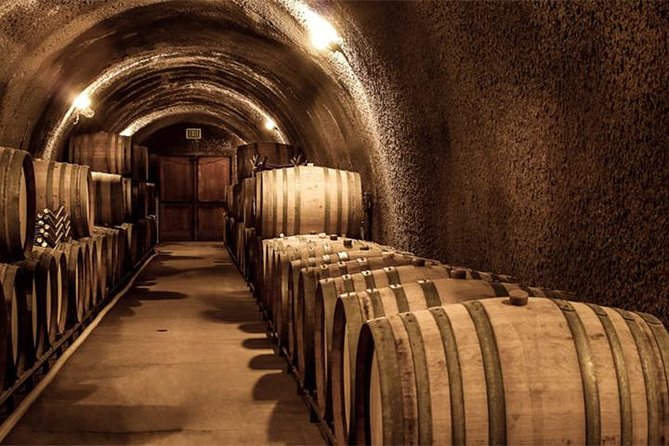
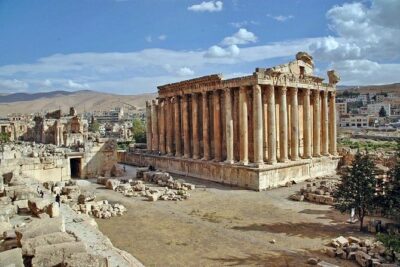
Lebanon has an unusually long connection with wine. The tour places that story in the Bekaa Valley, an area linked with ancient religious, Roman, Phoenician, and agricultural traditions. The introduction at Chateau Heritage connects wine production with figures such as Noah, Naboth, Christ, and St. Paul, along with the Roman Temple at Baalbeck.
Some of the claims about ancient grape varieties moving west through Phoenician trade are presented as theories, not settled fact. That is worth keeping in mind. Still, the subject gives the tastings a useful frame: you are not simply sampling imported labels in a hotel bar. You are visiting wineries in a country that treats wine and arak as part of its own identity.
The day begins at 9:00 a.m. in Beirut and ends back at the meeting point after about eight hours. With pickup available and a climate-controlled vehicle provided, you can spend the long road journey looking out at the country rather than worrying about directions or driving after tastings.
That transport is a major part of the value. Beirut and the Bekaa Valley are not next door, and organizing three winery visits independently would take time, planning, and a sober driver. At $91.03, the tour is reasonably priced if all three winery visits operate as planned and your guide adds real interpretation along the way.
More Wine Tours in Beirut:
- Guided Small-Group Tour to Baalbek, Anjar and Ksara with Lunch
★ 5.0 · 511 reviews - Anjar, Baalbek & Ksara Day Trip – With Lunch (4G on Board)
★ 4.5 · 181 reviews - Baalbek – Anjar – Ksara Trip From Beirut
★ 4.5 · 80 reviews
Chateau Heritage and the Touma family story
The first stop, Chateau Heritage, introduces the family side of Lebanese wine. In 1888, the Touma family established one of Lebanon’s first wineries and distilleries in Kab Elias, a town in the Bekaa Valley. The family produced both wine and Arak Touma, linking the winery to Lebanon’s national anise-flavored spirit.
The visit lasts about an hour, and admission is included. You can expect the focus to be on the winery’s origins, the Touma family, and the relationship between wine and arak in Lebanese drinking culture.
This stop should appeal to you if you prefer a personal story over a purely technical tasting. A family winery gives the day a human scale, especially after the broad opening discussion about Phoenicians and ancient wine production.
The supplied details do not specify the exact number of wines poured at Chateau Heritage, the tasting format, or whether food is served there. I would treat it as an introductory winery visit rather than assume a full meal or an extended cellar tour. The important point is that the tasting is included and the stop gives you a first look at local production before the larger Chateau Ksara visit.
Chateau Ksara, Lebanon’s oldest winery
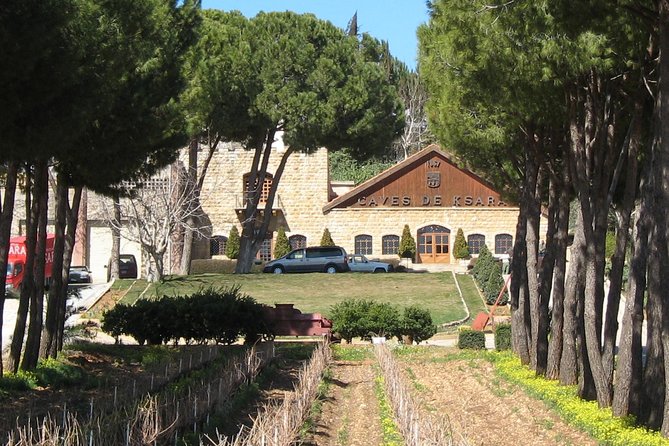
Chateau Ksara is the best-known historical stop on the route. Its story begins in 1857, when Jesuit fathers inherited and farmed a 25-hectare plot. They produced what is described as Lebanon’s first non-sweet red wine, helping establish the modern wine industry.
The name Ksara comes from the Arabic word for fortress, linked to the site’s use as a fortress during the Crusades. Today, the winery produces a broad selection: red wines, sweet wines, dry whites, rosés, and arak.
That range makes Chateau Ksara a useful stop for beginners. You can compare several styles in one place instead of assuming Lebanese wine means only heavy reds. If you prefer white or rosé, you are not left watching everyone else taste the same type of glass.
The visit lasts about an hour, with admission included. It is also the stop most likely to interest anyone who wants a clear connection between Lebanon’s past and its present wine business. The winery’s age gives the visit historical weight, while the range of current products keeps it from feeling like a museum presentation.
There is one practical limitation: the supplied information does not say which specific labels you will taste or how many pours are included. Wine selection may depend on the winery’s operating schedule and stock on the day. If you have a strong preference for dry whites, rosés, or arak, ask your guide what is being offered before the tasting begins.
Zahle for lunch and a pause between wineries
After Chateau Ksara, the tour stops in Zahle for one hour at a local restaurant. This is described as a lunch stop, but the meal itself is not stated as included in the tour price. Plan your budget accordingly and confirm the arrangement with the provider if the cost matters to you.
Zahle breaks up the winery visits at a sensible point. Three tastings in a row could turn into a blur, especially if you are more interested in flavors and stories than in simply collecting glasses. A one-hour pause gives you time to eat, reset, and talk with the guide about the valley.
The stop is also useful for the rhythm of the day. Chateau Heritage and Chateau Ksara each receive about an hour, while the final visit at Chateau Rayak lasts two hours. Zahle helps prevent the final winery from arriving when you are already tired and distracted.
You should not expect a detailed Zahle sightseeing tour based on the information provided. This is a restaurant stop, not a separate guided city visit. If your priority is wine, that keeps the day focused. If you want a broader cultural tour of Zahle, you may find the hour too short.
More Food Experiences in Beirut:
- PRIVATE Wine Tasting Tour to the Bekaa Valey Fabulous Wineries
★ 5.0 · 7 reviews - Full-Day Private Wine Tasting Tour
★ 5.0 · 6 reviews - Wine Tasting and Culture
★ 5.0 · 3 reviews - Beirut Street Food Tour, Lebanon
★ 5.0 · 3 reviews
Chateau Rayak and the longest winery visit
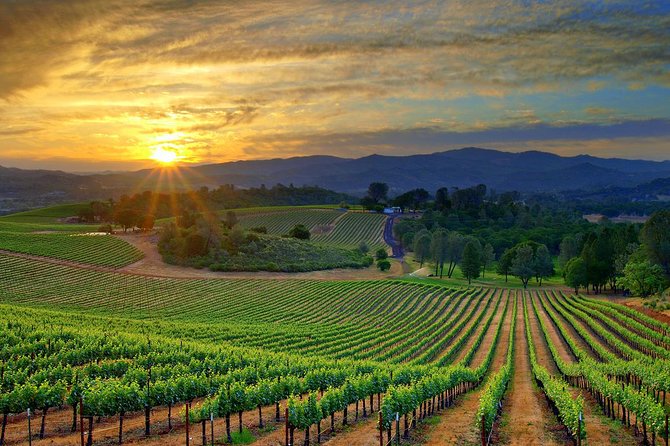
The final winery, Chateau Rayak, receives two hours, making it the most substantial visit of the day. The family behind the winery combines traditional methods with modern technology to produce wines from grapes grown in the Bekaa Valley.
That combination gives you a useful closing perspective. Chateau Heritage presents a family beginning in the late nineteenth century, and Chateau Ksara offers the country’s oldest winery story and a wide commercial range. Chateau Rayak then focuses on how a family winery can preserve traditional methods while using current production tools.
The longer visit is one of the strongest features of the route. It allows more time for explanation, tasting, and questions than the one-hour stops. One positive account specifically singled out the third winery as the best part of the day, so I would save some attention for this final stop rather than treating it as an afterthought.
The information does not specify the exact wines, the number of samples, or the technical details of the production process. You may find that the experience is more about the family’s methods and the wines themselves than a formal lesson in viticulture. That can work well if you want a relaxed introduction, but less well if you expect a specialist wine course.
The guide can shape the whole experience
The most important variable here is the person in the front seat. Robin was praised for his explanations of the Bekaa Valley, Lebanese history, and local wine, along with a good sense of humor. That kind of guiding can turn a transfer into a proper day out, especially on the longer road sections.
One account also described a change of driver after the organizer’s car broke down. The replacement guide was still considered excellent, which suggests that a change in vehicle or guide does not automatically ruin the day. Even so, it shows why you should keep expectations realistic: transport arrangements can change.
The negative experience raises a fair concern. One guest expected a guided wine tour but felt the service was mainly a taxi transfer between wineries, without enough explanation. That difference often comes down to communication. At the start, tell your guide that you want information about Lebanese wine, the Bekaa Valley, and each winery. Ask questions as you go rather than waiting for a formal lecture.
The tour is not presented as a private sommelier course. It is a small-group excursion with transport, tastings, and winery visits. If you want detailed tasting notes, vineyard science, and extended cellar access, check what the guide can provide before you set out.
Group size, timing, and comfort
The tour advertises a small group, with the main highlights giving a limit of 10 people. The additional information lists a maximum of 15. That is a meaningful difference. A group of two can feel almost private, as one experience did, while a group of 15 will have a different pace and less room for individual questions.
The day lasts about eight hours, beginning at 9:00 a.m. The route includes approximately one hour at Chateau Heritage, one hour at Chateau Ksara, one hour for lunch in Zahle, and two hours at Chateau Rayak. The remaining time is used for travel between Beirut and the Bekaa Valley and between stops.
A climate-controlled vehicle matters in Lebanon’s warmer months and on a full-day route. Hotel pickup and drop-off also make the day easier, particularly if you are staying in Beirut and do not want to arrange a separate car service.
The mobile ticket is convenient, and confirmation is provided at booking. Most people can participate, according to the tour information. The exact pickup procedure is not described, so you should check where and when the vehicle will meet you if hotel pickup is important.
What $91.03 buys you
At $91.03 per person, this is not the cheapest way to taste wine, but it is a strong value for a full day outside Beirut. The price includes the organized route, round-trip transport, admission to three wineries, and included wine tastings. Group discounts may improve the cost for several people traveling together.
The value depends on what you want from the day. If you mainly want to reach the Bekaa Valley without driving, taste local wine, and see several producers, the price makes sense. If you are paying for an expert guide and expect detailed commentary at every stop, the quality of the guide becomes central.
Lunch requires special attention. The route includes a stop at a local restaurant, but the information does not say that the meal is included. Do not assume your $91.03 covers food. Ask before departure if you want a firm budget.
The price also looks better when compared with arranging private transport and three winery appointments yourself. You would need to coordinate timing, transport, and tastings, and you would still need a driver. This tour places those pieces together in one day.
Who should book this wine day?
I would recommend it to you if you are curious about Lebanese wine but do not know where to begin. The route offers three producers, several wine styles, a local arak connection, and enough history to give the glasses some context.
It also suits couples and small groups who want a relaxed day outside Beirut. A group of two or a few friends may get especially good value if the vehicle is not full. Guests who enjoy local stories, family businesses, and a flexible guide will likely get more from the experience than those seeking a formal professional tasting.
You should think twice if your priority is strict luxury or advanced wine education. The guide may be excellent, but the service can also feel more like transport with winery stops if the commentary is limited. The group-size difference between 10 and 15 is another reason to clarify expectations before paying.
The experience is non-refundable and cannot be changed for any reason. Because of that firm policy, check the date, pickup details, lunch arrangement, and expected group size before booking.
Should you book the Lebanon wine tour?
Book this tour if you want an easy, good-value introduction to the Bekaa Valley and are comfortable with a relaxed, guide-dependent format. The three-winery plan is well judged, Chateau Ksara supplies the major historical anchor, and Chateau Rayak gives the day a longer final visit.
I would book with one request: confirm that your guide will explain the wines and the region, not just drive between stops. If you receive the kind of service Robin provided, the day can become one of the most memorable ways to connect Lebanese history, food, spirits, and wine. If you need a highly structured tasting seminar, arrange that expectation first.
FAQ
How long does the Lebanon wine tasting tour last?
The tour lasts approximately eight hours, beginning at 9:00 a.m. and ending back at the meeting point in Beirut.
Where does the tour start?
The tour starts in Beirut, Lebanon. Pickup is offered, including hotel pickup according to the tour details.
How many wineries does the tour visit?
The route visits three wineries: Chateau Heritage, Chateau Ksara, and Chateau Rayak.
Are wine tastings included?
Yes. Included tastings feature local red, white, and rosé wines. Chateau Ksara also produces sweet wine, dry white wine, and arak.
Is admission to the wineries included?
Admission is included at Chateau Heritage, Chateau Ksara, and Chateau Rayak.
Is lunch included in the price?
The tour includes a one-hour lunch stop at a local restaurant in Zahle, but the supplied information does not state that the meal itself is included.
What is the tour group limit?
The highlights describe a group limited to 10 people for more personal service. The additional tour information gives a maximum of 15 people, so confirm the expected group size when booking.
Is transportation provided?
Yes. Round-trip transportation from Beirut is provided in a climate-controlled vehicle, with drop-off back at the meeting point.
Can most people participate?
The tour information says most people can participate. No further specific participation restrictions are provided.
Can I cancel or change the booking?
No. The experience is non-refundable and cannot be changed for any reason after booking.
Just added around Beirut
- Private Full-Day Tour to Jeita Grotto, Harissa and Saint Charbel from Beirut★ 5.0 · 3 reviews
- Beirut to Jeita Grotto and Byblos: Daily Tours with Lunch★ 5.0 · 3 reviews
- PRIVATE city tour of Old Sidon & Historic Tyre★ 5.0 · 3 reviews
- Journey Through Time: Half-Day Private Tour to Baalbek★ 5.0 · 3 reviews
- Small-Group Tour to Sidon, Tyre and Maghdouche with Lunch and Tickets★ 4.5 · 3 reviews
- Beirut to Sidon, Tyre and Maghdouché: Daily Tours with Lunch★ 5.0 · 3 reviews
- Hike Chouwen★ 5.0 · 3 reviews
- Private Full-Day Tour to Byblos and Tripoli from Beirut★ 5.0 · 3 reviews
Wine Tours, compared.
Guided Small-Group Tour to Baalbek, Anjar and Ksara with Lunch
Read our review →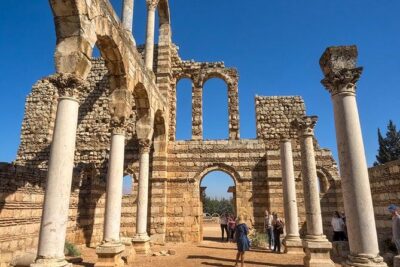
Anjar, Baalbek & Ksara Day Trip – With Lunch (4G on Board)
Read our review →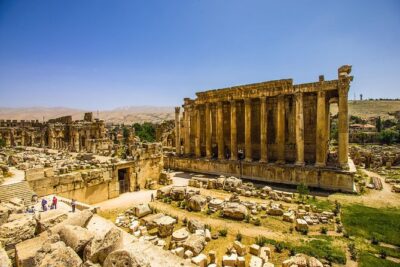
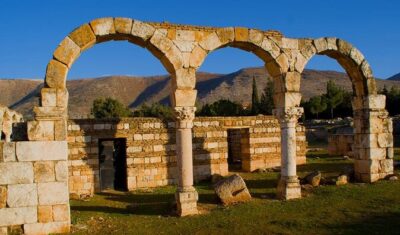
Guided Private Full Day Tour to Baalbek, Anjar and Chateau Ksara
Read our review →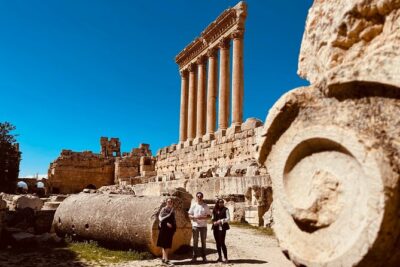
Lebanon tour Baalbek ruins & Ksara w/pick-up, lunch,guide+entries
Read our review →
Baalbek Temples & Ksara Caves w/pick-up,guide, entries+lunch
Read our review →
Small Group Tours to Baalbek, Anjar & Chateau Ksara with lunch and Tickets
Read our review →
Private Tour: Anjar, Baalbek and Ksara Day Trip from Beirut
Read our review →Browse the lists this tour appears in