
Review · SIDON & TYRE DAY TRIPS
Small-Group Adventure Tour to Sidon Tyre & Maghdouche-Day Trip
Ancient coast, busy souks, and Roman ruins await. This nine-hour trip from Beirut packs Sidon, Tyre, and Maghdoucheh into one well-planned day, with hotel pickup, an air-conditioned vehicle, bottled water, and a small group capped at 15 people. I especially like the mix of living city streets and major archaeological sites, plus the chance to see both Islamic and Christian landmarks. The main caution is that the experience can feel more like transportation with sightseeing than a fully guided tour, depending on the driver.
The $65 price is fair for the distance covered, particularly because pickup and drop-off are included. I also like the generous range of stops, from Sidon’s working souks to Tyre’s vast Roman ruins. Just confirm what entrance fees are covered before you go, since the details are not fully consistent.
In This Review
- Key points to know before booking
- Why this Beirut day trip works
- Sidon Sea Castle and the old waterfront
- Sidon Souks, Ottoman buildings, and soap making
- The Great al-Omari Mosque and Khan El Franj
- Maghdoucheh and Our Lady of Mantara
- Tyre harbor, streets, and two-sided coast
- Tyre’s Roman hippodrome and Al-Bass ruins
- Timing, comfort, and the lunch question
- Safety, driving, and who will enjoy it
- Should you book this Sidon, Tyre, and Maghdoucheh tour?
- FAQ
- Where does the tour begin?
- What time does pickup start?
- How long does the experience last?
- What places does the tour visit?
- Is lunch included?
- Are entrance fees included?
- What is included in the price?
- How large is the group?
- Can I cancel for a full refund?
Key points to know before booking
- Sidon’s souks are a highlight: Old vaulted lanes, small craft shops, fishermen, coffee houses, and Ottoman-era buildings give this stop a lived-in feel.
- Tyre brings the biggest ancient sights: The Roman hippodrome, triumphal arch, aqueduct, and old harbor make this the archaeological heart of the day.
- Maghdoucheh adds a religious landmark: Our Lady of Mantara combines a Marian shrine, cathedral, tower, cemetery, and sacred cave.
- The guide experience can vary: Some drivers, especially Harake, have been praised for warmth, local knowledge, and useful explanations. Others have offered little beyond transport.
- The pace is full but sensible: About nine hours allows a broad look at southern Lebanon, though no stop is long enough for a slow, detailed study.
- Budget extra for lunch and possibly admissions: Lunch is not included, and several attractions are listed with entrance fees not included.
Why this Beirut day trip works
From Beirut, southern Lebanon is easiest to see with a vehicle. Sidon and Tyre are not next-door stops, and adding Maghdoucheh means you cover a wide stretch of the coast and nearby hills in one outing. Public transport could get you between the main towns, but it would take more planning and leave less time for the sites.
The tour begins with hotel pickup in Beirut in the morning. The information gives both 8:15 and 8:30 as the start time, so I would confirm the exact pickup hour with the operator. That small check matters when several hotel pickups are involved.
The vehicle is climate-controlled, and bottled water is provided. Several people have appreciated thoughtful touches from drivers, including coffee, local bread, and sweets for children. Those extras are not formally promised, so treat them as a pleasant possibility rather than part of the package.
The group limit is 15. In practice, some departures have been much smaller, including one group of five and at least one private departure created because only one person booked. A small group can make hotel pickup and sightseeing easier, but a low-season solo booking may not feel like the social group tour you expected.
More Sidon and Tyre day trips:
- Sidon, Tyre & Maghdouche Day Trip – With Lunch (4G on Board)
★ 4.5 · 44 reviews - Guided Small-Group Tour to Sidon, Tyre & Maghdouche with Lunch
★ 5.0 · 41 reviews - Sidon – Tyre – Maghdouche Trip, From Beirut
★ 5.0 · 25 reviews
Sidon Sea Castle and the old waterfront
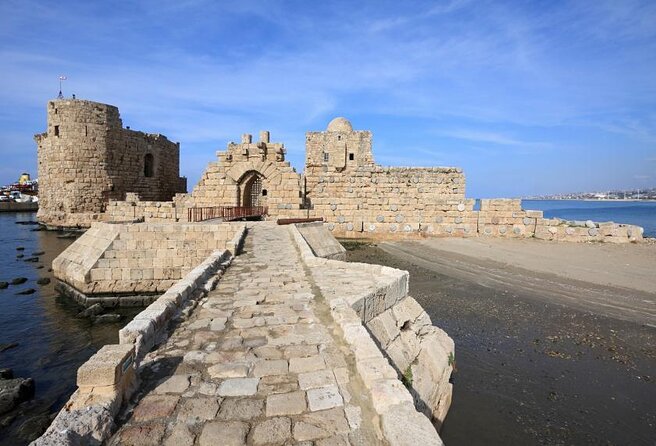
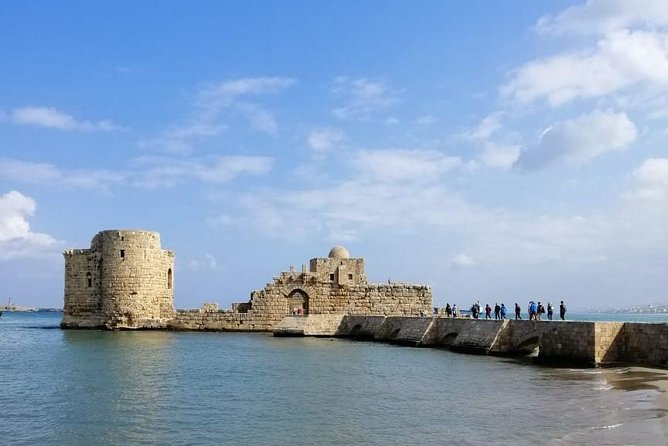
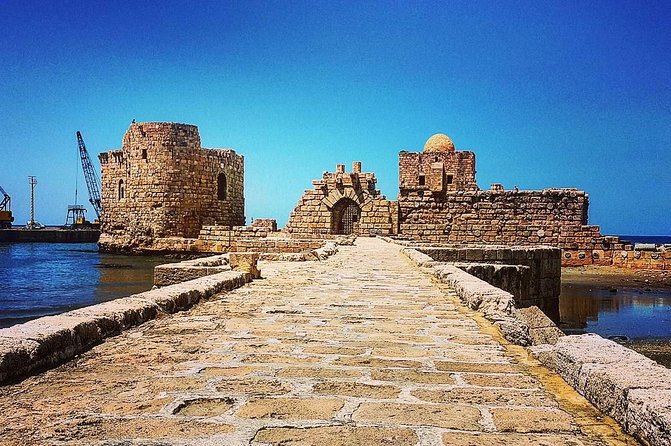
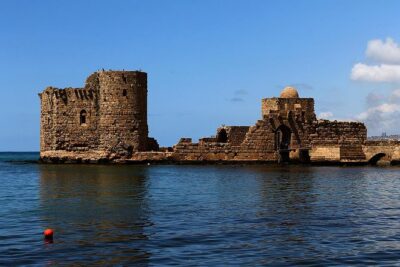
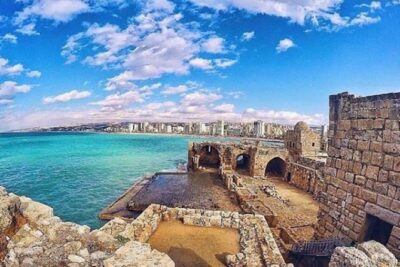
Sidon begins with the Crusaders Sea Castle, a fortress sitting beside the water. The setting is the point: you get views back toward the old city, the port, and the coast, while the stone structure gives an immediate sense of Sidon’s long military and commercial role.
You have about 45 minutes here. That is enough to walk around, take photographs, and hear a short explanation, but it is not a long archaeological visit. The listed admission is not included, so ask your guide about the current entrance cost before you arrive.
Sidon has been inhabited since around 4000 B.C., and the castle is only one layer of that story. The most useful part of the stop is the contrast between the old fortification and the ordinary waterfront activity around it. Boats, port life, and the nearby markets keep this from feeling like an isolated monument.
One important point: the quality of interpretation may depend heavily on your driver. Some drivers have given clear background on the castle and answered questions well. At least one person found the site was simply pointed out, with no real explanation. If history matters to you, ask at the start of the day how much guiding will take place inside each site.
Sidon Souks, Ottoman buildings, and soap making
For me, the souks are the most distinctive part of Sidon. Between the Sea Castle and the inland St. Louis Castle, vaulted lanes form an old market district that still serves a commercial purpose. The passageways can feel maze-like, and that is part of their charm.
The itinerary allows about an hour. You may see small craft workshops, repair work, food stalls, and the port market where fishermen sell their catch. A traditional coffee house offers another glimpse of local routine, with Turkish coffee and nargileh traditionally associated with its male clientele.
The El-Shakiriyya market includes Debbaneh Palace, built in 1721. A narrow covered stairway leads to an inner courtyard, and the building retains Ottoman Arab architectural features. This is the kind of stop that rewards attention to doors, staircases, stonework, and daily use rather than a quick photograph from outside.
The souks are also a good place to keep your pace relaxed. You can look at the goods, follow the lanes, and notice how the old buildings still function as part of the city. This is a stronger cultural experience than a polished historical display.
The nearby Soap Museum occupies a former soap factory dating mainly from the 17th century, with parts believed to reach back to the 13th century. In roughly 30 minutes, you learn how olive oil soap was made, see a demonstration, and get an introduction to the region’s hammam traditions.
The museum also displays finds from excavation, including clay pipe heads dating from the 17th to 19th centuries and pottery fragments. It is a compact stop, but it gives useful context to local craft and trade. Admission is listed as not included, so verify the fee.
The Great al-Omari Mosque and Khan El Franj
The Great al-Omari Mosque occupies what was once the Church of St. John of the Hospitalers. Its four walls date to the 13th century, and the fortress-like form is especially striking from the seaside.
You have only about 15 minutes here. That makes this a brief orientation stop, not a full visit. The building has recently been restored, and the short pause works best if you are interested in how Crusader and later religious architecture overlap in the same city.
Khan El Franj is included in the Sidon walk, although no separate time is given for it. Built by Fakhr ed-Dine II for merchants and goods, the khan follows the familiar pattern of a large rectangular courtyard, a central fountain, and covered galleries. It also housed the French consulate and served as a center of trade in the 19th century.
This is a useful place to understand how Sidon functioned as a business town. It was not only a port with old stones. Merchants needed lodging, storage, meeting places, and consular offices, and the khan supplied those needs.
More tours and day trips worth a look
- Anjar, Baalbek & Ksara Day Trip – With Lunch (4G on Board)
★ 4.5 · 181 reviews - Byblos, Jeita Grotto & Harissa Day Trip -With Lunch (4G on Board)
★ 4.5 · 145 reviews - Private Tour: Anjar, Baalbek and Ksara Day Trip from Beirut
★ 5.0 · 20 reviews - Beirut, Beiteddine & DeirElQamar Day Trip-With Lunch(4G on Board)
★ 4.5 · 12 reviews
Maghdoucheh and Our Lady of Mantara
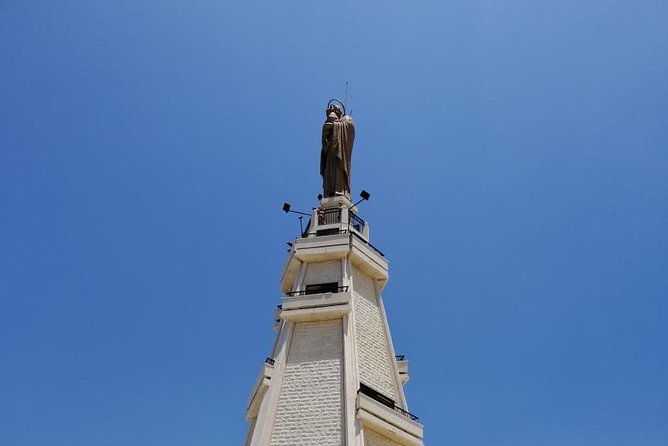
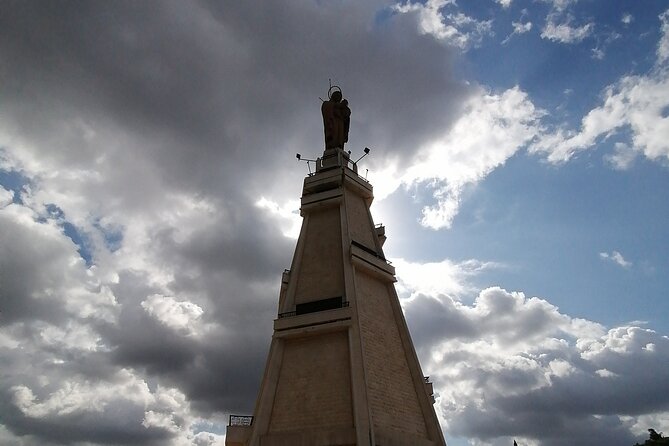
After Sidon, the route heads inland to Maghdoucheh. The Our Lady of Mantara shrine is a Melkite Greek Catholic site built around a sacred cave discovered in 1721.
The shrine complex includes a tower topped by a statue of the Virgin and Child, a cathedral, a cemetery, and the cave where Mary is believed to have rested while waiting for Jesus. The stop lasts about 30 minutes and admission is listed as free.
This is a different kind of visit from the castles and ruins. It gives the day a religious and local dimension, and the hill setting provides a break from the busy lanes of Sidon. You should dress and behave respectfully, particularly near the cathedral and cemetery.
The short timing means you will likely get an overview rather than a quiet, extended visit. Still, Maghdoucheh earns its place because it adds a living place of worship to a day otherwise heavy on ancient monuments.
Tyre harbor, streets, and two-sided coast
Tyre is the grand finish to the historical part of the tour. The city was founded around 2750 B.C., according to Herodotus, and is linked in ancient stories with Europa and Dido, the founder of Carthage.
The first Tyre visit lasts about 45 minutes and covers the old north harbor, colorful streets, and beaches on two sides of the city. This portion is less about a single monument and more about getting a feel for Tyre as a coastal town built around its ancient past.
I like the structure of this stop because it prevents the day from becoming a procession of ruins. You get a look at the harbor and streets before walking through the larger archaeological areas. The sea also gives Tyre a strong visual identity, and one quiet stretch beside the ruins can be especially rewarding.
Do not expect a long beach break. The schedule includes views of the coast, not a dedicated swim or relaxation period. If you want time by the water, you may need to use the free moments between stops.
Tyre’s Roman hippodrome and Al-Bass ruins
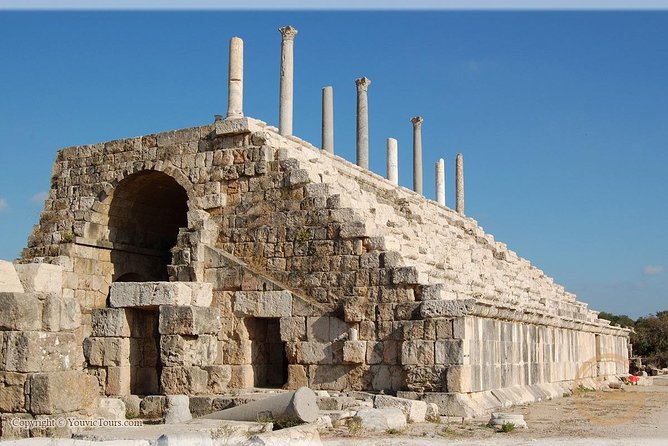
The Roman hippodrome is one of the day’s major sights. Dating to the second century C.E., it is about 480 meters long and 90 meters wide, with a horseshoe shape and seating for roughly 20,000 spectators.
That scale is hard to grasp until you walk through it. Chariot racing was dangerous public entertainment, and the size of the venue shows how important such events were in Roman Tyre. The site is part of the UNESCO-listed archaeological area.
You have around 45 minutes here. That is enough to walk along the main remains and understand the layout, but a site this large can easily use more time. Admission is listed as not included.
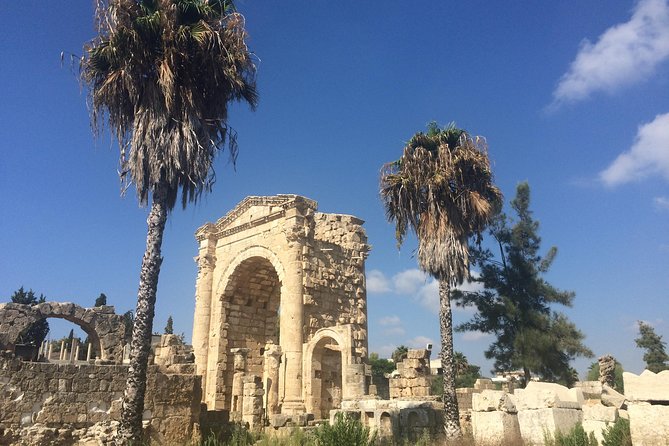
The Al-Bass archaeological site adds a second major area. Here you can see a Byzantine road, a second-century triumphal arch, a Roman road, an aqueduct, and the remains of a large second-century structure. Another 45 minutes gives you a useful introduction, though not a full study of every feature.
This is where a guide makes the greatest difference. Without some explanation, roads and broken walls can blur together. One person specifically advised paying for a guide at the ruins because the remains otherwise made little sense. The experience can still be visually impressive on your own, but the meaning of the site is much clearer with context.
The schedule describes an experienced English-speaking local group leader, yet the actual guiding may be light. Some drivers, including Harake, have been praised for offering history, answering questions, and making the day informative. Other accounts describe a driver who mainly dropped people at the sites. Ask directly for an explanation at the hippodrome and Al-Bass rather than assuming a formal guided walk is guaranteed.
Timing, comfort, and the lunch question
The full route lasts about nine hours, including the drive from Beirut, hotel pickups, and transfers between sites. The schedule is active but not punishing for most people who can manage regular walking over uneven historic surfaces.
The air-conditioned vehicle matters, particularly on a long coastal day. You will spend time riding between Sidon, Maghdoucheh, Tyre, and Beirut, so a comfortable van makes the route more pleasant. Bottled water is included.
Lunch is not included. Some people have enjoyed meals during the day, and one account praised the food, but you should not assume a meal is part of the $65 price. The description has caused confusion on this point, so ask where the lunch stop will be and plan to pay separately.
The entrance-fee information also needs checking. Several stops are marked as admission not included, even though the general highlights refer to included entrance fees. Sidon’s Sea Castle, the Soap Museum, the Roman hippodrome, and Al-Bass are the clearest examples to confirm.
At $65 per person, I consider the tour good value if you want transport, hotel service, water, and a broad route without arranging a car. It is less compelling if you expect a specialist guide at every monument. In that case, additional guide fees could change the final cost.
Safety, driving, and who will enjoy it
The drivers praised most warmly were friendly, punctual, careful, and eager to help. Harake is mentioned repeatedly as a particularly personable guide who offered local context, coffee, water, and help with practical needs. One driver also adjusted parking to reduce walking for a person with a bad leg.
There is one serious caution. A solo older woman reported fast driving, phone use while driving, and an attempt to hide the speedometer. That is not a minor style difference. If you feel unsafe, speak up at once and contact the operator.
The tour suits you best if you want to see several important places in one day and prefer convenience over long, scholarly visits. It is also a good choice for first-time visitors to southern Lebanon who want an overview before deciding where to return.
You may want a different arrangement if you need deep site interpretation, extra time for photography, a slow lunch, or a guaranteed shared group. During low season, the departure may become private, and the guiding standard can vary by driver.
Free cancellation is available until 24 hours before the start time. Changes or cancellations inside that window are not accepted for a refund. Most people can participate, but you should be ready for walking through souks and archaeological sites.
Should you book this Sidon, Tyre, and Maghdoucheh tour?
I would book it for the route, the price, and the chance to see Sidon’s souks and Tyre’s Roman remains without arranging transport yourself. The best version of the day comes with a driver such as Harake, who adds warmth and useful local background.
Before paying, confirm three points: the exact pickup time, which entrance fees are included, and whether your driver will guide you inside the archaeological sites. If those answers are clear, this is a practical and worthwhile southern Lebanon day trip.
If the operator can only promise a ride between monuments, book it as a transport service in your own mind, or arrange a separate guide for Tyre. That simple expectation check can make the difference between a satisfying day and a disappointing one.
FAQ
Where does the tour begin?
The tour begins with pickup from your hotel in Beirut.
What time does pickup start?
The stated start time is 8:30 a.m., while the pickup description gives 8:15 a.m. Confirm the exact time with the operator before departure.
How long does the experience last?
The trip lasts approximately nine hours.
What places does the tour visit?
The route includes Sidon, the Crusaders Sea Castle, Sidon Souks, the Soap Museum, the Great al-Omari Mosque, Khan El Franj, Our Lady of Mantara in Maghdoucheh, Tyre, the Roman Hippodrome, and the Al-Bass archaeological site.
Is lunch included?
No. Lunch is not included in the stated price.
Are entrance fees included?
The information is mixed. Several stops are specifically marked as having admission not included, so confirm the current entrance arrangements before booking.
What is included in the price?
Hotel pickup and drop-off, an air-conditioned vehicle, bottled water, and an English-speaking local group leader are included.
How large is the group?
The maximum group size is 15 people. A departure may be smaller, and during low season it may operate as a private trip if only one person books.
Can I cancel for a full refund?
Yes. You can cancel at least 24 hours before the experience starts for a full refund. Cancellations or changes made less than 24 hours before the start time are not accepted for a refund.
Just added around Beirut
- Private Full-Day Tour to Jeita Grotto, Harissa and Saint Charbel from Beirut★ 5.0 · 3 reviews
- Beirut to Jeita Grotto and Byblos: Daily Tours with Lunch★ 5.0 · 3 reviews
- PRIVATE city tour of Old Sidon & Historic Tyre★ 5.0 · 3 reviews
- Journey Through Time: Half-Day Private Tour to Baalbek★ 5.0 · 3 reviews
- Small-Group Tour to Sidon, Tyre and Maghdouche with Lunch and Tickets★ 4.5 · 3 reviews
- Beirut to Sidon, Tyre and Maghdouché: Daily Tours with Lunch★ 5.0 · 3 reviews
- Hike Chouwen★ 5.0 · 3 reviews
- Private Full-Day Tour to Byblos and Tripoli from Beirut★ 5.0 · 3 reviews
Sidon & Tyre Day Trips, compared.
Sidon, Tyre & Maghdouche Day Trip – With Lunch (4G on Board)
Read our review →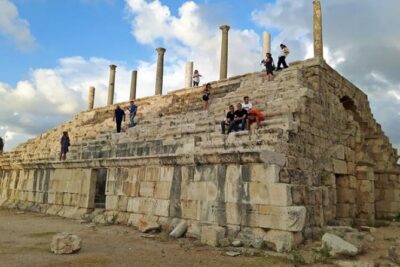
Guided Small-Group Tour to Sidon, Tyre & Maghdouche with Lunch
Read our review →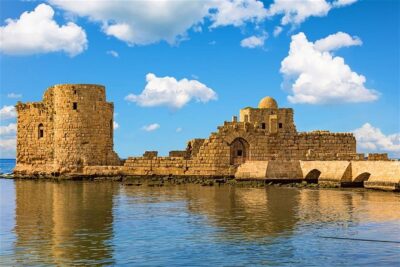
Small Group Tour to Sidon, Tyre & Maghdouche with lunch
Read our review →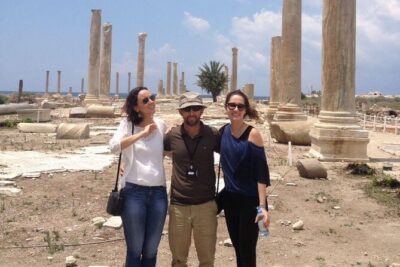
Private Guided Tour to Sidon, Tyre and Maghdouche from Beirut
Read our review →
Lebanon tour Sidon & Tyre ruins with pick-up, guide,lunch+entries
Read our review →
Lebanon Unveiled: Exclusive Private Tours to Sidon & Tyre
Read our review →
Browse the lists this tour appears in